Fethiye eats the way the south-west coast of Turkey eats: lots of vegetables and olive oil, grilled fish and meat, thin flatbreads cooked on a griddle, and long meals shared across a table. It is not a place of famous restaurants so much as a place of good habits, and the best way to eat well is to learn the habits and follow them. This guide is about dishes, places in the town and the valley where food is part of the outing, and etiquette. It does not name individual restaurants, because kitchens and owners change, and it is more useful to know what to look for.
Breakfast
A Turkish breakfast is a spread rather than a plate: white cheese, olives, sliced tomato and cucumber, boiled eggs, jams and honey, fresh bread and endless tea, often with a hot dish such as menemen, scrambled eggs cooked with tomatoes and peppers. Most hotels in Fethiye include a buffet, and several of our hotels, such as Casa Margot and Yacht Classic, include a free breakfast. Muğla province is known for its pine honey, so look for it at breakfast and in the market.
Gözleme and market food
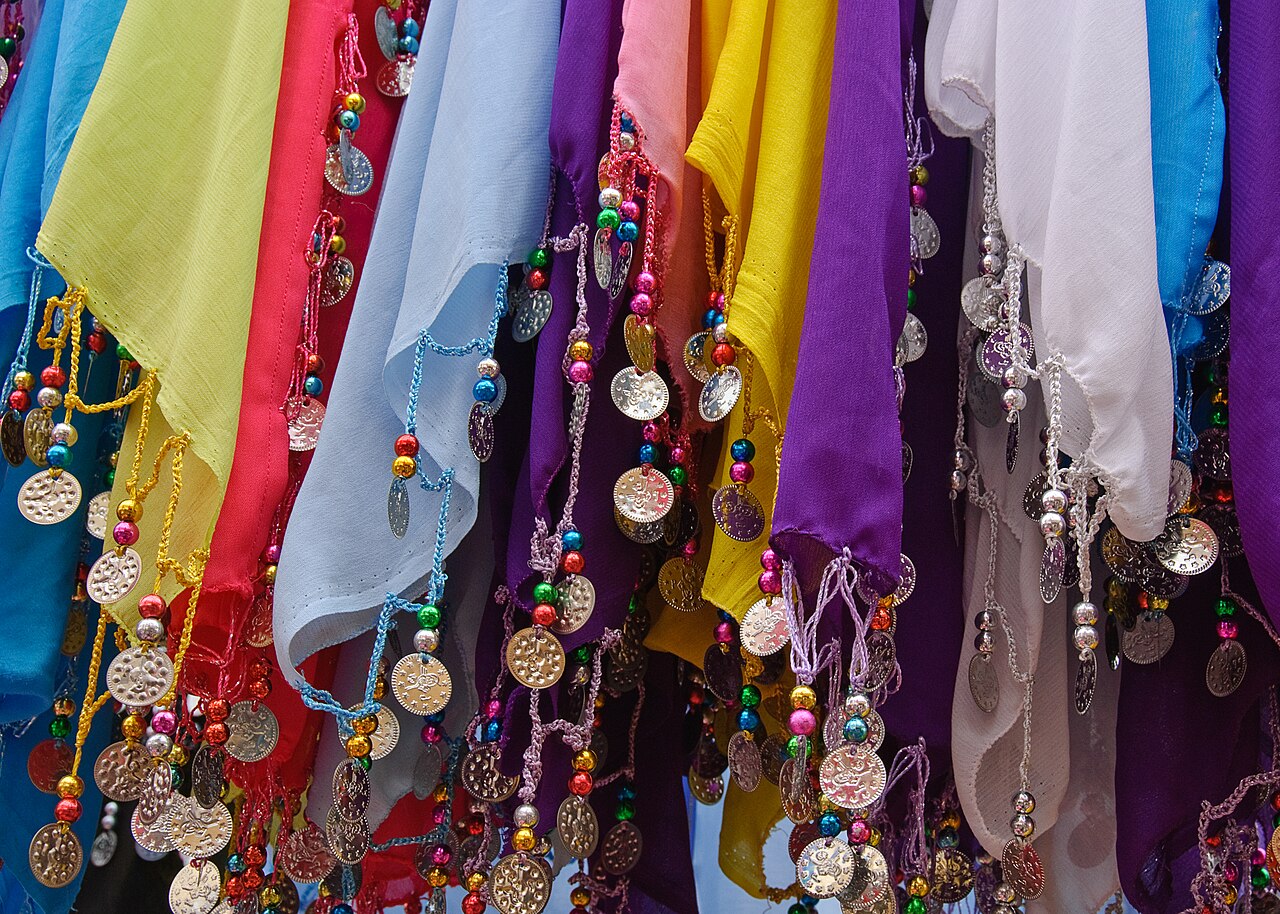
Gözleme is a thin flatbread filled with cheese, spinach or potato and cooked on a convex griddle, usually by a woman rolling the dough by hand. The Fethiye market is one of the best places to eat it, standing or seated at a simple table with tea. The market also sells olives, nuts, dried fruit, spices, cheese and seasonal fruit, and sellers often offer a taste before you buy. Bargaining applies to clothes and souvenirs, not to food. Carry small notes.
Meze, fish and the harbour
The classic dinner is a table of cold meze to share: aubergine and yoghurt dishes, stuffed vine leaves, beans in olive oil, hummus, spicy ezme, and fresh bread, followed by grilled fish or meat. Rakı, the aniseed spirit that turns cloudy when you add water, is the traditional partner, taken slowly and with plenty of water. Near the harbour, a traditional fish market lets you choose fish by weight and carry it to a nearby restaurant, which will cook it and charge a modest service fee, and the restaurants around the old town and the marinas offer the same food in more formal form. Ask about the price per kilogram before you choose, check the weight is shown on the scale, and look at the menu prices for meze and drinks, so that the bill holds no surprise.
Pide, lahmacun and quick meals
For a fast, cheap lunch, a pide, a boat-shaped flatbread with cheese or minced meat, or lahmacun, a thin round of spiced meat on crisp dough, is hard to beat. Squeeze lemon over it, roll it and eat it by hand. Kebab shops and döner places serve a quick plate, and bakeries sell simit, a sesame bread ring, for the road.
The valley and the trout
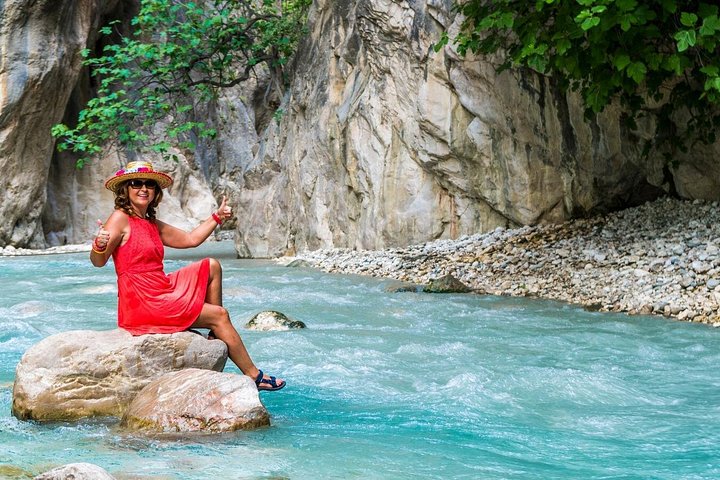
Trout is the speciality of the Xanthos valley, and the restaurants beside the Saklıkent stream serve it grilled whole, often on platforms or tables built over the water. It is a natural lunch after a gorge wade or a Tlos visit and many small-group tours include it. Village stops on inland tours, such as the Üzümlü and Cadianda day, offer homemade jam, honey, olive products and tea.
Learning to cook
If you want to take the food home with you, a cooking class or a village kitchen session is a good rainy-day activity in a town with plenty of fresh produce. Ask about what is included, whether the market is part of it, and whether vegetarian dishes are available.
Drinks and etiquette
Tea, served in small glasses, is constant, and Turkish coffee is strong and served with the grounds. Alcohol is available in restaurants and bars, with beer, wine and rakı, but prices rise in tourist venues. Tap water is not generally drunk, so buy bottled water. In restaurants it is normal to tip by rounding up or leaving around ten percent where service is not included, and in many places you ask for the bill rather than receiving it unasked. Vegetarians do well because meze and vegetable dishes are plentiful, though ask about stock or meat in beans and rice. In Ramadan, some daytime places close or serve discreetly, so plan lunch with that in mind.
Putting it together
For a first day, have a hotel breakfast, a gözleme at the market, a pide for lunch and a meze-and-fish dinner by the marina. On a gorge day, plan trout by the stream. On a Lycian Way day, pack olives, bread, cheese and fruit from the market, and carry water.