Three days is enough to see the best of this coast without rushing, provided you group sights by where they are rather than by how famous they are. The coast splits into three clusters: Fethiye town and its harbour, the Ölüdeniz and Babadağ area about 14 kilometres south, and the Xanthos valley inland, which holds the gorge and the ruins. The plan below gives each cluster a day, with a swap rule for bad weather at the end.
Day one: Fethiye town
Start with the Lycian tombs. The Amyntas rock tomb is carved into the cliff above the town and is visible from much of the harbour, and the climb up to it rewards you with the best view of the bay. Come down through the old town: the Antique Theatre sits beside the entrance to Paspatur, the pedestrian quarter of lanes, shops and cafés, and a slow wander there is free. If it happens to be market day, spend the morning at the Fethiye market instead, with a gözleme for breakfast, and walk the old town in the afternoon. Finish with a stroll along the marina promenade and dinner by the water. This is a light, mostly flat day that suits the day you arrive.
Day two: Ölüdeniz and Babadağ
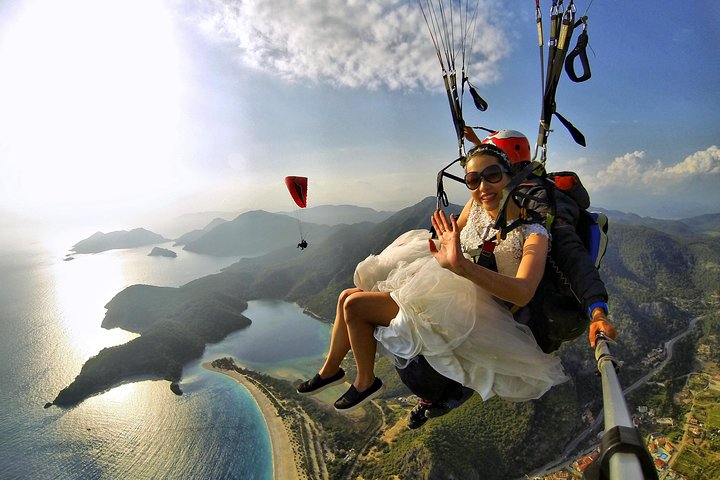
This is the headline day, and it depends on the sky, so do it on the clearest morning you have. If you want to paraglide, book the first flight of the day: the pilots fly from the Babadağ summit and land beside the beach, and mornings tend to be calmer. Spend the middle of the day at the Blue Lagoon, either walking the shoreline paths or swimming in the sheltered water, and have lunch in the village. In the afternoon take the Babadağ cable car for the view back over the lagoon, or walk the first kilometres of the Lycian Way above the coast. If you are visiting between April and October, a boat to Butterfly Valley is a good alternative to the cable car. On the way back to Fethiye, stop at Kayaköy, the abandoned Greek village, which is cool, quiet and atmospheric in the late afternoon.
Day three: the Xanthos valley
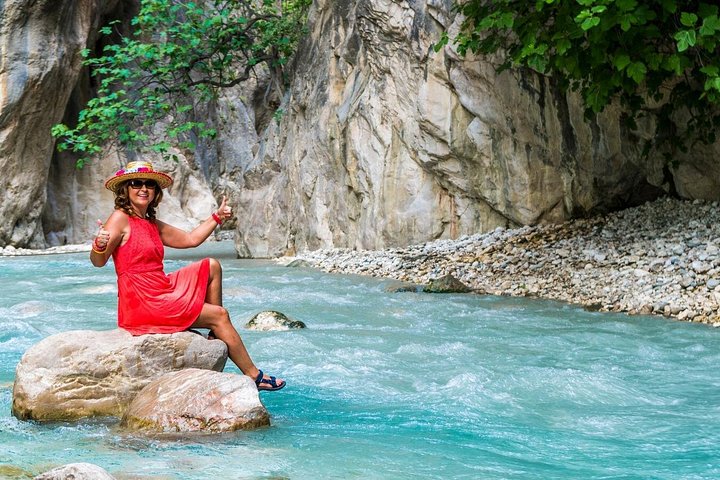
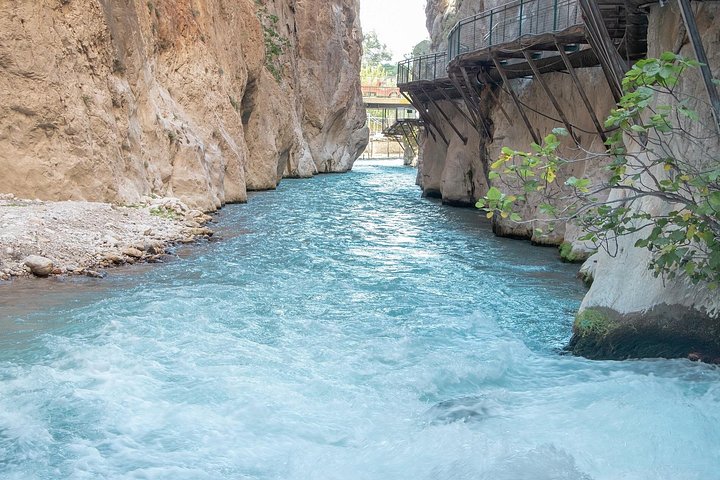
Go inland for Saklıkent Gorge and Tlos. Saklıkent is a narrow canyon with a cold stream, and you can wade as far as the water level allows, so bring water shoes and ask at the entrance how far is safe that day. Tlos is a Lycian hilltop city with rock tombs and a theatre, set above the valley, and it is best seen before the heat. Lunch in the valley is traditionally trout, served beside the stream. You can do this day with a hired car, a small-group tour or a jeep safari. A small group saves the driving, and the jeep safari is the budget version with more play and less depth.
If the weather turns
Wind and rain affect paragliding, boats and the lagoon first. If day two is washed out, swap it with day one or three, and use the wet day for the old town, a Turkish bath or the market. The gorge is less pleasant after heavy rain, when the stream can run high, so a stormy day is better spent in Fethiye or at the hamam, with the gorge saved for a drier morning. Keep one spare half day if you can, especially if paragliding is your priority.
Getting around
Dolmuş minibuses connect Fethiye with Çalış, Ölüdeniz and Kayaköy, and taxis are plentiful, although services thin out in winter. A hire car helps for the valley, but the roads are winding and parking at popular spots can be tight. Many visitors rely on hotel pick-up for tours. Carry cash in Turkish lira for dolmuş fares, small gate fees and markets.
Stretching to four or five days
A fourth day can add a long day trip, such as Dalyan with its river, tombs and turtle beach, or Pamukkale, which is a very early start. A fifth day suits a boat day in season or a relaxed day of hiking. If you have only two days, combine day one and day two by skipping the tomb climb and moving the market to a weekend morning.
Where to stay
For this plan, a base in Fethiye town works best, because the harbour, the old town and the day-trip pick-ups are all close, and Ölüdeniz is an easy outing by taxi or dolmuş. If you travel in summer and want the lagoon on your doorstep, spend the first nights in Ölüdeniz and the last in town.