The Mercato Centrale is where the foodie chip cashes in Florence: the great 1874 iron-and-glass market hall in the San Lorenzo quarter (Giuseppe Mengoni — the Milan Galleria's architect — built it as the new capital's food engine; the cast-iron grandeur alone earns the visit) running the city's two food registers under one roof: the ground floor's working market (mornings into early afternoon — the historic trade floor of butchers, fishmongers, cheese vaults, the porcini-and-truffle stands in season, the baccalà specialists, produce pyramids and the old-guard counters where Florentine grandmothers still shop: Conti's dried-goods theater, the lampredotto-and-trippa stalls serving the city's defining street food — Nerbone, the 1872 institution, draws the boiled-beef-and-tripe pilgrimage lines before noon; order the lampredotto panino bagnato with salsa verde and join a century of regulars), and the upstairs Mercato Centrale food hall (the 2014 reinvention that saved the building — the first floor's artisan stations under the iron vaults: fresh-pasta bars, the bistecca griglia, pizza napoletana's wood ovens, truffle counters, fried-fish cones, Chianti Classico enotecas, pasticceria and gelato tiers, a cooking school and late hours running to midnight — the rare Florence answer for the post-10pm appetite and the no-reservation group dinner). The craft is the two-register strategy: mornings downstairs for the real market (the vendors' rhythm, the sampling culture, picnic assembly for Boboli or the rose garden), any hour upstairs for the food hall (lunch crowds peak 1-to-2; aperitivo hour runs civilized), lampredotto before the stalls sell through, and the San Lorenzo pairing built in — the leather-market stalls wrap the building (haggle knowingly), the Medici Chapels and basilica are two minutes, and the whole quarter composes Florence's market morning. Fit: the foodie chip's headquarters, families (every appetite solved under one roof — the kids' pizza-and-gelato insurance), budget travelers (the city's best eating-per-euro), and first trips learning Florence's stomach before its galleries.
The hall's history tracks the city's
Built when Florence briefly ruled as Italy's capital (the 1865-71 interlude demanded Paris-grade infrastructure — Mengoni's market, the Les-Halles-inspired iron nave, delivered it), it ran a century as the city's belly, declined with supermarket decades, and the 2014 upstairs reinvention (the Umberto Montano project that spawned the Mercato Centrale brand's Rome-Milan-Turin expansion) rebuilt the model: real artisans over food-court chains — the pasta bottega rolling in view, the butcher's griglia cutting bistecca alla fiorentina by the etto, the Sud pizza oven's napoletana orthodoxy — with the ground floor's historic trade protected beneath. The lampredotto institution deserves its paragraph: the fourth stomach, slow-simmered, chopped to order on a bun dipped in broth — Florence's proletarian masterpiece, Nerbone's century-old queue its cathedral line (go before 11:30; the bollito misto runs out), and the upstairs tripe counter the gentler introduction.
The connoisseur's rounds
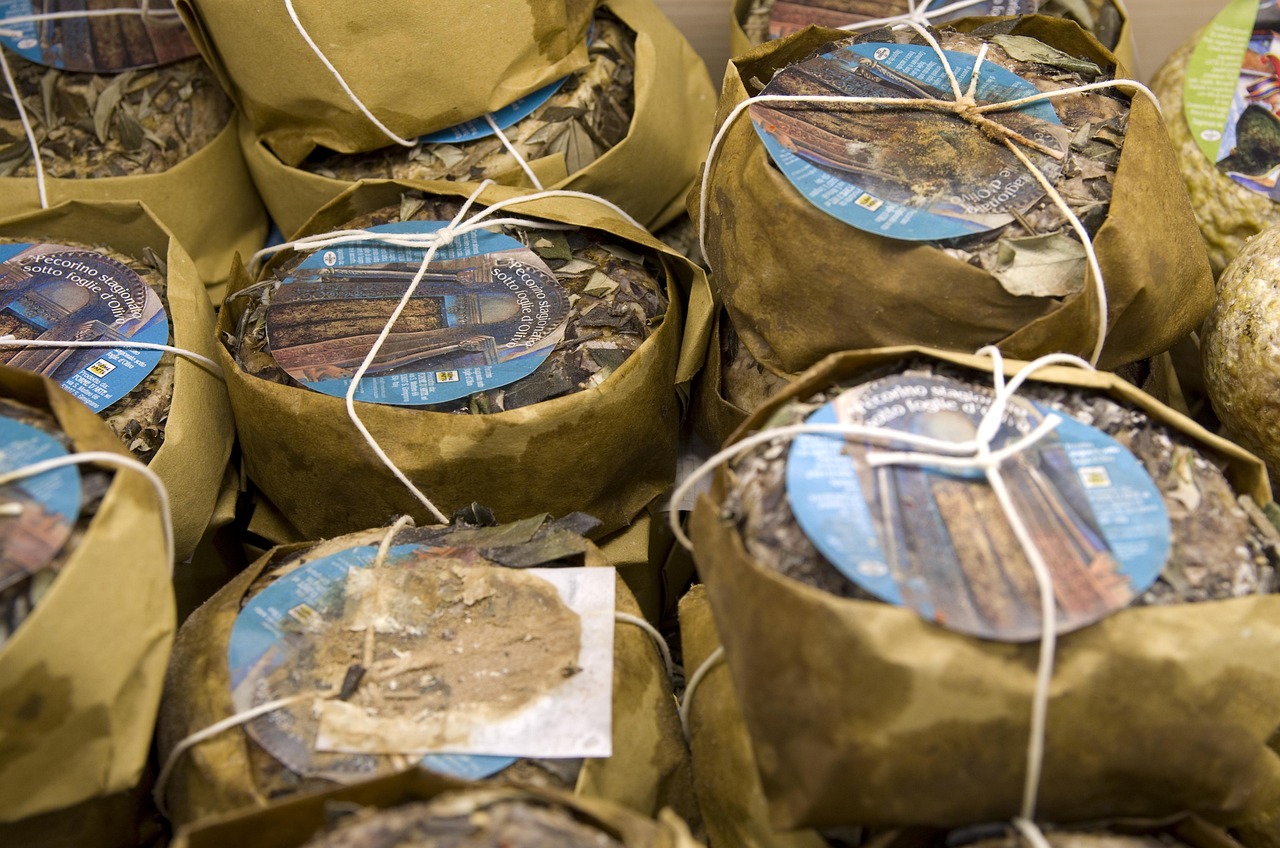
Downstairs — Conti's porcini-and-balsamic counters (vacuum-packed truffle products travel legally and well), the Perini salumi bank, the cheese ager's pecorino ladder (ask for the stagionato tastes), the seasonal porcini stands (autumn's theater), and the picnic assembly (bread, finocchiona, pecorino, tomatoes — Boboli admission's best companion); upstairs — the fresh-pasta station's tortelli, the Chianti bar's by-the-glass ladder, the fried-artichoke cones in season, and the cooking-school calendar (market-to-table classes book ahead). The quarter craft: the leather stalls outside run tourist-tier (the San Lorenzo haggle is sport; real leather shops hide on the side streets), theEHRE basilica-and-chapels pairing makes the Medici morning, and Sunday closures downstairs flip the visit upstairs-only.
Practicals and fit
Piazza del Mercato Centrale (five minutes from the Duomo, two from San Lorenzo basilica), ground floor roughly 7am-2pm Monday-Saturday, upstairs daily to midnight, free entry always. Fit: foodies first and completely, families (the everyone-eats solution), budget trips, and the first-morning ritual — Florence introduces itself best through its stomach.
What to expect
The experience
Mengoni's 1874 iron-and-glass hall running two registers — the morning trade floor of butchers, cheese vaults and lampredotto stalls below, the artisan food hall upstairs daily to midnight.
Best time
Mornings downstairs for the real market (lampredotto before 11:30 — the stalls sell through); upstairs any hour, with aperitivo running civilized and lunch peaking 1-to-2.
How long
An hour's graze or the full market morning.
Tips
Order the lampredotto panino bagnato with salsa verde and join a century of regulars. Assemble the Boboli picnic downstairs. The leather stalls outside are sport; the real shops hide on side streets.
Quick picks
- Best for
- The foodie chip's headquarters — the city's best eating-per-euro under one iron roof.
- Families
- Every appetite solved — pizza ovens, pasta bars, gelato tiers — with no reservation required.
- Couples
- The Chianti bar's by-the-glass ladder and the truffle counters — the market date that out-eats restaurants.
- Pair with
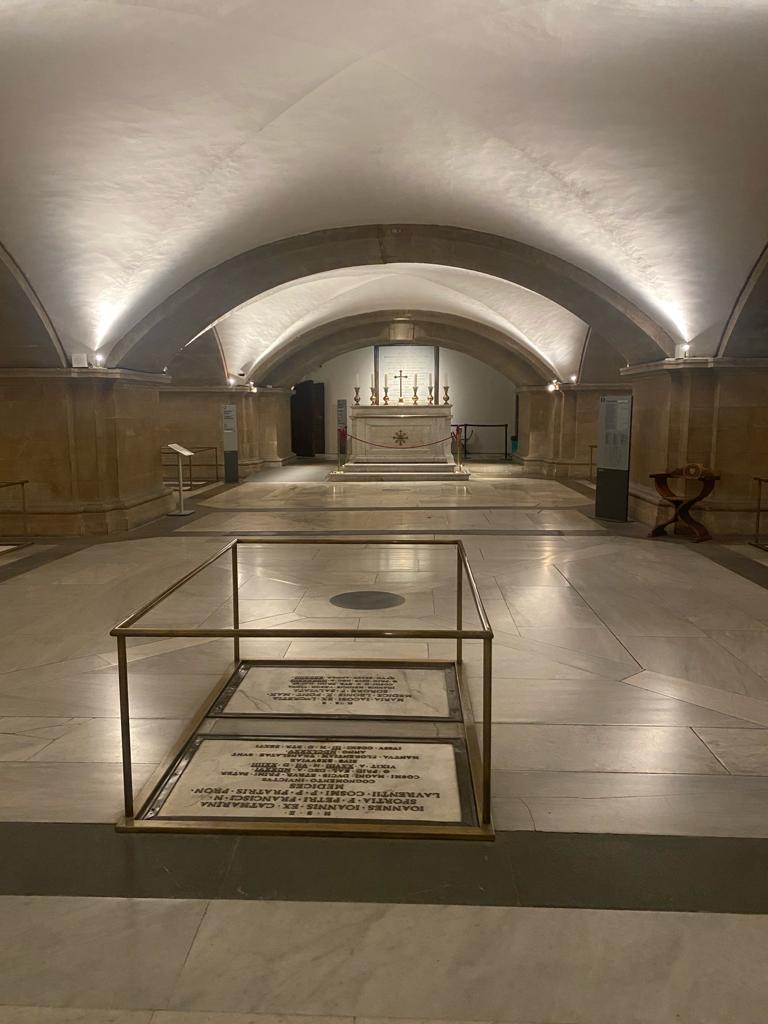
- San Lorenzo basilica and the Medici Chapels two minutes away — the market-and-Medici morning.
- Time needed
- One grazing hour, returned to nightly.
Good questions
What is lampredotto?+
Florence's defining street food — the fourth stomach slow-simmered and chopped onto a broth-dipped bun with salsa verde — and Nerbone's 1872 queue downstairs is its cathedral line; go before 11:30.
What is the difference between the floors?+
The ground floor is the real morning market — butchers, cheese vaults, produce, the old-guard counters (roughly 7am-2pm, closed Sundays) — while the upstairs artisan food hall runs daily to midnight.
Is it good for dinner?+
The upstairs hall is the rare Florence answer for late, no-reservation and group appetites — artisan stations from bistecca to napoletana pizza under the iron vaults until midnight.
Can we bring food home?+
The vacuum-packed truffle products, aged pecorino and salumi travel well and legally within most limits — the downstairs counters pack for flights knowingly.
What about the leather market outside?+
The stalls wrapping the building run tourist-tier haggling sport — enjoyable, negotiable, caveat emptor — while the serious leather shops hide on the quarter's side streets.