The Palazzo Medici Riccardi is the building the Renaissance was run from: the palace Cosimo il Vecchio commissioned from Michelozzo in 1444 — the prototype whose three-story grammar (rusticated base, graduated upper orders, the great cornice, the cube courtyard) every Florentine palazzo copied for a century, including the Strozzi and Pitti rivals it provoked — and the house where the dynasty's golden age actually happened: Cosimo ran the bank and the city from these rooms, Lorenzo il Magnifico held the humanist court here (Poliziano, Ficino and Pico at the table; the teenage Michelangelo lived in the household as a sculpture student — the garden school story starts at this address), Leonardo and Botticelli delivered commissions through its doors, and Charles VIII and emperors were received in its chambers before the family decamped to larger palaces and the Riccardi bought and baroqued it. The visit's crown jewel ranks with anything in the city: the Chapel of the Magi — Benozzo Gozzoli's 1459 fresco cycle wrapping the tiny private chapel in the Procession of the Magi rendered as the Medici court in paradise: Lorenzo as the young king on the white horse, Cosimo and Piero riding behind, the Byzantine emperor and patriarch from the 1439 Council cameoing, the whole retinue winding through a jeweled Tuscany of hunting leopards and gold-leaf harnesses — the most charming room in Florence, kept at timed small-group capacity (the chapel is tiny; the slot system is the one booking that matters), and the reason the palace earns its ticket alone. The supporting program: Michelozzo's courtyard (Bandinelli's Orpheus, the Medici emblems), the garden's citrus calm, Luca Giordano's later gilded gallery (the Riccardi's baroque ballroom — the Apotheosis ceiling answering Versailles), the Marbles collection downstairs, and the rotating exhibitions the Metropolitan City mounts. The craft: 60-to-90 minutes, the Magi chapel slot booked ahead on busy weeks, and the quarter logic — the palace sits on via Cavour a block from San Lorenzo (the Medici church, Michelangelo's library stairs) and the Medici Chapels: the dynasty's full architectural biography walks in one morning. Fit: the history chip's cornerstone (this is where patronage lived), art travelers (Gozzoli's chapel), and first trips threading the San Lorenzo quarter.
The palace's story is power learning architecture: Cosimo rejected Brunelleschi's grander design as politically loud ("envy is a plant one should never water" — the frugality was theater; the palace still cost a fortune) and Michelozzo's restraint invented the type: defensive mass below, graceful piano nobile, the corner loggia for business (later walled by the Riccardi), and the courtyard's antique-sculpture program announcing the family's Rome-reviving claim. The rooms' human history outruns the stone: Lorenzo's brigata and the Pazzi-conspiracy aftermath managed from here, the Magi chapel's triple function (private devotion, Council-of-Florence commemoration, dynastic manifesto — the Medici rode in the Epiphany confraternity's processions, and Gozzoli painted the ritual eternal), Michelangelo's household years (Lorenzo seated the boy at the family table — the biography's formative scene), and the 1494 sack when the family fell: the crowds stripped the palace of its Donatellos (the David and Judith now elsewhere began here).
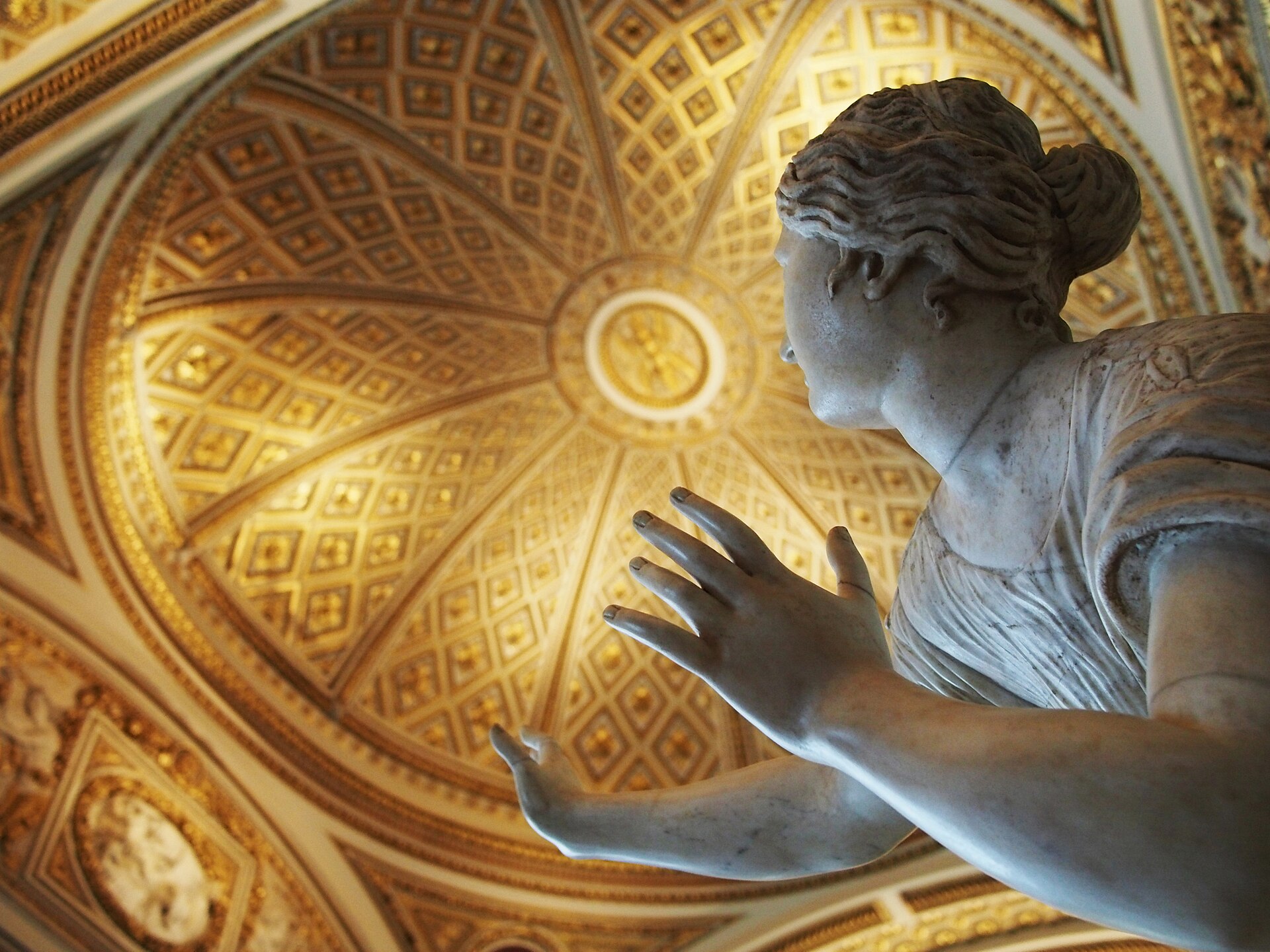
The Gozzoli chapel's craft rewards preparation: the procession reads right-to-left across three walls (youngest king Lorenzo-idealized leading, the elders following, the shepherds' adoration at the altar wall's Lippi-school altarpiece), the portrait hunt is the visit's game (Gozzoli painted himself — the red cap signed OPUS BENOTII — amid the court; the guides' identifications of Galeazzo Sforza and Sigismondo Malatesta carry scholarly asterisks), the gold-and-lapis surface was lit for candlelight (the dim slot-timed visits approximate the intended glow), and the fifteen-minute cap inside concentrates the attention usefully. The Giordano gallery after plays the contrast: the Riccardi's 1680s mirror-and-gold hall (Medici apotheosis on the ceiling — the later dynasty buying the earlier one's myth) is Florence's one Versailles room.
Practicals and fit
Via Cavour 3 (a block from San Lorenzo and the Duomo quarter), timed Magi-chapel capacity (book ahead in season), 60-90 minutes, exhibitions extra. Fit: the history chip's origin room, art travelers for Gozzoli, the San Lorenzo-quarter morning (palace, basilica, Laurentian stairs, Medici Chapels in sequence) — and anyone who wants the address where the Renaissance was a family business.
What to expect
The experience
The prototype Medici palace — Michelozzo's template courtyard, the rooms Lorenzo ran the Renaissance from, and Gozzoli's jeweled Magi chapel with the family painted as kings, visited in timed small groups.
Best time
Book the Magi-chapel slot ahead in season — the room is tiny and capped; mornings pair with the San Lorenzo quarter's Medici circuit.
How long
Sixty to ninety minutes.
Tips
The procession reads right-to-left across three walls — find Gozzoli's self-portrait in the red cap signed OPUS BENOTII. The Giordano gallery after is Florence's one Versailles room. San Lorenzo and the Medici Chapels complete the dynasty walk.
Quick picks
- Best for
- The history chip's origin room — the address where the Renaissance was a family business.
- Families
- The Magi procession's leopards, gold harnesses and portrait hunt play as a picture-book room.
- Couples
- The chapel's candlelight glow in a fifteen-minute timed hush — Florence's most charming small room.
- Pair with
- San Lorenzo basilica and the Medici Chapels a block away — the dynasty's full morning in sequence.
- Time needed
- One San Lorenzo-quarter hour, chapel slot booked.
Good questions
What is the Chapel of the Magi?+
Gozzoli's 1459 jewel box — the tiny private chapel wrapped in the Procession of the Magi with the Medici painted as the kings: Lorenzo on the white horse, Cosimo behind, hunting leopards and gold-leaf Tuscany around them — the most charming room in Florence.
Why does the building matter architecturally?+
Michelozzo's 1444 design invented the Florentine palazzo — rusticated base, graduated stories, cube courtyard — the template the Strozzi and Pitti palaces answered and every palazzo copied for a century.
Did Michelangelo really live here?+
As a teenager — Lorenzo il Magnifico took the sculpture student into the household and seated him at the family table: the formative scene of the biography happened in these rooms.
Do we need to book?+
The Magi chapel runs timed small-group capacity — the one booking that matters, ahead in season — while the palace, courtyard and Giordano gallery absorb walk-ins.
What pairs with it?+
The San Lorenzo quarter's Medici circuit — the family basilica, Michelangelo's Laurentian stairs and the Medici Chapels all within a block — the dynasty's architecture in one morning.