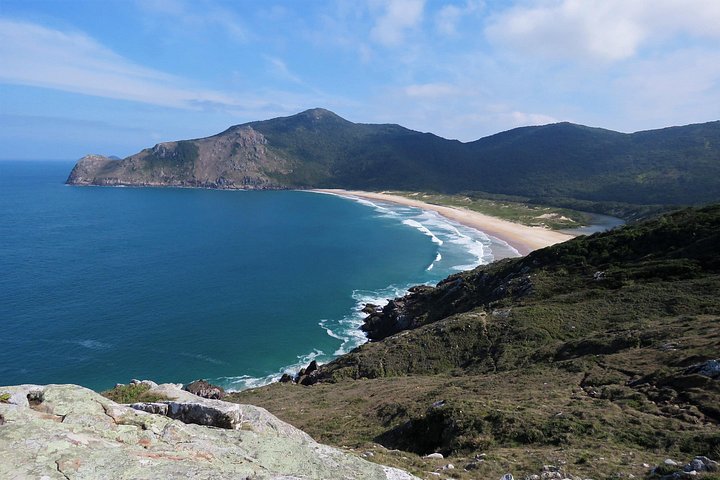
Florianópolis has a humid subtropical climate with four distinct moods. Summers are hot, sticky and packed; autumn is pleasant and calmer; winters are cool and quiet; and spring brings warmth, flowers and fewer crowds. The best time depends on whether you want hot sea swims, big waves, whales or lower prices.
Summer (December to February)
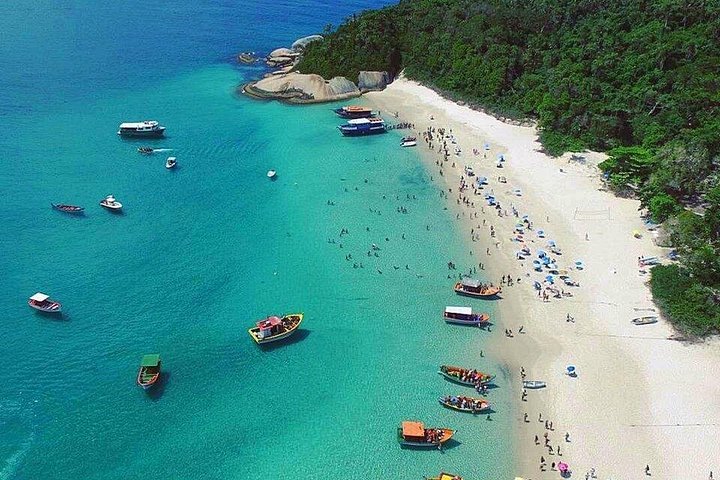
This is the peak season. Days are hot and humid, the sea is at its warmest and beaches are packed with visitors from across Brazil, Argentina and Uruguay. Prices are highest, traffic is heavy and popular restaurants need reservations. It is the best time for swimming, beach clubs and nightlife, and the north coast buzzes. Afternoon thunderstorms are common, usually brief. Book accommodation and boat trips early, and expect crowds on Campeche Island.
Autumn (March to May)
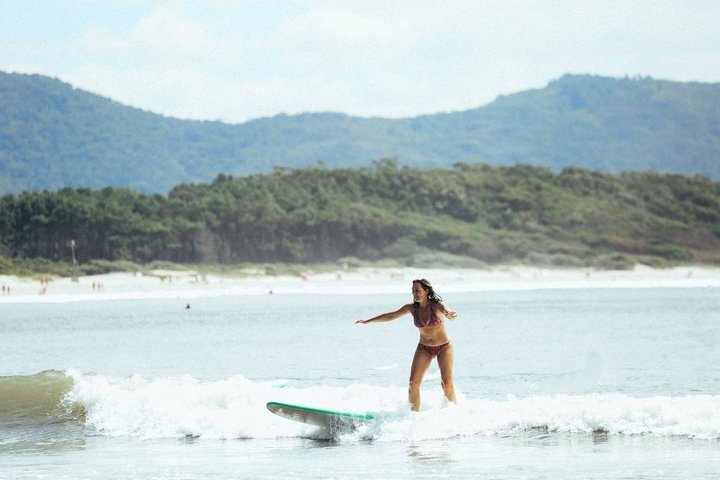
Many locals consider this the best time. The heat eases, the crowds thin and the sea is still warm enough for swimming, especially early in the season. Waves grow, which suits surfers, and the light is clear. Prices drop, restaurants are easier, and the island feels relaxed. Late May can feel cool in the evenings, so pack a light jacket.
Winter (June to August)
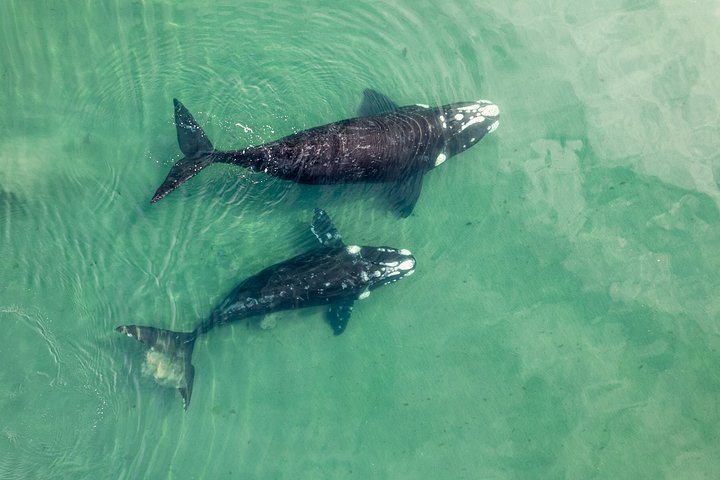
Winter is mild by northern standards but cool and sometimes rainy, with daytime temperatures often in the mid-teens to low twenties Celsius. The sea is cold, though surfers wear wetsuits and enjoy powerful swells. Beaches are quiet, hotels are cheaper and the island has a local feel. It is a good time for hiking, food and culture. In the later part of winter, right whales begin to appear along the coast to the south.
Spring (September to November)
Temperatures rise, flowers bloom and days lengthen. Crowds remain moderate until late in the season, and the sea warms gradually. Whale watching is at its best in the early part of spring, and boat trips to Campeche Island begin to operate more reliably. Hiking is pleasant, and prices are reasonable before the summer jump.
Holidays and events
Brazilian school holidays, Carnival and long weekends fill the island, so book early for those periods. Other festivals include local events in the lagoon district and food celebrations tied to the oyster and mullet seasons. Check dates, because crowds can change a quiet beach into a busy one.
Choosing by interest
For swimming and beach clubs, pick summer. For surfing and fewer people, pick autumn. For whales and quiet hiking, pick winter or early spring. For a balance of weather, price and atmosphere, pick spring or early autumn. For a short trip, weekdays are always calmer than weekends.
Weather tips
Conditions change fast, so check the forecast daily. Sea breezes can make a sunny day feel cool, and rain can arrive in short, heavy bursts. Bring sunscreen, a hat, a light waterproof layer and sandals. Boat trips and paragliding depend on wind and sea, so build flexibility into your schedule.
Sea temperature and swimming
Water is warmest in late summer and can feel cool, even cold, in winter and early spring. East coast beaches tend to be cooler than the sheltered north, because of open ocean currents, and cold upwellings can drop the temperature on windy days. Anyone planning to snorkel, paddle or surf for long periods should consider a wetsuit outside summer. Children usually enjoy the calm warm shallows of the north best.
What a short trip needs
With only three or four days, pick shoulder months and book the experiences that depend on weather early in your stay so that you have spare days. Flexible cancellation, a loose daily plan and a list of rainy-day options such as the market, food tours and museums will keep the trip enjoyable whatever the sky does.
Packing by season
In summer, pack light fabrics, a hat, reef-safe sunscreen, sandals and a compact rain jacket. In autumn and spring, add a sweater for evenings and shoes for walking. In winter, bring a warm jacket, long trousers and a wetsuit if you plan to surf or snorkel. Year-round, insect repellent helps near the lagoon and forest trails, and a dry bag protects phones and cameras on boats.
Crowd-beating tips
Even in summer you can find space by choosing less famous beaches, going before ten in the morning and visiting popular sights on weekdays. In shoulder months, ask hotels about midweek discounts and flexible cancellation.