Food in Florianópolis is shaped by the sea. The island has a long fishing tradition, Azorean roots and a farming hinterland, and the result is a cuisine built on seafood, manioc, rice and fresh vegetables. Whether you eat at a market counter, a village restaurant or a beach kiosk, fish and shellfish are almost always on the menu.
Oysters
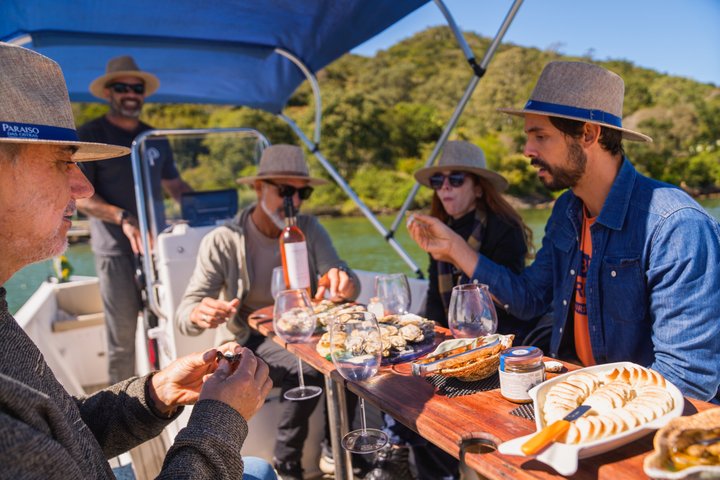
Santa Catarina produces the large majority of Brazil's farmed oysters, and the bays of Florianópolis are at the centre of the industry. You can eat them raw with lemon, grilled with cheese or baked with sauces. The best places are in the south of the island and in Santo Antônio de Lisboa, where restaurants sit beside the farms. If you are new to oysters, order a mixed plate. Those with allergies or health concerns should avoid raw shellfish.
The shrimp sequence
A local tradition is the sequência de camarão, an all-you-can-eat meal where waiters bring shrimp prepared many ways: fried, grilled, in sauce, in pastry and in soup. It is generous, fun and a little overwhelming, so go with an appetite and a group. Many restaurants in Lagoa da Conceição and elsewhere serve it, and prices are fixed per person.
Fish and stews
Fresh fish is grilled, fried or stewed with tomato, peppers and coconut milk. Pirão, a thick manioc porridge made with fish stock, often accompanies it. Look for tainha, the mullet that runs along the coast in cooler months and is cooked on the grill or in pastries. In village restaurants, the catch of the day is usually the best choice.
Markets and everyday meals
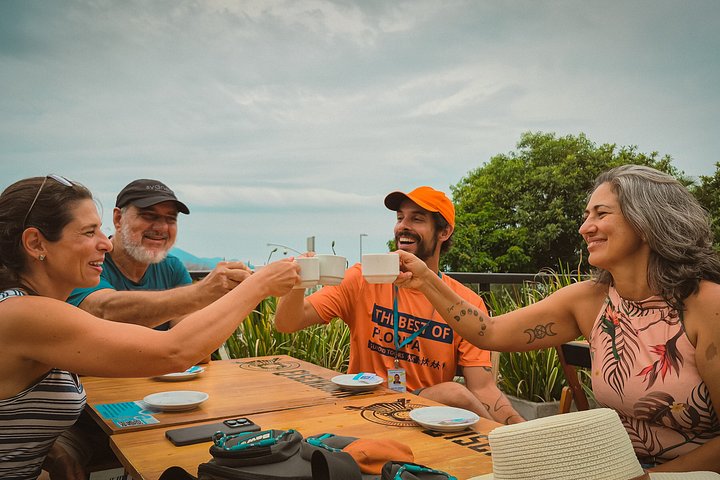
The public market in the centre is a classic lunch stop, with stalls and counters serving seafood, snacks and drinks. Per-kilo buffets, where you load a plate and pay by weight, are common and cheap. Bakeries sell pão de queijo, savoury pastries and cakes, and cafes serve strong coffee. For a fast and filling meal, these are hard to beat.
Drinks
The caipirinha, made with cachaça, lime and sugar, is the national cocktail and appears on every menu. Craft beer has grown rapidly, and local breweries offer tastings. Fresh fruit juices, coconut water and guaraná soda are everywhere. At the beach, kiosks sell cold drinks and snacks, so you rarely need to carry much.
Eating on a budget
Per-kilo restaurants, bakeries and street food are the cheapest options. Fixed-price lunch menus offer good value, and sharing large seafood platters cuts the cost per person. Beachfront restaurants charge a premium for the view, so walk a street or two back for lower prices. Always check whether service is included, as many restaurants add around ten percent.
Practical tips
Dinner is often late by European standards, with kitchens busy from eight in the evening. Reservations are wise in summer. Menus may be Portuguese only in smaller places, so a translation app helps. Tell staff about allergies clearly, and remember that seafood is part of many dishes. A food walking tour or a cooking class is a pleasant way to learn more.
Special occasions and sweet treats
For a celebratory dinner, the lagoon district and Jurerê have the most polished restaurants, with tasting menus, wine lists and sea views. Brazilian desserts such as brigadeiro, pudim and fresh fruit with condensed milk are widely available, and bakeries sell sweet breads and cakes in the morning. Ice cream shops and açaí bowls are staples after a beach day, and fresh coconut sold on the sand is the simplest refreshment of all.
Vegetarian and special diets
Seafood and grilled meat dominate, but vegetarians can eat well at per-kilo buffets, in the lagoon district where many cafes cater to plant-based diets, and at bakeries. Learn the phrase sem carne e sem peixe, without meat and fish, and be explicit about hidden ingredients such as bacon in beans or shrimp in broth. Gluten-free choices are common because manioc and rice are staples.
A sample food day
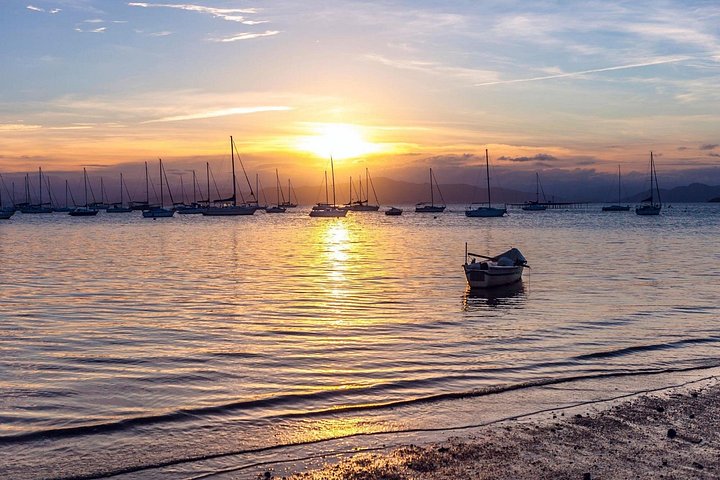
Start with coffee, pão de queijo and fresh fruit at a bakery. Take a market or per-kilo lunch, then an afternoon snack of pastries or açaí after the beach. For dinner, choose between a shrimp sequence with friends, a fish stew in a village or a plate of oysters at sunset. End with a caipirinha or a craft beer. Eating this way, with variety and long meals, is how locals enjoy the island.