Florianópolis is famous for its beaches, but the sheer number can be overwhelming. Each has a character, a crowd and a use. Some are calm and shallow, others thundering and wild; some are lined with restaurants, others with nothing but dunes. This guide matches beaches to moods so you can plan each day.
North: calm and family friendly
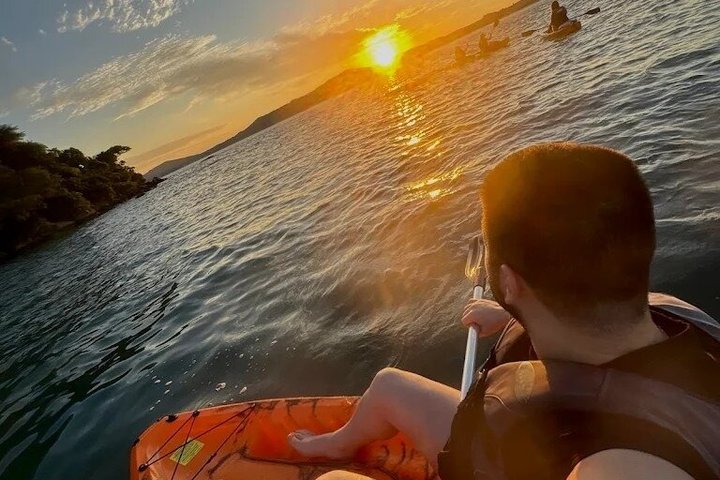
Canasvieiras, Ingleses and Jurerê sit on the sheltered north coast, where the water is calm and often warm. Canasvieiras is a classic family resort with a long promenade and plenty of restaurants. Jurerê is polished, with beach clubs and upscale dining. Kayaking to French Island and paddleboarding are easy here, and the shallow water suits young children.
East: surf and dunes
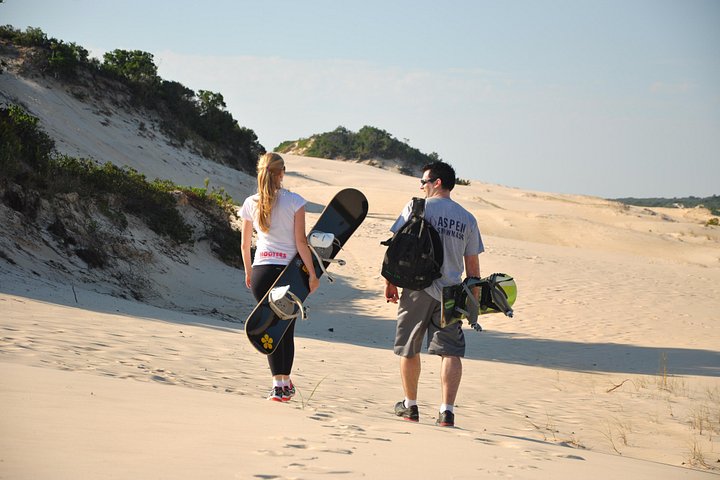
The east coast faces open ocean. Joaquina is famous for its dunes and surf, and has hosted competitions. Mole is a lively beach with a young crowd. Galheta is a quiet cove reached by a short trail. Barra da Lagoa is a village beach with natural pools. Waves can be strong, so swim carefully and follow flag signals.
Southeast: Campeche
Campeche is long and wide, with soft sand and beginner-friendly waves. Surf schools line the shore, and the view of Campeche Island adds drama. It is also where boats leave for the island. The neighbourhood behind the beach has cafes and guesthouses, so it works for a full stay.
South: wild and remote
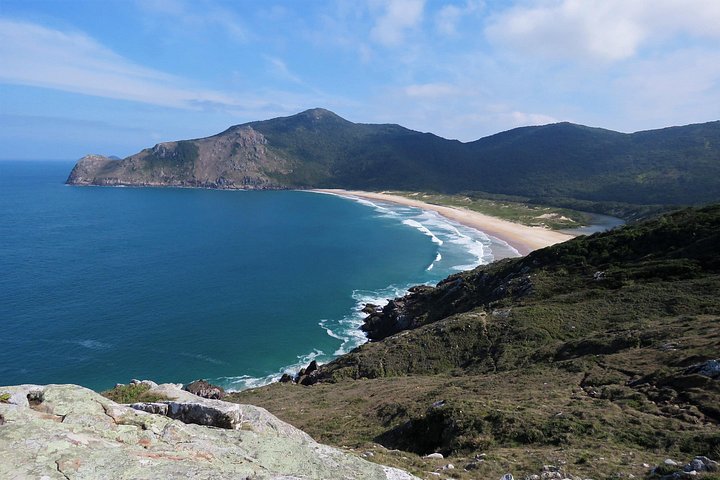
The southern beaches, including Matadeiro, Lagoinha do Leste and Naufragados, are reached by trails or by boat and feel remote. They suit hikers and nature lovers rather than casual beachgoers. Bring water, food and sun protection, because services are minimal. These beaches reward effort with scenery and solitude.
Surf culture
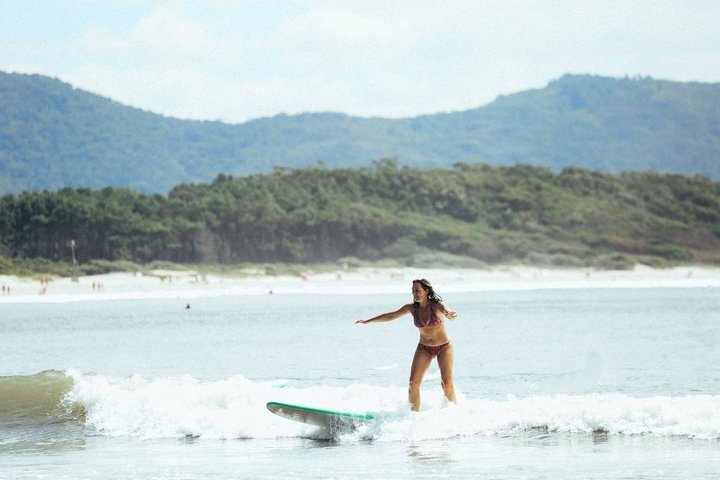
Surfing is part of local identity. Lessons are available at several beaches, with Campeche and Joaquina the most popular. Beginners should choose a quiet morning and a good school. Experienced surfers should respect the lineup and local etiquette. Winter brings bigger swells, while summer waves are usually smaller.
Safety and etiquette
Check flag signals and ask locals about rip currents, especially on the open east coast. Lifeguard coverage varies. Keep valuables out of sight, take rubbish away and avoid disturbing dunes and vegetation. Many beaches have natural sections where nudity is not typical, so follow local norms and signs.
Planning your beach days
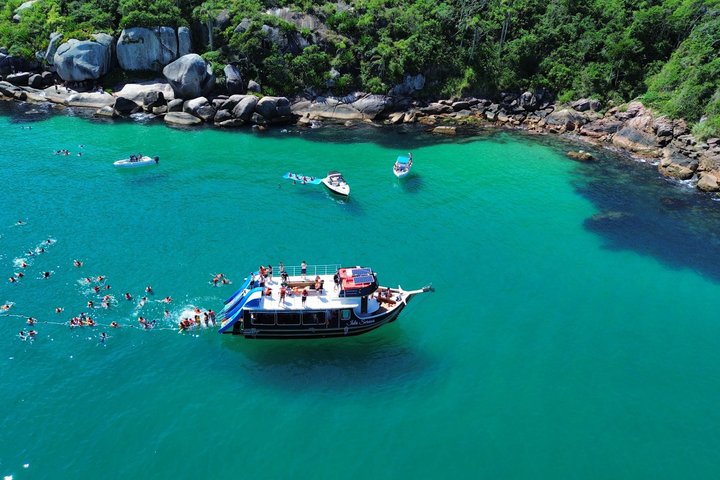
Pick one area per day to avoid long drives. Go early to find space in summer, bring cash for kiosks and rent chairs rather than carrying them. Combine beach time with a boat trip, a dune slide or a seafood lunch. On windy days, switch to a sheltered cove or the north coast.
Beach comforts and costs
Many beaches have kiosks renting chairs and umbrellas, selling drinks and snacks, and sometimes offering showers and toilets. Prices rise at the most famous beaches in summer. Wear a rash vest or a hat for sun protection, and bring a dry bag. Wi-Fi and cards are common in town but patchy on remote trails, so carry cash for the smaller beaches.
Photography and sunsets
East-facing beaches catch sunrise, while the west shore of the island, around the bay and Santo Antônio de Lisboa, is the place for sunsets. The dunes and the lagoon viewpoints are best in low afternoon light, and the clear days after a cold front give the sharpest views of the coast and Campeche Island.
A beach for every traveller
Families with small children should pick Canasvieiras or the Barra da Lagoa pools. Couples may prefer Campeche at sunset or a quiet cove such as Galheta. Surfers should head to Joaquina, Mole or Campeche. Hikers can aim for Lagoinha do Leste. Social travellers will enjoy Mole and Jurerê. Mixing two or three of these gives a rounded picture of the island, and each can be reached within a day from a central base.
Beach basics for first-timers
Arrive early, learn the local flag colours, share the sand politely and carry cash. If unsure which beach to choose, ask your hosts that morning, because wind and swell change daily and locals know where it is calm.