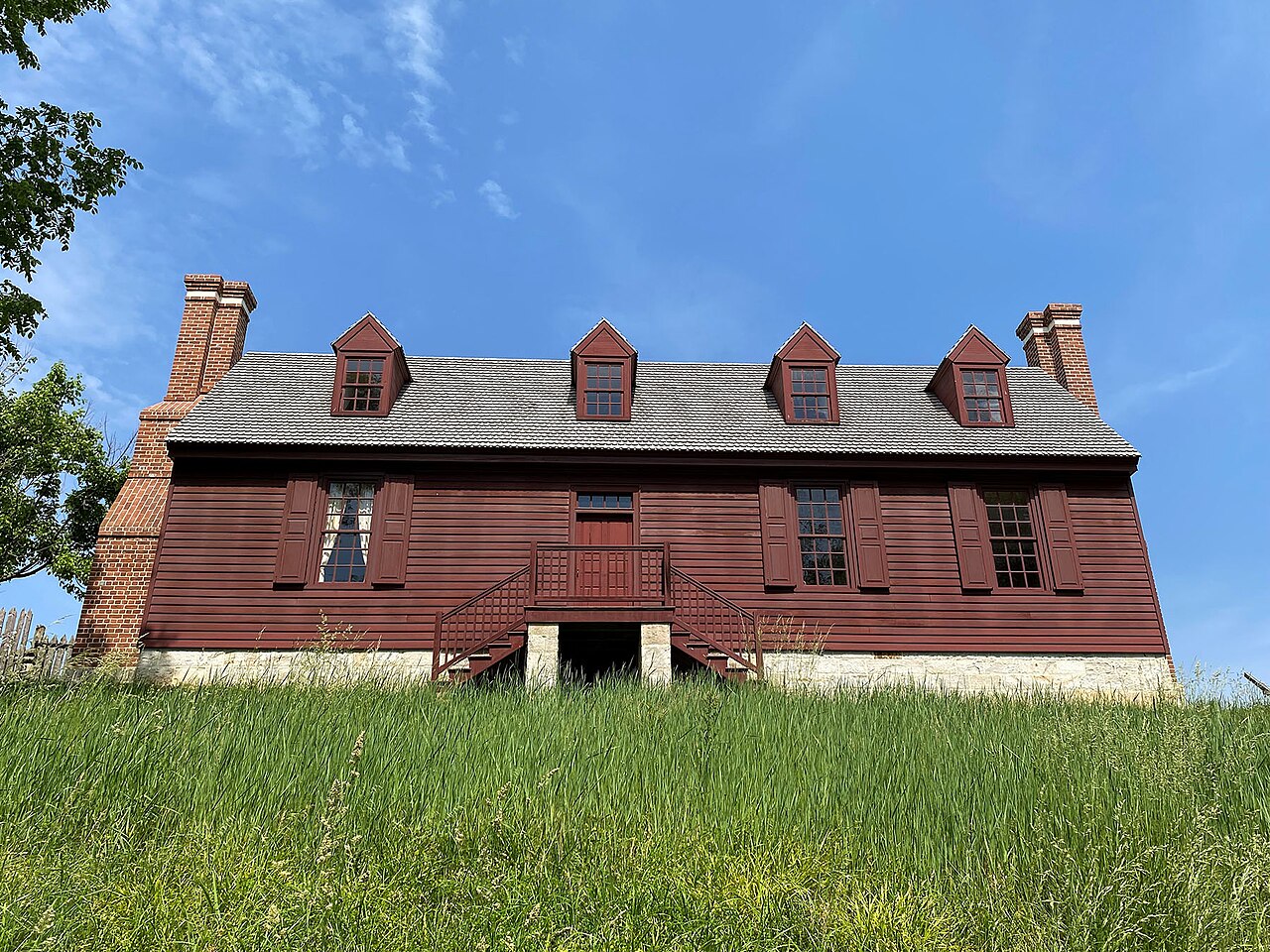
George Washington spent his formative years in Fredericksburg, and his family left their mark on the town. His mother, sister and brother all lived here, and several of their buildings survive as museums. Following the trail gives you a more human view of the first president than the monuments of Washington, DC, and it fits neatly into a day or two.
Ferry Farm: the boyhood home
Across the river from Old Town, Ferry Farm is where the Washington family moved when George was about six. He lived here through his childhood and teens, including the years after his father's death. The site is run by the George Washington Foundation and focuses on archaeology: foundations, artifacts and evidence of the lives of the enslaved people who worked the farm. A reconstructed house stands on the original footprint, and there is an archaeology lab, exhibits and open grounds. The cherry-tree story, invented after his death, belongs here in folklore, not in fact. Allow about an hour and a half.
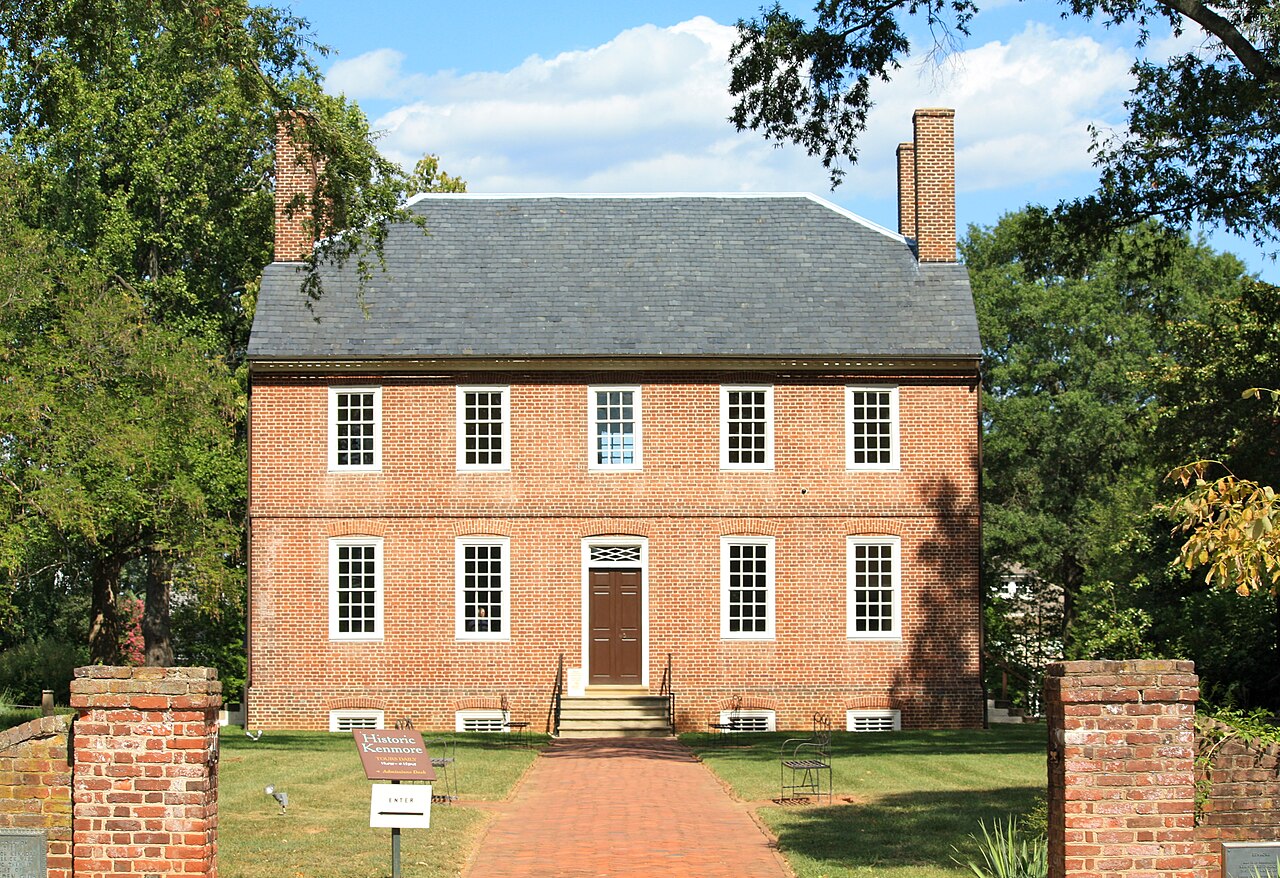
Historic Kenmore: his sister's mansion
Betty Washington and her husband Fielding Lewis built this Georgian mansion in the 1770s. It is famous for its plasterwork ceilings, and the tour explains the family's life, finances and the role of enslaved people. Fielding Lewis used his own money to support a gun factory during the Revolution, which strained the family's fortune. In 1922, local women saved the house from demolition. Allow about an hour and a half, and ask about combined tickets with Ferry Farm.
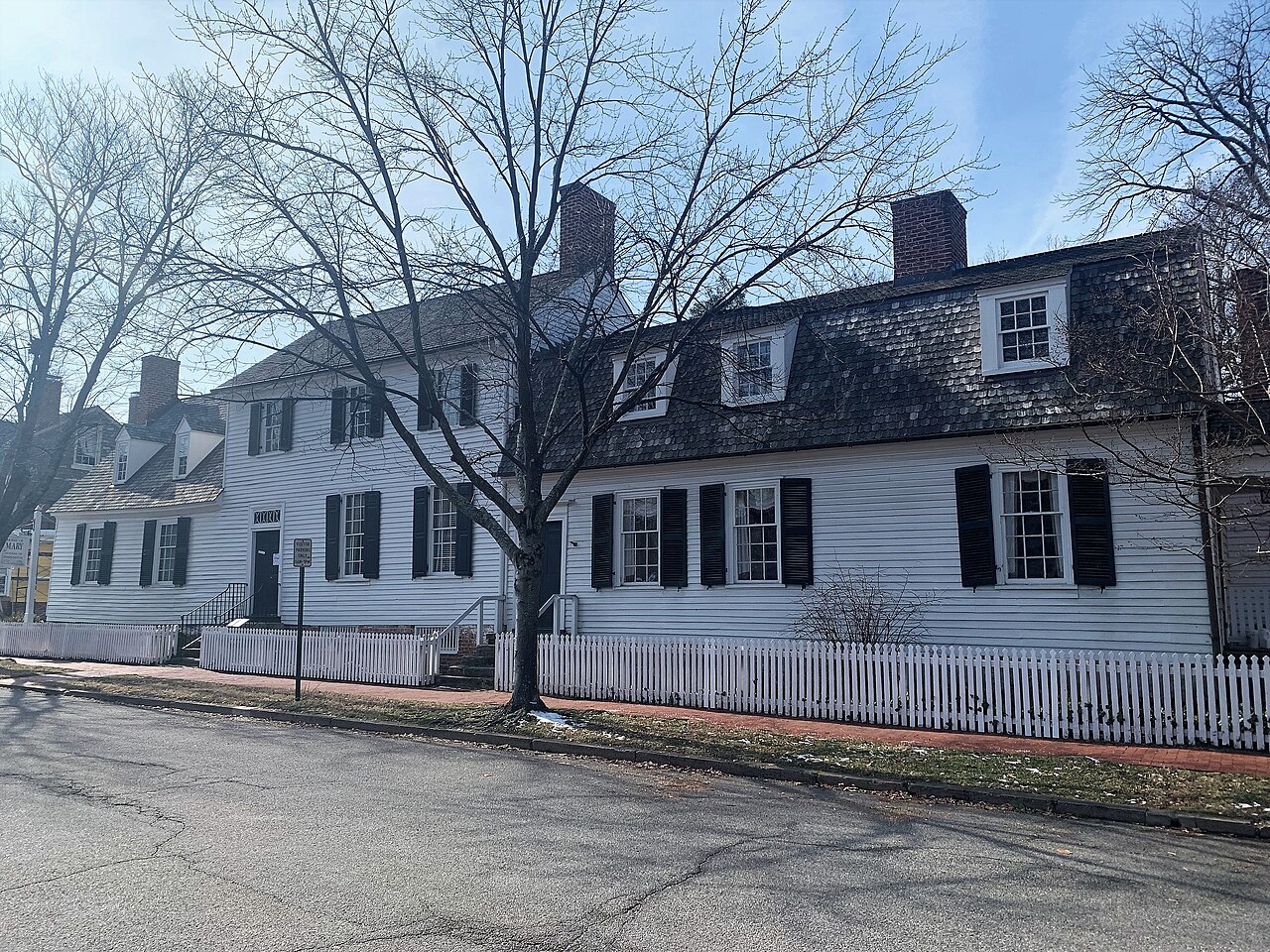
Mary Washington House: his mother
George bought this modest house in 1772 so that his widowed mother could live near Betty. Mary Ball Washington lived here until 1789. Period rooms and a garden show how a woman of her class lived, and the guides discuss her relationship with her son. Allow 45 minutes.
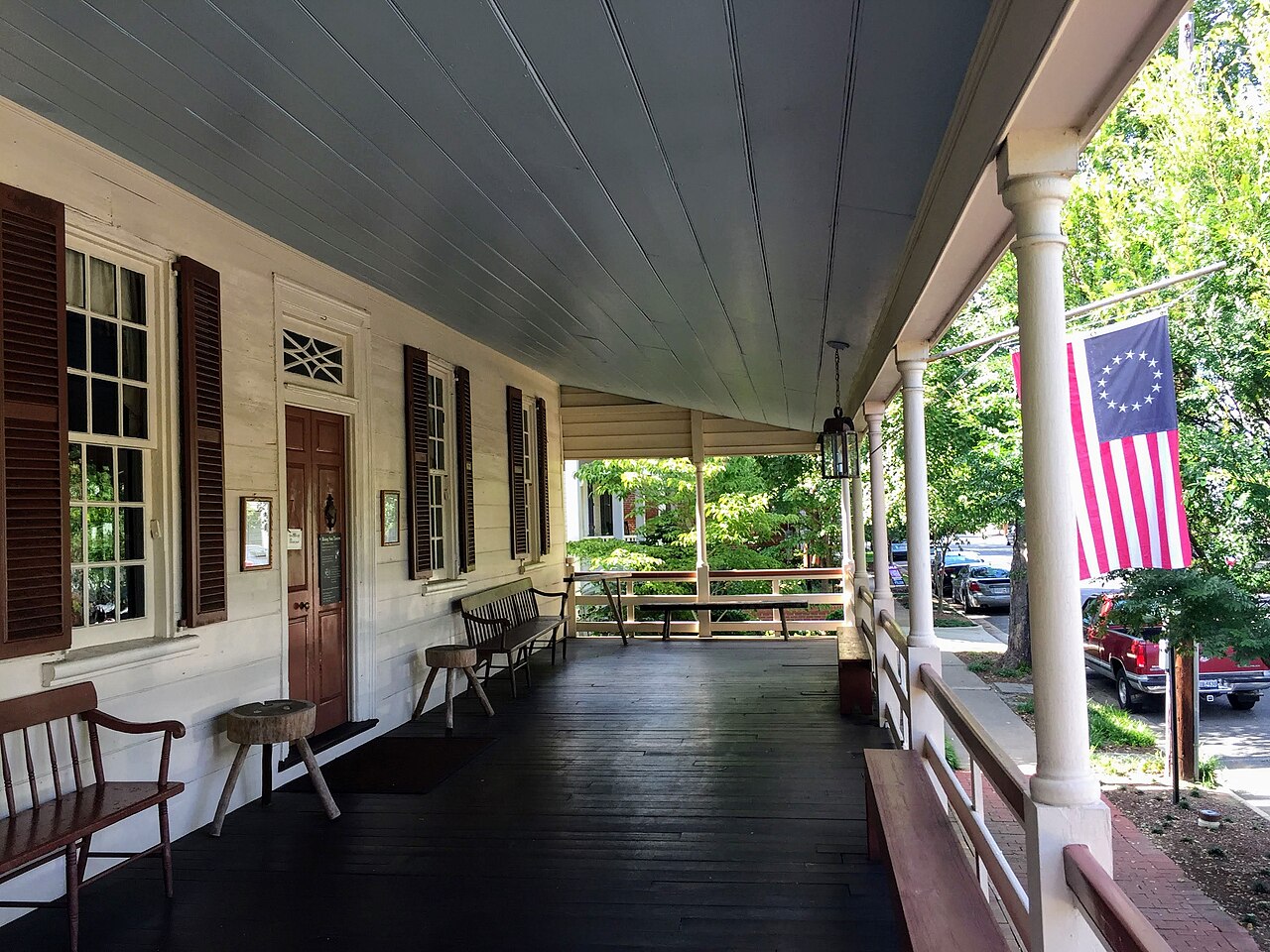
Rising Sun Tavern: his brother
Built around 1760 by Charles Washington, this building later became a tavern. Costumed guides lead short tours through the taproom, great room and retiring room, and the performance is lively. Allow thirty minutes.
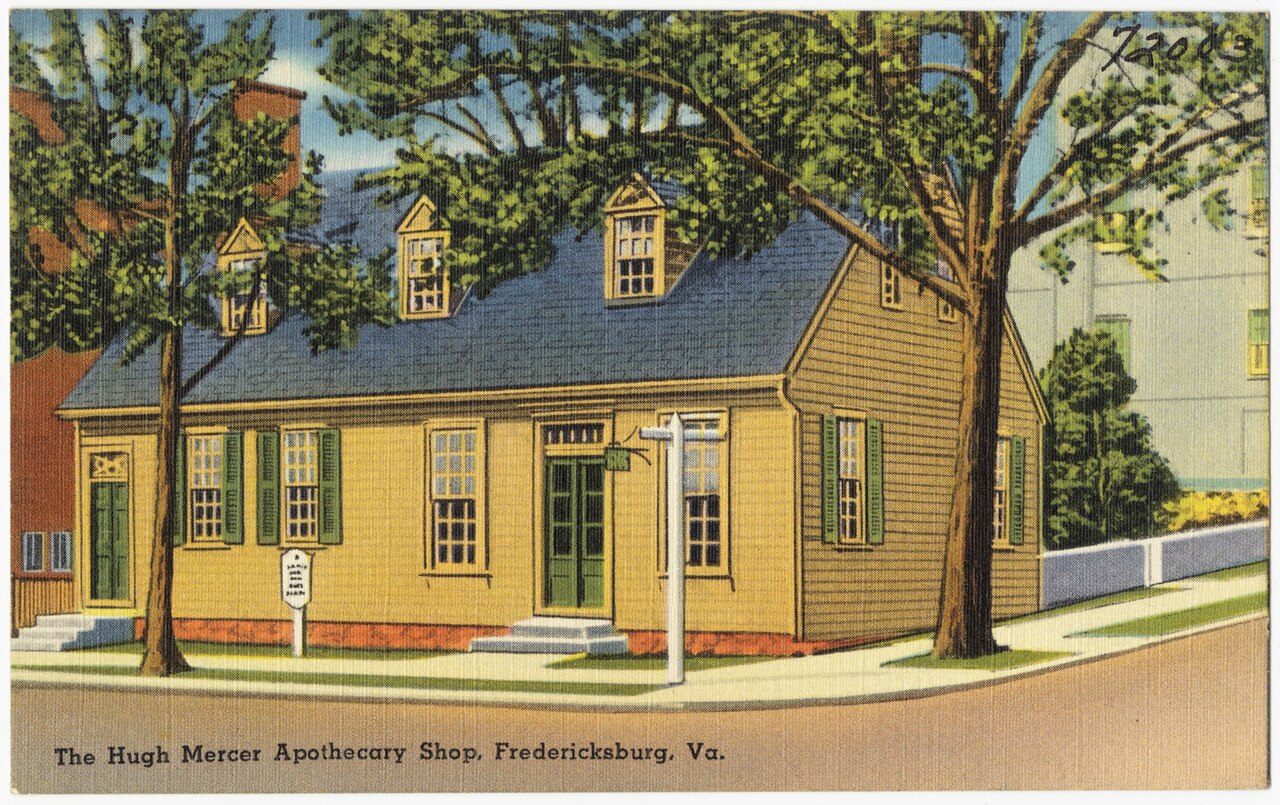
Hugh Mercer Apothecary Shop: the family doctor
Dr. Hugh Mercer, a Scottish-born physician, treated local families including the Washingtons, and later became a general who died after the Battle of Princeton. His reconstructed shop shows colonial medicine with gruesome relish. Allow thirty minutes.
James Monroe Museum: a later president
Not a Washington site, but close by and worth adding if you enjoy the period. It holds the largest collection of Monroe artifacts.
Suggested order
Day one morning: Ferry Farm, then lunch in Old Town. Afternoon: Kenmore. Day two morning: Mary Washington House, Rising Sun Tavern and the Apothecary Shop in a row, since they are close together. Add the Monroe Museum if you have time, and finish with the walking tour or a stroll on Caroline Street. If you have only one day, choose Kenmore, the tavern and the Mary Washington House.
Tickets and timing
Washington Heritage Museums runs the tavern, the apothecary and the Mary Washington House and offers combined tickets that save money. The George Washington Foundation runs Kenmore and Ferry Farm and has offered combined tickets. Hours and tour times change by season, so check before you go. Small museums often close on certain weekdays.
With children
The tavern and the apothecary shop are the best for children, thanks to costumed guides and gory details. Ferry Farm has space to run and archaeology activities. Kenmore suits older children who can stay quiet in the rooms.
Honest history
Modern interpretation at these sites addresses slavery directly, and the guides welcome questions. Expect a fuller story than the old narratives of heroic families, one that includes the people whose labour built and ran the houses.
Questions to ask the guides
The best conversations at small museums start with simple questions. Ask what the family ate, how they travelled, what the house cost to run and who did the work. Ask how historians know what they know, from archaeology to letters and inventories. Guides at all of these sites enjoy being asked, and their answers often include details that never reach the brochures.
If you can only do two
Choose Kenmore for architecture and scale, and Ferry Farm for the archaeology and the boyhood story. Together they show the two sides of the family: the prosperous marriage of a sister and the hard beginnings of her brother.