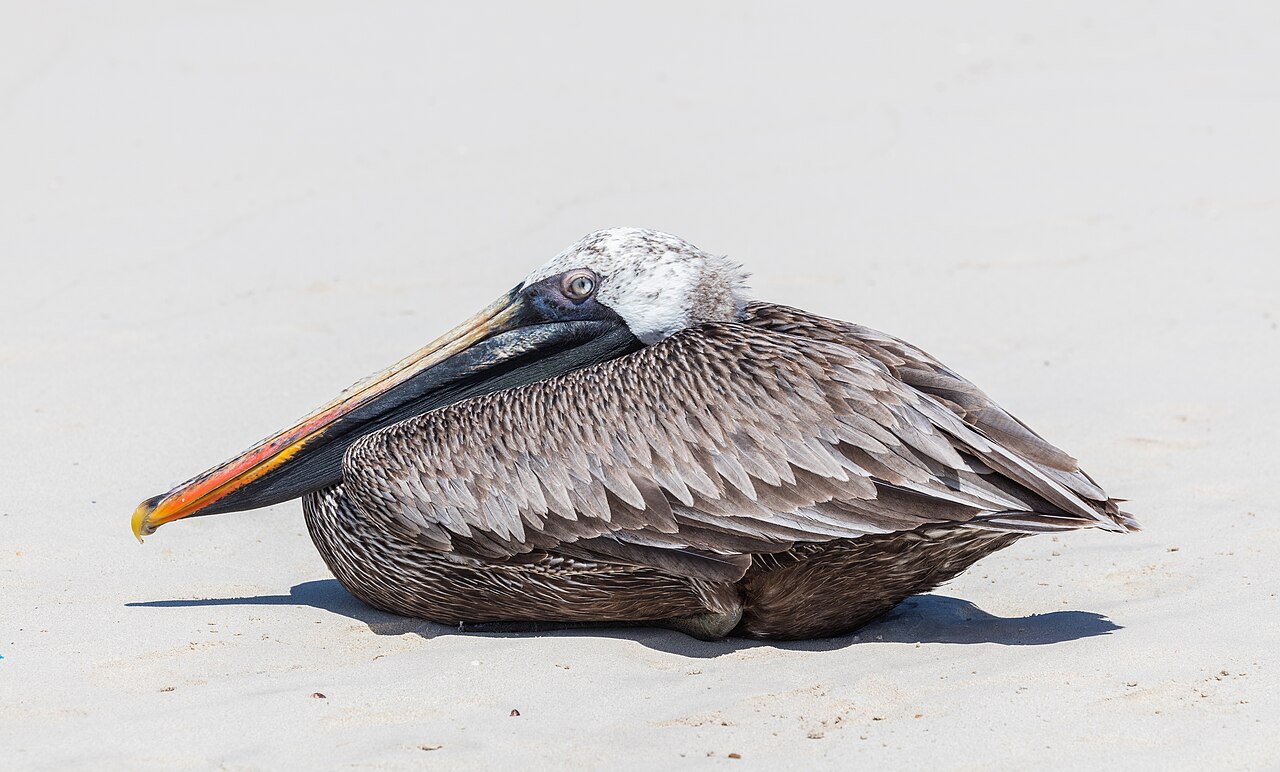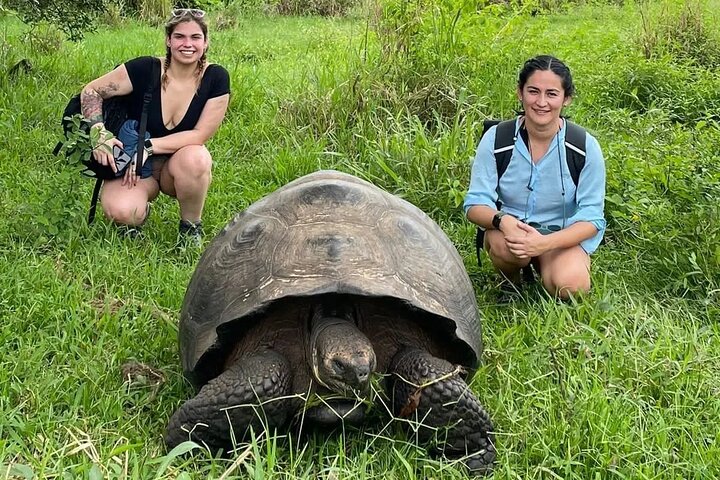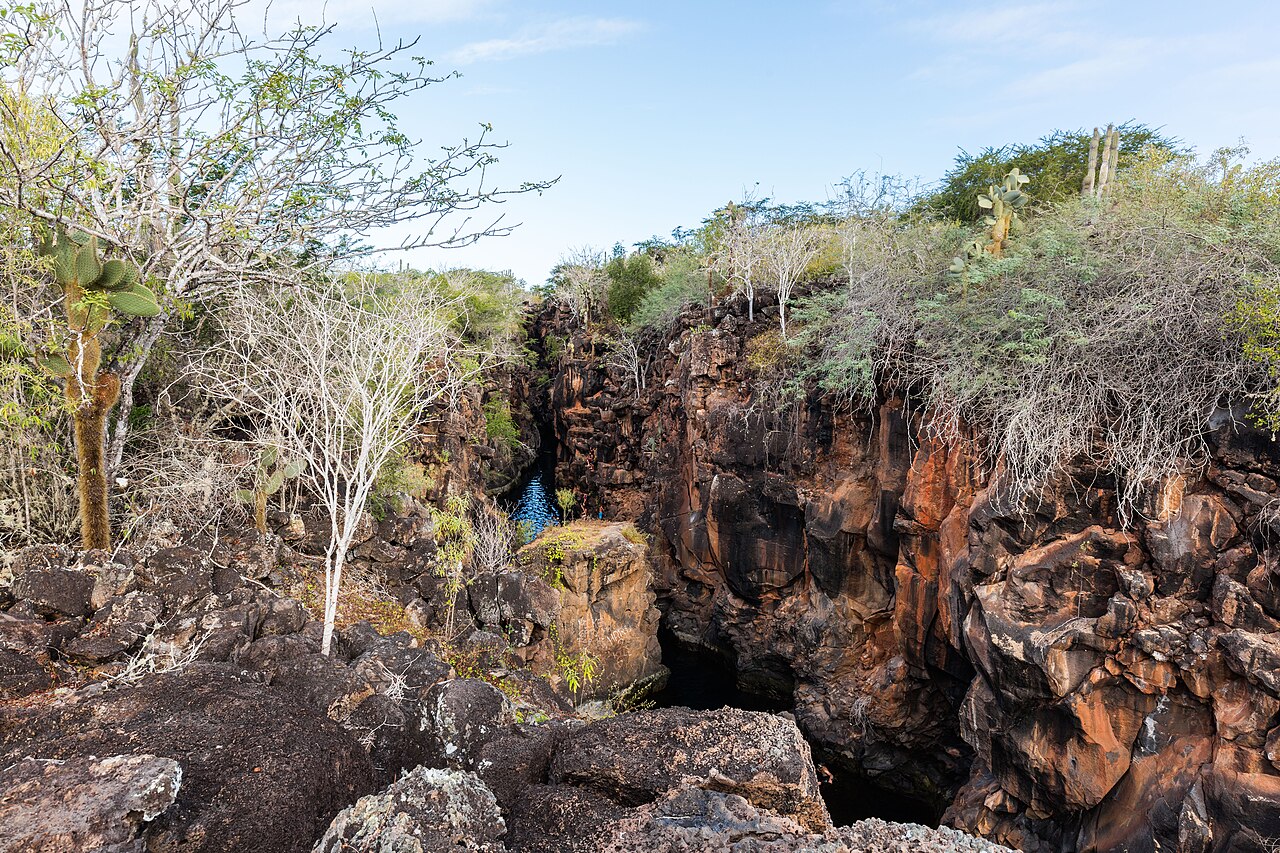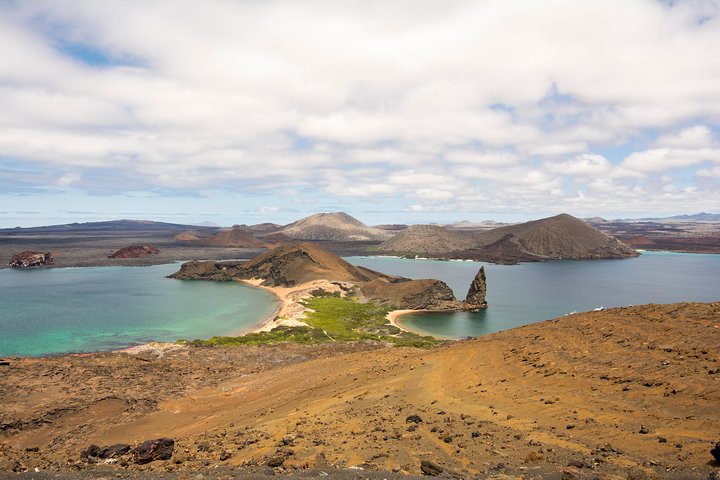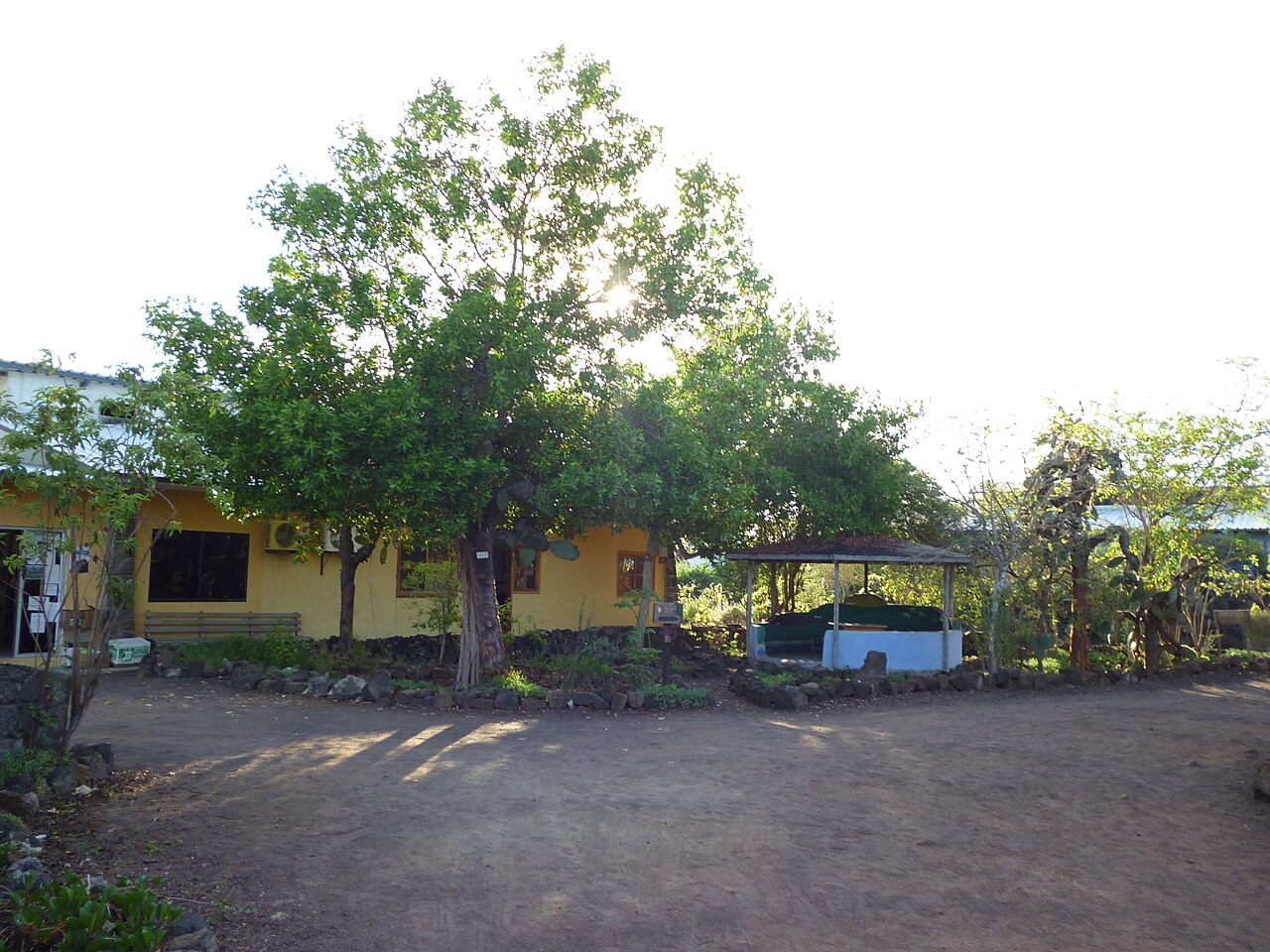
The Charles Darwin Research Station sits at the eastern end of Puerto Ayora's Avenida Charles Darwin, a flat, shaded walk from the harbour front. It is run by the Charles Darwin Foundation, the scientific organisation that has worked with the Galápagos National Park since the 1960s on conservation, research and the fight against invasive species. For visitors it works as a gentle introduction to everything else you will see: a visitor centre and exhibition hall explain the geology, the wildlife and the threats the archipelago faces, and a short trail leads to the tortoise breeding and rearing area, where young giant tortoises of different island races are raised before release. It is where you first understand why a tortoise from one island has a different shell from its neighbour on the next, and why that mattered so much to Darwin. The grounds are open every day and entry to the station itself is free, though your national park entry fee, paid when you landed in the islands, is what gives you access to the park areas around it. Allow a couple of hours, wear a hat, and expect to share the paths with Darwin finches and lava lizards.
The station is best understood as a working institution rather than a museum. Scientists here study marine and terrestrial ecosystems, monitor species at risk and advise the park on everything from tortoise restoration to controlling introduced plants and insects. The exhibition hall and visitor centre translate that work for the public, and the breeding centre next door shows it in action, with rearing pens for hatchlings and larger enclosures for adolescent tortoises ready for return to their home islands.
The site is also associated with the story of Lonesome George, the last Pinta Island tortoise, whose long life here made him a symbol of conservation.
Planning the visit
Walk from the waterfront along Avenida Charles Darwin, which takes about ten to twenty minutes from most Puerto Ayora hotels, and arrive in the morning before the heat builds. The station is open daily with long daytime hours, but check the foundation's visitor page before you go, as opening arrangements for individual buildings can change.
A guide is not required to walk the grounds, but a naturalist guide adds a great deal, and many highland and bay tours include a stop here. Pair it with the free paths nearby and lunch in town.
What to keep in mind
This is a protected area, so stay on the marked paths, keep a respectful distance from tortoises and iguanas and do not touch or feed any animal. Shade is limited on the walk, so bring water and sun protection. The station is not a zoo, so animals in the breeding centre are there for conservation, and some enclosures may be closed to visitors when staff are working. It makes a good first morning after arrival, and it sets up everything you will see on the boats and in the highlands.
What to expect
The experience
A self-guided walk through the foundation's grounds, the visitor centre and exhibition hall, and the tortoise breeding and rearing area.
Best time
Morning, when it is cooler and the animals are most active; avoid the middle of the day, when shade is scarce.
How long
About one and a half to two hours with time in the exhibition hall and at the tortoise enclosures.
Tips
Walk from town along Avenida Charles Darwin, carry water and sun protection, stay on the marked paths and never touch or feed the wildlife.
Quick picks
- Best for
- First-timers who want context before they head out to the islands and the highlands.
- Families
- An easy, flat walk with tortoises of all sizes, which children usually love, though shade is limited.
- Couples
- A relaxed, free morning, easy to follow with a coffee or lunch on the waterfront.
- Pair with
- Tortuga Bay in the afternoon, or a highland tortoise reserve visit another day.
- Time needed
- Two hours is comfortable; add time if you want to read the exhibits properly.
Good questions
Is the Charles Darwin Research Station free?+
Entry to the station grounds is free. You still need to have paid the Galápagos National Park entry fee on arrival in the islands, which covers your visits to park areas.
How far is it from the Puerto Ayora waterfront?+
It is an easy walk along Avenida Charles Darwin, usually ten to twenty minutes from town hotels. The route is flat and mostly shaded in places.
Do I need a guide?+
No, you can walk the grounds on your own. A naturalist guide adds useful context, and several highland and bay tours include a station stop.
Will I see giant tortoises here?+
Yes, the tortoise breeding and rearing area shows young and adolescent tortoises of different island races. For wild tortoises roaming free, visit the highlands of Santa Cruz.
How long should I allow?+
Plan on one and a half to two hours. Go in the morning, bring water and a hat, and check the foundation's visitor page for current arrangements.