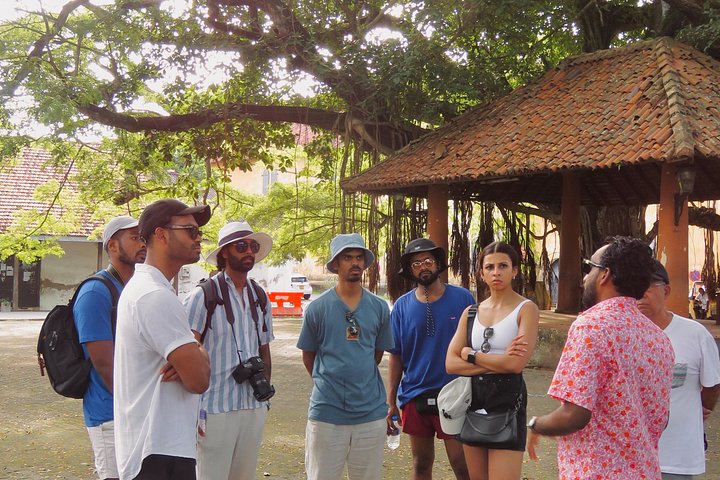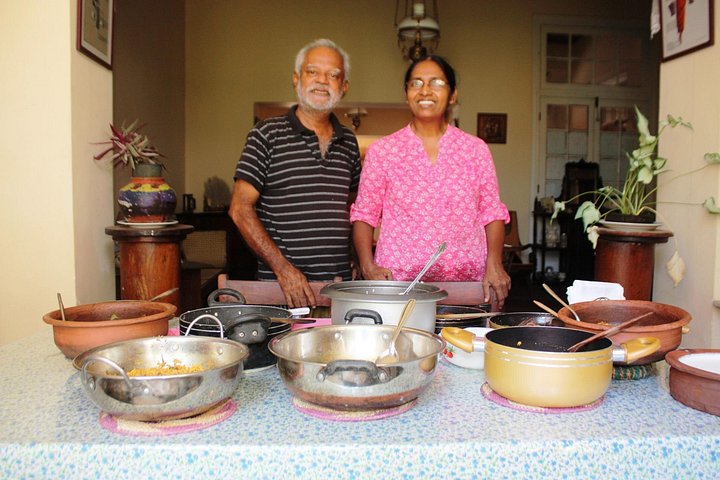
Sri Lankan food is among the most rewarding things to learn in Asia, and the south coast is a good place to learn it. A typical meal is a plate of rice surrounded by small bowls of curries, fresh sambols and crisp accompaniments, and the flavours come from coconut, curry leaves, pandan, tamarind, chilli and a roasted spice mix that varies from family to family. A cooking class lets you see how those layers are built, and one that begins at a market adds the sensory side: the colours, smells and bargaining that shape what ends up in the pot. This experience combines a market tour with a class inside Galle Fort. You start by walking through a local market with your host, learning to recognise unfamiliar vegetables, fish, spices and coconut products, and buying the ingredients for the meal. Then you move to a kitchen in the fort, where you prepare a set of dishes with guidance, usually including a few vegetable curries, a dhal, a sambol and sometimes a fish or chicken dish. Hands-on elements often include scraping fresh coconut, grinding spices and tasting as you go. The meal is the reward: you sit down and eat what you cooked, usually with a cold drink, and leave with the recipes and the confidence to recreate a Sri Lankan rice-and-curry at home. It is a sociable activity and a good choice for solo travellers as well as couples and families.
How it works
The class is booked in advance and runs on a set schedule. Check the product details for the start time, meeting point, group size, menu, dietary options and whether the meal is included, as these vary. Mornings are the usual choice because the market is at its best early.
What to expect
A short walk to the market, followed by a few hours in a kitchen in the fort. You will chop, grind, stir and taste, and the host will explain the spices and techniques. Vegetarian and vegan versions are often easy because so many Sri Lankan dishes are vegetable-based, but tell the operator about allergies in advance. Wear closed shoes in the market and clothes you do not mind splashing.
Making the most of it
Arrive hungry, ask questions about local ingredients you want to try elsewhere and take notes or photographs of the steps. Many hosts will show you how to make a rice-and-curry meal for two or four people at home using ingredients you can find abroad.
After the class, spend the afternoon wandering the fort with a full stomach, or rest at your hotel through the heat. If you enjoy the class, look for a street-food tour or a village cooking experience elsewhere on the coast, and keep in mind that spice levels are usually adjustable on request.
Practical extras
Sri Lankan home cooks often judge a dish by the freshness of its coconut, the aroma of its curry leaves and the balance of sour, sweet and hot, so listen for those cues as the host cooks. Ask about substitutes for ingredients that are hard to find abroad, and photograph the spice mix or the recipe sheet. Classes also make a nice rainy-day option, as most of the time is under cover.
What to expect
The experience
A guided market visit followed by a hands-on Sri Lankan cooking class in a kitchen inside Galle Fort, ending with a shared meal.
Best time
Morning, when the market is busiest and the kitchen is cooler.
How long
Around four hours including the meal; confirm the exact timing when you book.
Tips
Mention allergies and dietary needs in advance, wear closed shoes and come hungry.
Quick picks
- Best for
- Food lovers who want to learn rice and curry from scratch.
- Families
- Children who like helping in the kitchen will enjoy it; tell the host about heat preferences.
- Couples
- A fun shared activity that ends with a relaxed, home-cooked lunch.
- Pair with
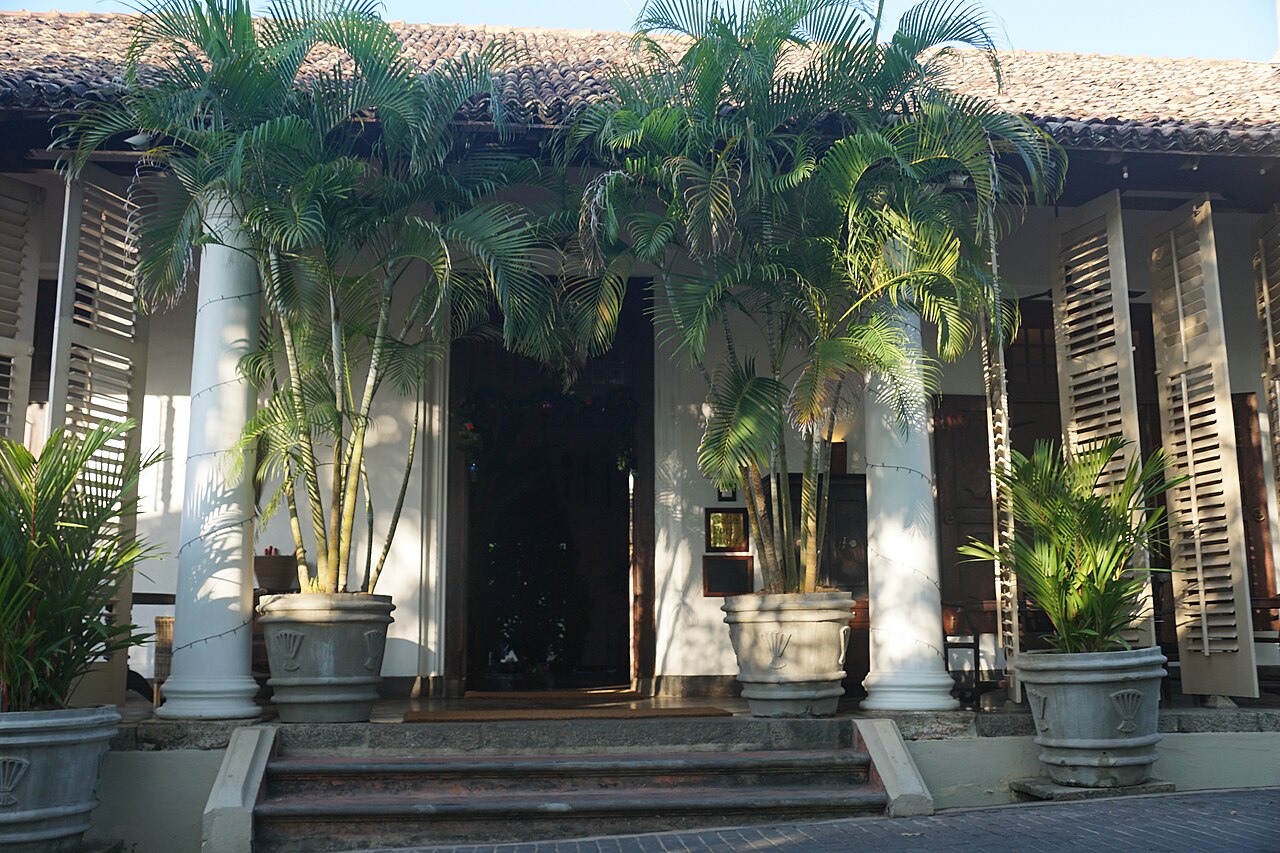
- A heritage walk the day before and a stay at The Galle Fort Hotel.
- Time needed
- A morning, around four hours.
Good questions
Do I need cooking experience?+
No. The class is designed for beginners and the host guides each step.
Can the class be vegetarian or vegan?+
Usually yes, because Sri Lankan cooking includes many vegetable and lentil dishes. Tell the operator in advance when you book.
Is the meal included?+
The class is built around eating what you cook. Confirm inclusions, including drinks, in the product details when you book.
How spicy is the food?+
Spice levels can usually be adjusted. Ask the host to keep it mild if you are sensitive to chilli.
What should I wear?+
Comfortable clothes, closed shoes for the market and a hat or sun protection for the walk.