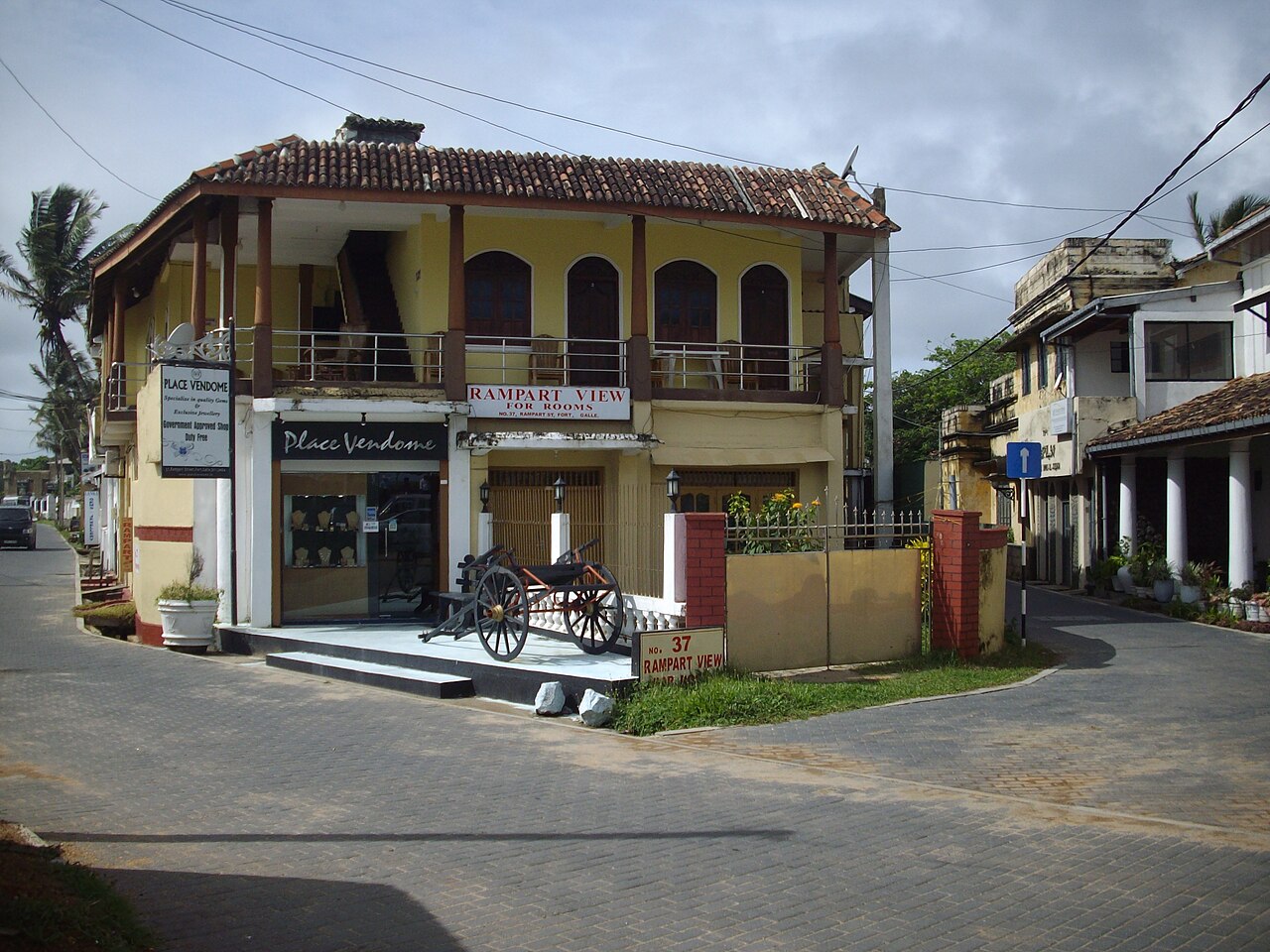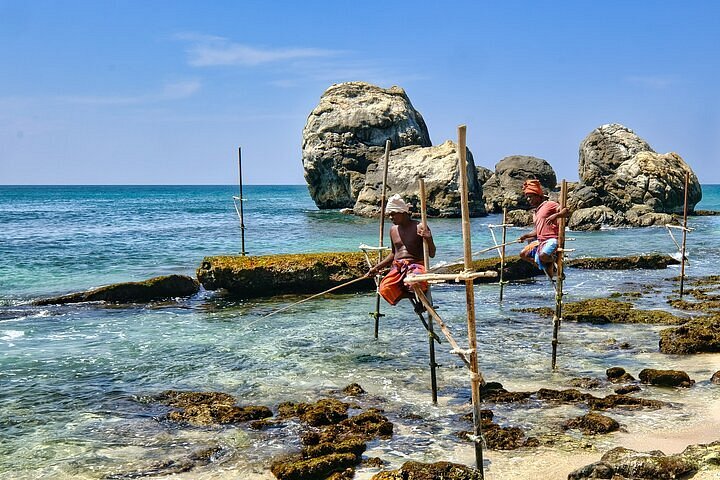
Two images define the south coast of Sri Lanka in the minds of most visitors: fishermen perched on wooden poles in the surf, and baby turtles heading for the sea. Both are within a short drive of Galle, and a day trip that strings them together with a visit to the fort is a good way to see the highlights of the coast without planning each stop yourself. Stilt fishing is a tradition rooted in the south, between Ahangama and Weligama, where men sit on a cross-bar tied to a vertical pole planted in the shallows, casting lines for small fish. The practice developed as a way to use shallow reef water, and today only a small number of fishermen still work this way, many of whom now pose for photographs for a fee. Treat it as a cultural display as much as a fishing method, and keep in mind that tips and photos are often negotiated on the spot. Turtle hatcheries along the coast protect nests from poachers and predators, keep eggs in sand pens and release hatchlings into the sea. They are also places where visitors can see turtles of different ages in tanks, and some are better run than others. Look for hatcheries that release hatchlings promptly, do not keep turtles for long periods and explain the conservation work honestly. A good operator will choose responsible stops.
How it works
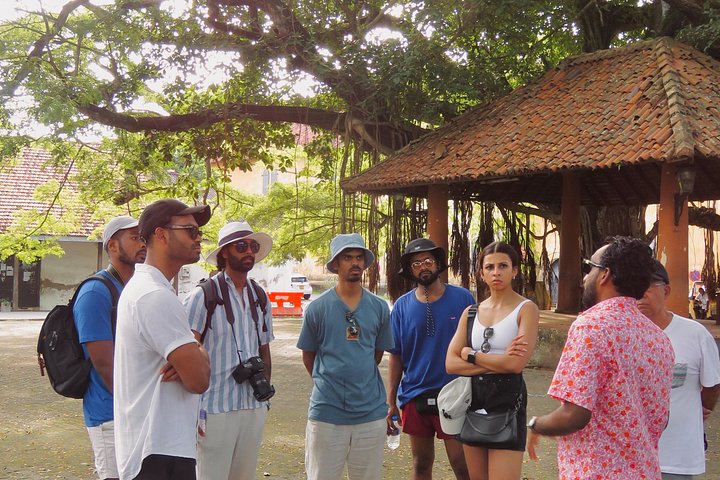
This is a full-day tour booked in advance, usually with a private vehicle or shared transport and a driver-guide. Check the product details for the pickup area, itinerary, group size, whether entry fees and lunch are included and the ratio of fort time to coastal stops.
What to expect
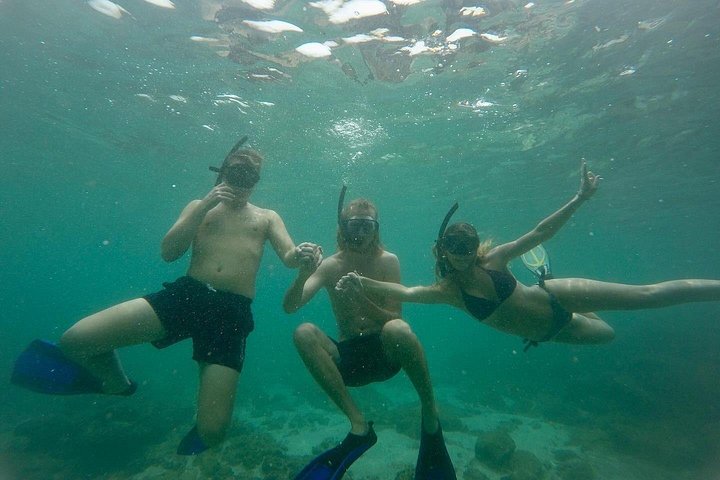
A day of short drives and stops, usually beginning with the coast road and the stilt fishermen, then a hatchery, a river or lagoon, and ending with time in Galle Fort. You will be outdoors in strong sun, so bring sunscreen, a hat, water and a swimsuit if beach time is possible. Responsible tourism matters here: ask your guide about how the hatchery is run, avoid handling turtles and consider donating to conservation instead of paying for a photo.
Making the most of it
Choose a dry-season date, from about December to March, when the sea is calm and the light is clear. In the wetter months, the surf can be rough and stilt fishing less frequent. If you want more time in the fort, ask about a shorter coastal section or plan a second visit on your own. Combine this with a heritage walk or a cooking class the next day to balance the busy drive. Tipping the driver-guide is customary and appreciated.
Practical extras
Because this is a long day, it helps to agree early on the order of stops and the time you want to be back, and to ask the driver-guide to include a proper rest and meal break. Carry small notes for tips and entry donations, and a light cover-up for the fort. Children often enjoy the hatchery most, so keep a little energy for it. If a stop feels crowded or rushed, ask the driver-guide to move on, since the coast has plenty of quieter alternatives.
What to expect
The experience
A full-day coastal excursion with stilt fishermen, a turtle hatchery and time in Galle Fort.
Best time
The calmer, drier months from about December to March.
How long
A full day; confirm start and finish times when you book.
Tips
Pack sunscreen, a hat and water, and ask how the hatchery is run before you pay for photos.
Quick picks
- Best for
- First-time visitors who want the classic coastal sights in one day.
- Families
- Children love the hatchery and the beaches; the day is long, so pack snacks.
- Couples
- Ask for extra time at the fort at the end of the day for a sunset walk.
- Pair with
- A heritage walk the next morning and a night at the Hotel J Unawatuna.
- Time needed
- A full day.
Good questions
Is stilt fishing real or staged?+
Both. A small number of fishermen still fish this way, but many now pose for photographs for a fee, so treat it as a cultural demonstration.
Are turtle hatcheries ethical?+
Quality varies. Look for those that release hatchlings promptly, do not keep turtles for long and explain their work. Ask your guide before you go.
Is lunch included?+
Check the product details when you book to see whether lunch, drinks and entry fees are covered.
Is the day suitable for children?+
Yes, though it is long. Bring snacks, water and sun protection.
When is the best time to go?+
The drier months from about December to March have calmer seas. Stilt fishing is less common when the sea is rough.