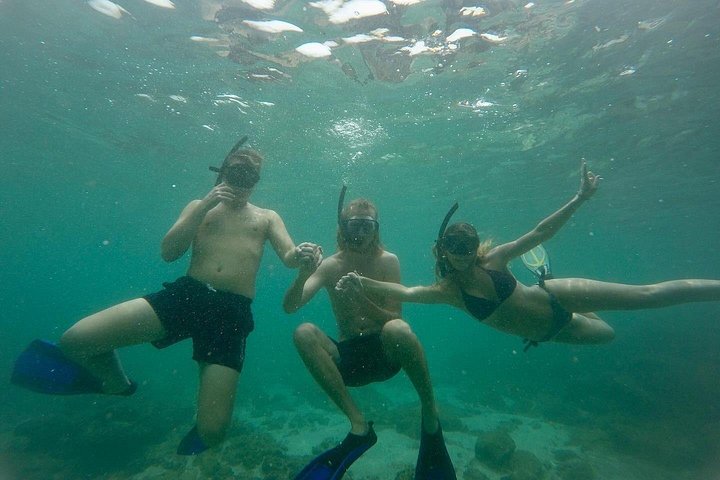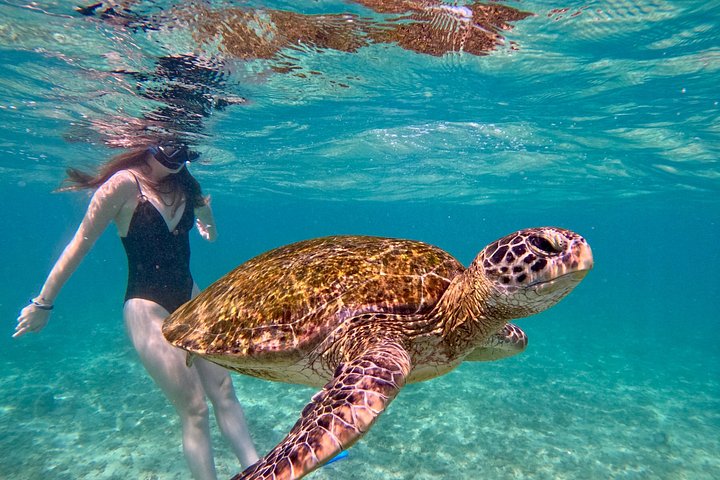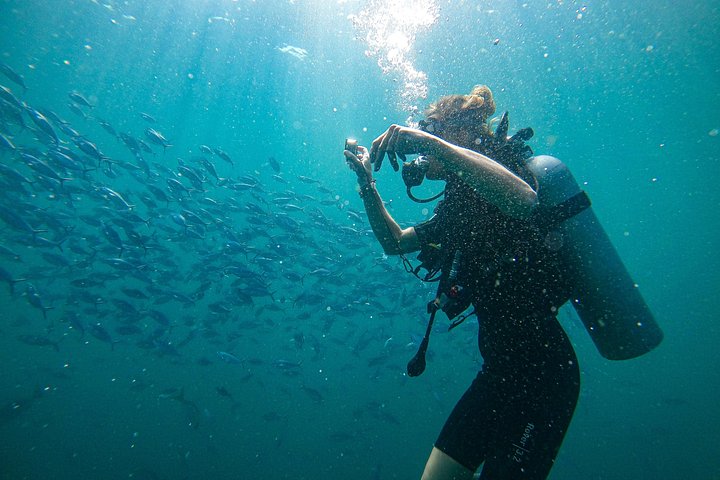
Unawatuna Bay is a natural classroom for beginners. The curve of the bay and the headland of Rumassala at its western end soften the swell for much of the year, the water is warm enough to dive in a thin wetsuit or even a rash vest, and a handful of dive centres on the beach have been teaching newcomers here for decades. A discover scuba session is the quick way in: no certification needed, no long theory course, just a briefing, some practice in shallow water and a guided dive led by an instructor. The format is simple. You meet at the dive centre, fill in a medical questionnaire, learn the basic hand signals and how to breathe, clear your mask and equalise your ears, then walk or boat out to the dive site. In the water, the instructor stays within reach, controlling buoyancy and depth while you look around. Sights vary with conditions but typically include patches of coral and rock, schools of small reef fish, sea urchins, moray eels in crevices and the occasional turtle or ray. Depths are modest and visibility depends on the season and recent weather. The attraction of a discover dive is the sense of freedom: breathing underwater and drifting weightlessly above a reef is unlike anything on land. It is a good way to find out whether you want to continue with a full open water course, and many visitors do exactly that after a successful first session.
How it works
The session is booked in advance for a morning or afternoon slot. Check the product details for the duration, group size, instructor ratio, equipment, whether photographs are included and the minimum age. You must declare medical conditions such as asthma, heart problems, ear trouble or pregnancy, and some will require a doctor’s sign-off. Do not fly for at least 18 to 24 hours after diving, so plan your itinerary around departure dates.
What to expect
A half-day activity, with most of the time spent on briefing, kit-up and surface intervals and perhaps 30 to 45 minutes underwater. The dive is shallow and gentle, with the instructor holding your hand or vest as needed. You will not need to swim strongly, but you must be comfortable in water and able to follow instructions. Bring swimwear, a towel, sunscreen and a change of clothes. Avoid alcohol the night before, and eat lightly in the morning.
Making the most of it
The best diving conditions on the south coast run from about November to April, when the sea is calmer and visibility is better. During the southwest monsoon, dives may be cancelled or restricted, so book flexibly. If you enjoy the experience, ask about the next step, such as an open water certification, which many centres offer over several days.
Respect the reef by keeping fins off the bottom, and ask about the centre’s environmental practices before you commit. Combine a dive with an afternoon in Galle Fort for a full and varied day.
Practical extras
Expect to be asked to sign a waiver and a medical form, and bring a photo ID if the dive centre requests it. Cameras on dive boats are sometimes available for hire, and many centres sell video of your dive. If you wear glasses, ask about prescription masks, and if you have a cold or blocked sinuses on the day, say so, because equalising can be painful. A calm, unhurried attitude matters more than strength or fitness.
What to expect
The experience
A guided introductory dive in Unawatuna Bay with briefing, shallow practice and an instructor at your side.
Best time
Morning, in the calmer months from about November to April.
How long
Around three to four hours in total, with roughly 30 to 45 minutes underwater.
Tips
Declare medical conditions, avoid flying for at least a day after diving and eat lightly beforehand.
Quick picks
- Best for
- Curious first-timers who want to try diving without a full course.
- Families
- There is usually a minimum age, so check before booking; teenagers who swim confidently often qualify.
- Couples
- A memorable shared experience, followed by lunch on the beach.
- Pair with
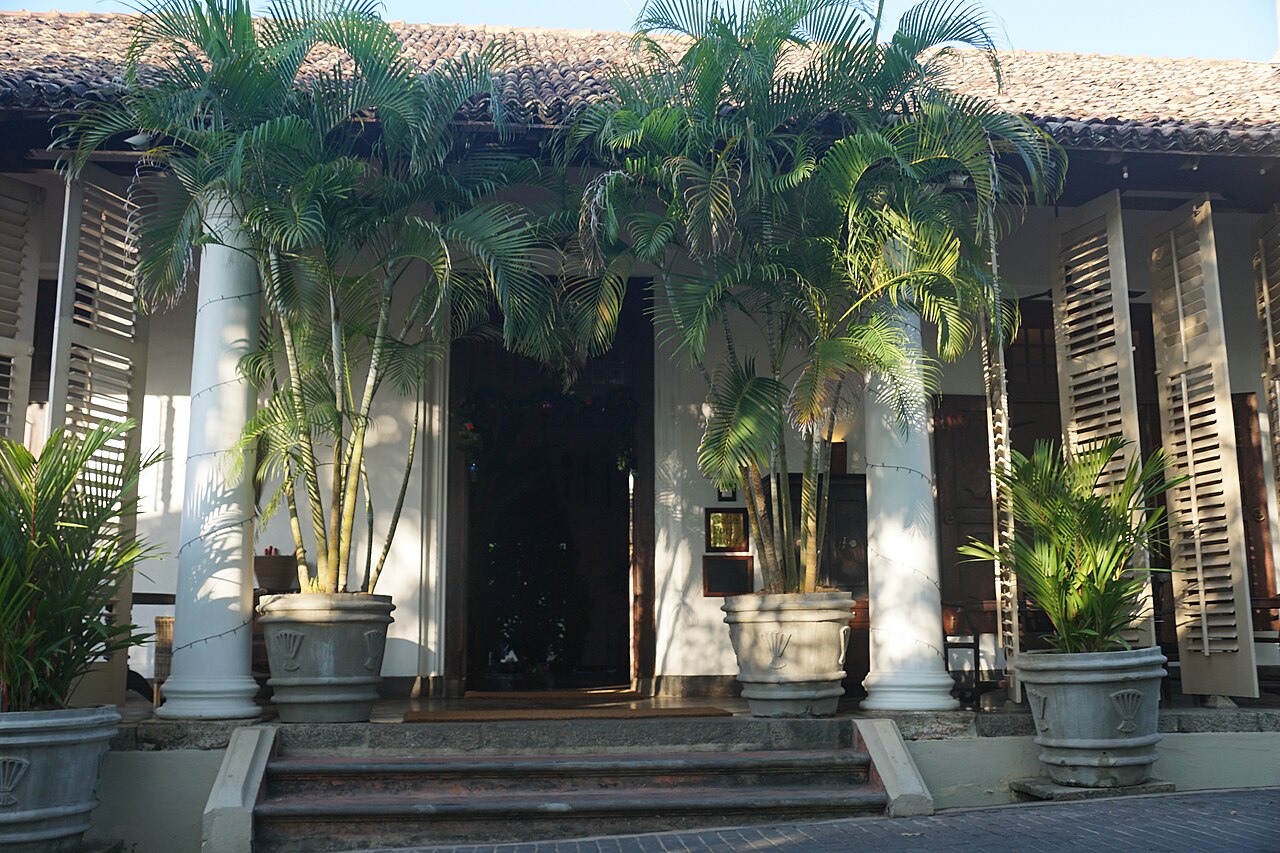
- A snorkeling trip to Rock Island or a night in the Hotel J Unawatuna.
- Time needed
- Half a day.
Good questions
Do I need to be certified?+
No. A discover scuba session is for beginners and is led by an instructor who stays with you throughout the dive.
How deep will I go?+
Introductory dives are shallow, and your instructor decides the depth according to conditions and your comfort.
Is there a minimum age?+
Yes, and it varies by dive centre. Check the product details or ask the operator before booking.
Can I fly after diving?+
Allow at least 18 to 24 hours between diving and flying, so avoid booking a dive on your departure day.
What if the sea is rough?+
Dive centres cancel or reschedule when conditions are unsafe. This is most likely during the southwest monsoon.