Geneva is known as one of Europe’s most expensive cities, but a clever visitor can see a great deal for very little. The trick is to build your days around the sights that cost nothing, use the transport card that comes with your room, and choose when and where to eat. Here is how to do it.
Start with the free sights
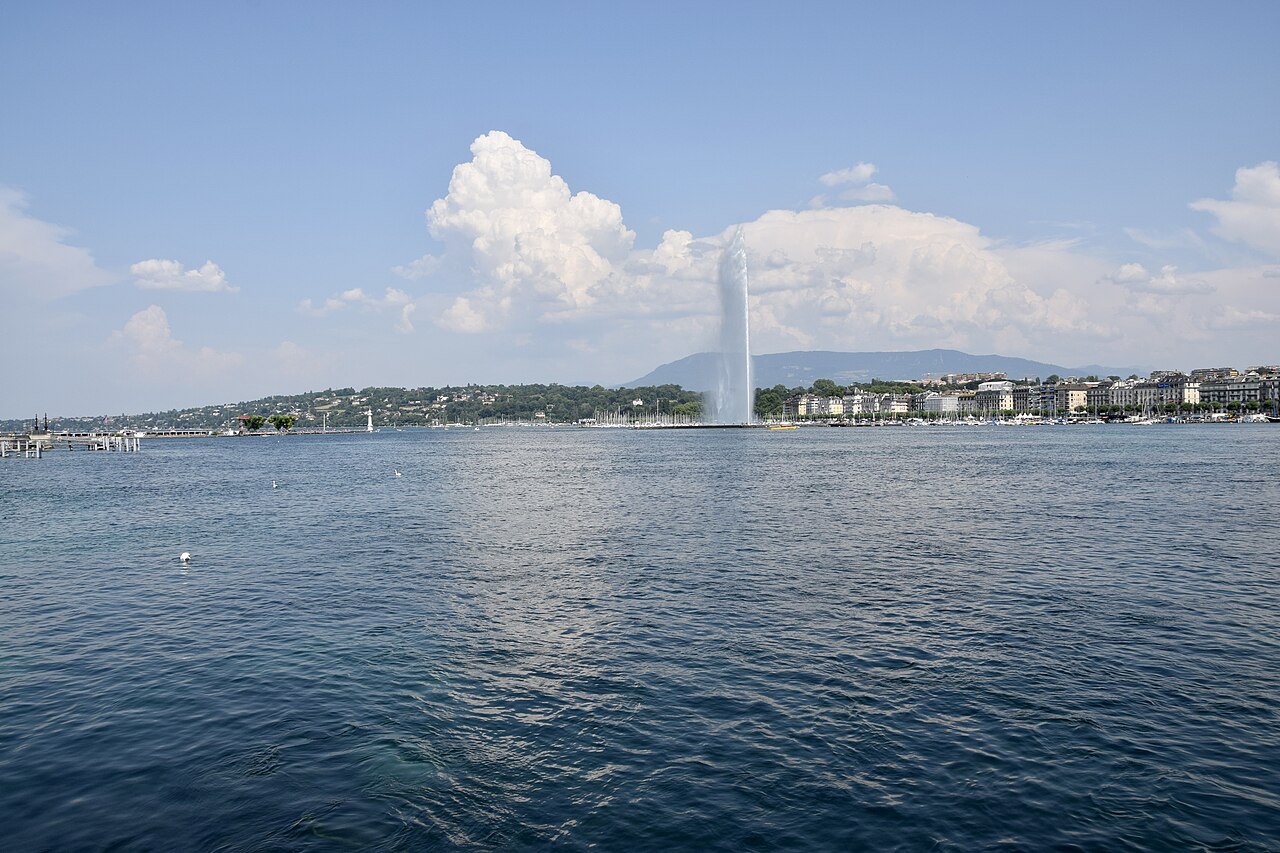
Some of Geneva’s best experiences are free. The CERN Science Gateway, with its interactive exhibitions and guided tours, charges no admission. The Jet d’Eau and the lakefront promenade cost nothing, and neither does the Parc des Bastions, where the Reformation Wall stands. The Old Town can be wandered for free, and the cathedral’s interior is open to visitors, with a modest charge only for the towers and the archaeological site. The Bains des Pâquis offers a swim in summer for a small fee. In the Riviera, the Lavaux vineyard paths and the Montreux promenade cost nothing either. In Annecy, the old town and the canals are free to explore.
Use the free transport card
Hotels in Geneva give guests a free transport card for the length of their stay, covering trams, buses, local trains and the yellow lake shuttles. This one perk saves a significant amount and is the reason a hotel outside the centre can still be good value. Use it to reach CERN on tram 18, the Palais des Nations and the lake. Ask for the card when you check in, and remember that it covers Geneva only, so day trips to Lausanne or Montreux need a separate ticket.
Choose low-cost museums
Several museums are modestly priced. The Museum of Art and History runs on a pay-what-you-wish basis, so you decide what to give. The Patek Philippe Museum has a low admission charge and free entry for children under 18, and the Red Cross Museum offers reductions and late opening on Thursdays. Check for free days and for passes if you plan to visit several attractions, because a city pass or a Swiss travel pass can reduce the cost of some entries.
Eat smart
Restaurant dinners are the largest expense, so make lunch your main meal. Weekday lunch menus in Geneva offer a starter, main course and dessert for much less than the same restaurant’s dinner menu. For picnics, buy bread, cheese, fruit and cold cuts at a market or supermarket and eat on a bench by the lake. The Pâquis district has inexpensive international restaurants and takeaways, and the Bains des Pâquis serves simple, cheaper food on the pier. Drink tap water, which is excellent, and skip bottled drinks. Service is included in the bill, so tipping is optional.
Stay in the right place
Accommodation is the other big cost. The Hotel Bel’Esperance, run by the Salvation Army on the edge of the Old Town, is one of the best-value stays in the city, with simple rooms, family rooms, a guest kitchen where you can prepare your own meals, breakfast, and a terrace over the roofs. Mid-range hotels by the station, such as the Hotel Cornavin, are practical, and winter outside the big events often brings lower rates. Prices rise sharply during major conferences and trade fairs, so check the calendar before you fix your dates.
Sample plan
Spend a morning at CERN, then picnic by the lake, walk through the Parc des Bastions to the Reformation Wall and climb into the Old Town. Next day, visit the Museum of Art and History, take lunch from a bakery and spend the afternoon on the lakefront, ending with sunset at the Bains des Pâquis. On a third day, take the train to Lausanne or Montreux for a promenade walk.
Final tips
Book trains in advance when you can, travel outside peak weekends, and avoid exchanging currency at airports. Cards are widely accepted, but carry a little cash for markets and small cafés. Pick one paid highlight, such as the boat tour or a guided UN tour, and balance it with free days. With careful planning, Geneva is far more affordable than its reputation suggests. Finally, look at the shoulder seasons of spring and late autumn, when rooms cost less, crowds are thinner and the lake and the mountains are often at their clearest, and keep a small reserve for one treat, such as a fondue evening, so the trip feels rewarding as well as thrifty.