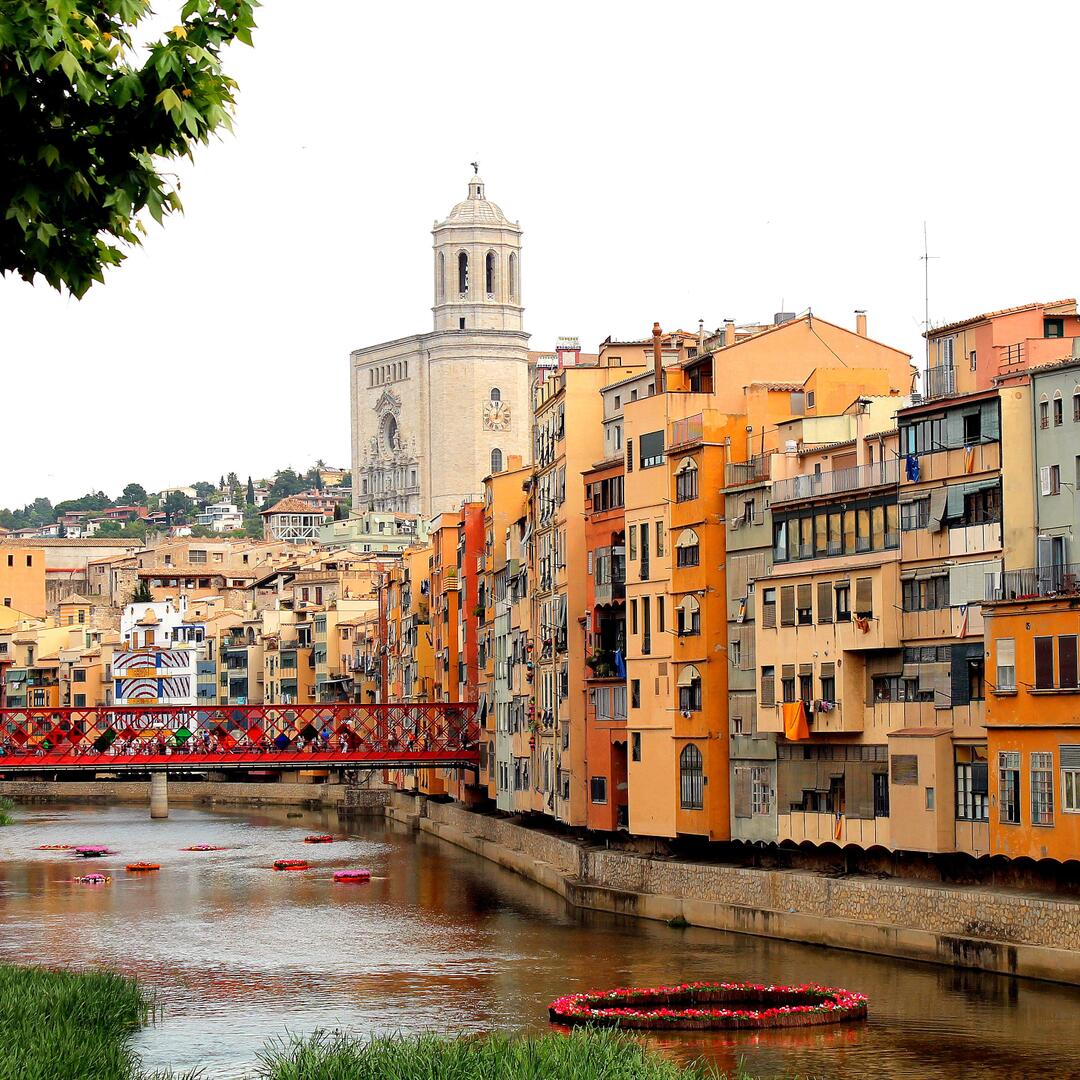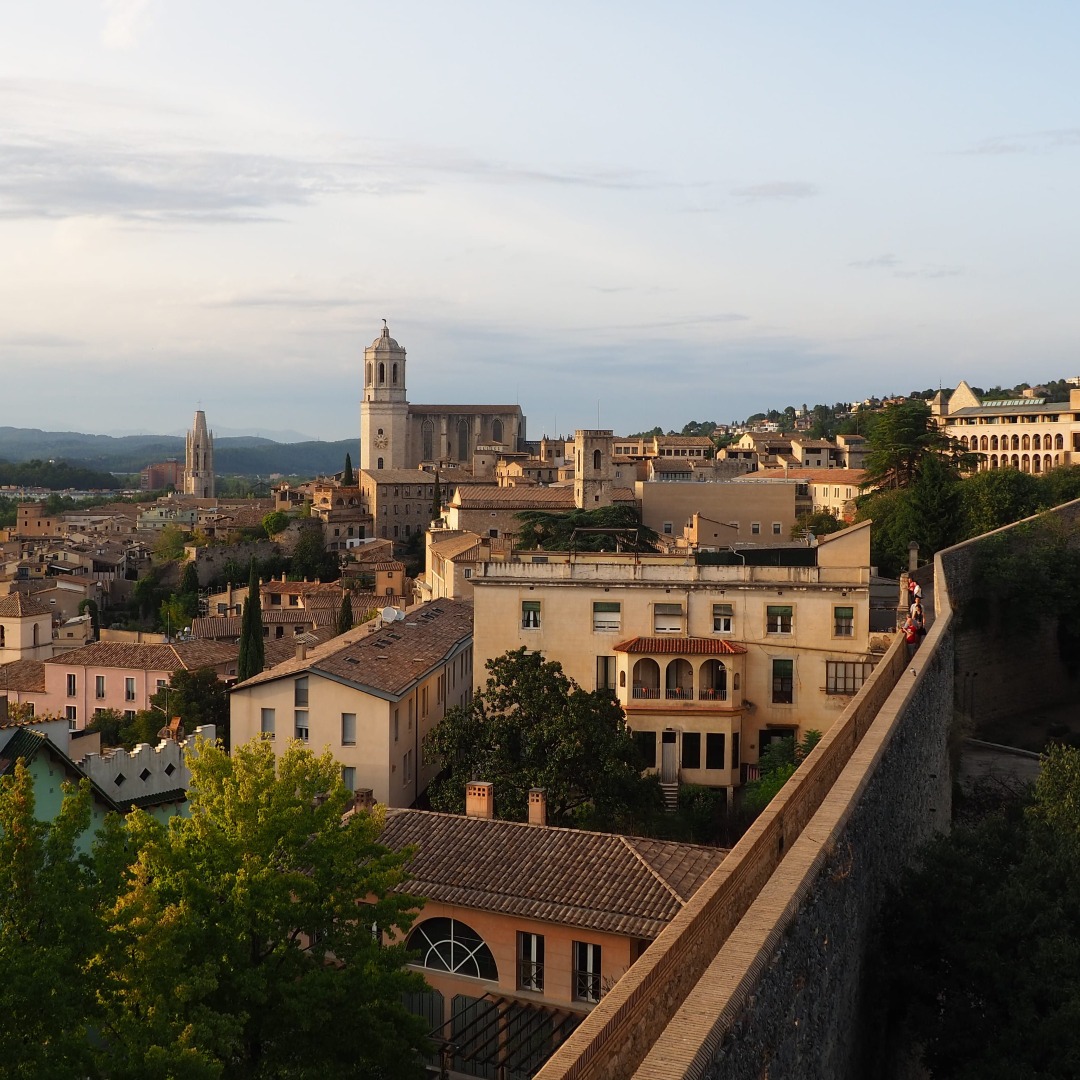
El Call is a tangle of narrow alleys, steps and doorways rising behind the cathedral, and it is the quietest, most atmospheric part of Girona. For six centuries a Jewish community lived here, building a scholarly tradition that produced the Kabbalah school of Girona and the great rabbi and physician Nahmanides, also known as Ramban. After the expulsion of 1492 the quarter was absorbed into the Christian city and fell silent, then was rediscovered through careful restoration in the late twentieth century. A guided walk gives context that wall plaques cannot: where the synagogue stood, how the lanes were closed off at night, what the stones above the doorways record. This small-group heritage tour is led by a local guide and keeps to a relaxed pace, ideal if you want the story before you wander alone.
The guide usually starts near the cathedral and drops into Carrer de la Força, the old Roman road that formed the spine of the quarter. Here you learn why Girona's Jewish community lived in a self-contained district: it was both a protected enclave and a space of cultural independence, with its own school, butchers, baths and place of worship.
Mezuzah marks can still be traced beside some old doorframes, and the guide will point out the tiny details that most visitors walk past. The pace is deliberately slow, because the alleys are narrow and the stories are layered, from the medical and astronomical knowledge of the scholars to the tragic events of 1391 and 1492.
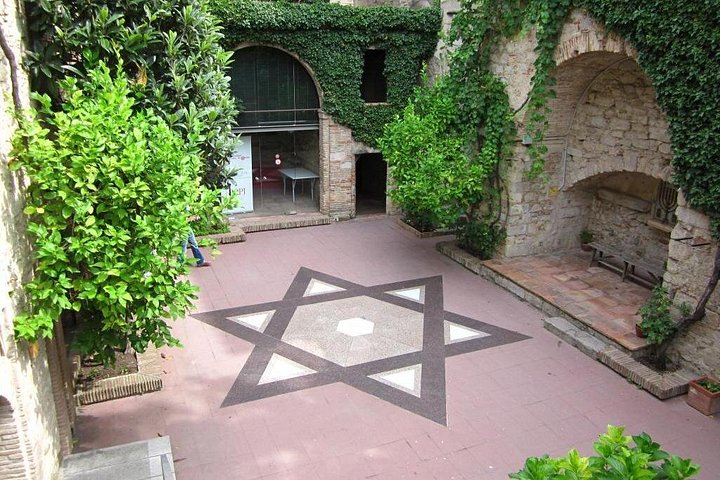
A highlight is the Bonastruc ça Porta centre, a museum and research institute named after the Catalan form of Nahmanides' name. It sits on the site of the medieval synagogue and displays a collection of tombstones, objects and documents that bring the community's daily life into view. Ask your guide how the building was identified and what is known and unknown about its original use.
The tour also explains the Kabbalah tradition associated with Girona and why scholars from across Europe once came to study here. You do not need background in Jewish history to follow it; the guide builds the story from the ground up.
Practical details help. Wear shoes with grip, because the steps are worn smooth, and bring water in summer since shade is limited at midday. Early morning or late afternoon groups tend to be smaller and the light on the stone is better. The walk fits neatly before or after the cathedral, and many visitors follow it with lunch in the nearby Plaça del Vi or a coffee on the steps.
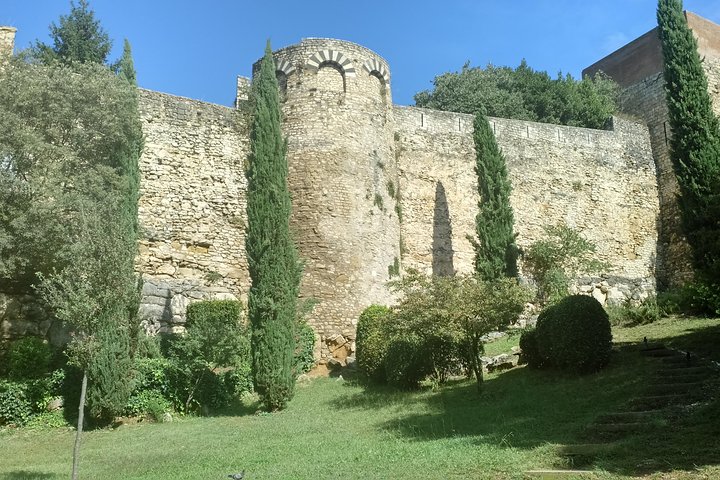
Because the alleys are public streets, you can retrace the route on your own afterward. Families with children over about eight usually cope well; younger children may tire of the history, so consider pairing it with the city walls the same day.
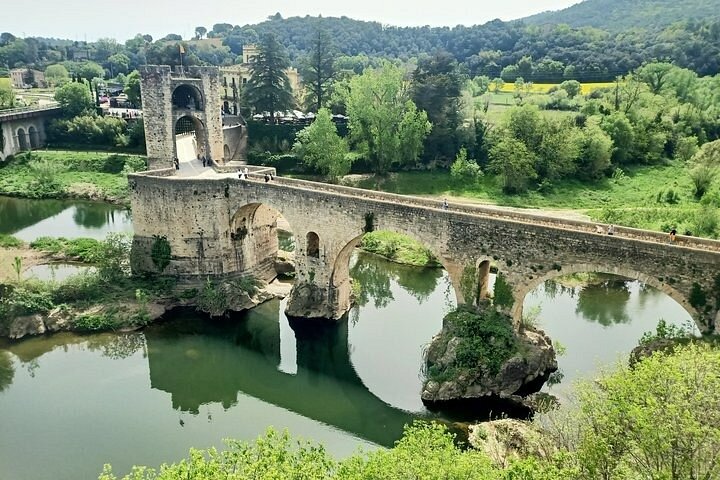
Allow time afterward for the quieter streets that lead toward the Pujada de Sant Domenec, where the old stone is least touched by shop fronts. Many visitors say the quarter feels most moving at the edges of the day, when tour groups thin out and the sound of footsteps carries between the walls. If you are curious about the broader Catalan Jewish story, the guide can recommend a follow-up visit to Besalu, where a rare medieval ritual bath survives beside the river.
What to expect
The experience
A guided small-group walk through El Call, the medieval Jewish quarter, with stops at the key alleys and the Bonastruc ça Porta centre.
Best time
Early morning or late afternoon, when the lanes are quiet and the stone looks warm.
How long
About two hours at a gentle walking pace; confirm the length when you book.
Tips
Wear sturdy shoes for stepped streets. Ask the guide about Nahmanides and the Kabbalah school, and take a moment for the quiet corners the groups skip.
Quick picks
- Best for
- History lovers and first-timers who want the story behind the stones.
- Families
- Best for children eight and over; younger ones may prefer the city walls.
- Couples
- A peaceful, atmospheric walk with plenty of photo stops.
- Pair with
- The cathedral pass, lunch near Plaça del Vi, and the Arab Baths.
- Time needed
- Two hours, plus time to linger.
Good questions
What is El Call?+
El Call is the old Jewish quarter of Girona, a compact area of narrow lanes behind the cathedral where the community lived until the expulsion of 1492.
Who was Nahmanides?+
Moses ben Nahman, known as Nahmanides or Ramban, was a thirteenth-century rabbi, physician and scholar born in Girona and central to the city's Jewish heritage.
Is the Bonastruc ça Porta centre included?+
Check the tour details for entry arrangements. The centre is a key stop on most walks, and your guide will explain the museum and its collection.
Can I do this walk without a guide?+
Yes, the streets are public and signposted, but a guide supplies the stories that bring the stones to life.
Is the route accessible?+
The alleys are steep and stepped in places, so it is not suitable for wheelchairs. Ask the operator about alternatives if you have mobility needs.