Girona punches above its weight in food. It is the hometown of one of the world's most famous restaurants, but the real pleasure is the everyday table: bakeries, market stalls, tapas bars and family restaurants serving Catalan classics. This guide explains what to eat, when, and how to find the best of it without a reservation at a three-star kitchen.
The Catalan rhythm
Breakfast is light, often coffee and a pastry. Lunch is the main meal, usually from one to three in the afternoon, and many restaurants offer a set menu of the day with a starter, a main course, dessert and a drink at a reasonable price. Dinner is late, often after nine, though tourist areas serve earlier. Between meals, vermouth hour at around noon on weekends is a tradition, and tapas bars fill in the evening.
What to try
Start with pa amb tomaquet, bread rubbed with tomato and olive oil, served with cured ham, sausage or cheese. Look for botifarra, the local sausage, with white beans, and for escalivada, smoky roasted vegetables. Seafood from the nearby coast appears in rice dishes, stews and grilled plates; the suquet de peix is a fisherman's stew, and the anchovies of L'Escala are famous. From the mountains come mushrooms, game and hearty stews. For a sweet finish, try crema catalana and the xuixo, a fried, cream-filled pastry that is a Girona speciality.
The market and the bakeries
Wander the covered market area in the morning to see seasonal produce, and visit bakeries for fresh bread and pastries. A guided food and market tour is the quickest way to learn the names and the shops, and it works as a planning session for the rest of your meals. Ice cream by the Roca family has become a local pilgrimage, and queues form on warm evenings.
Wine
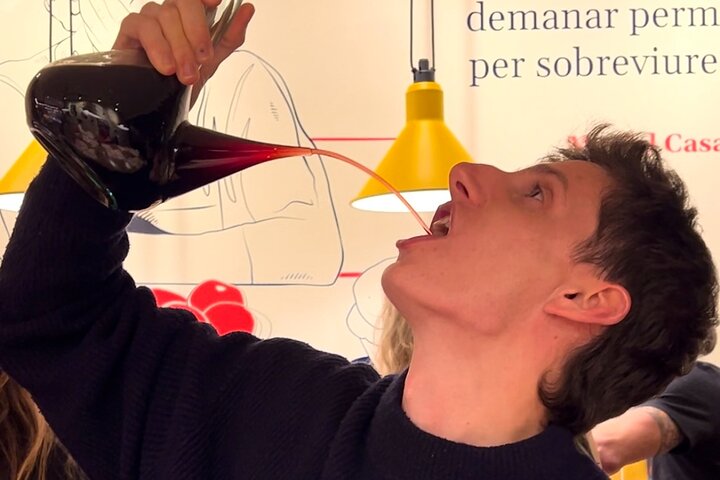
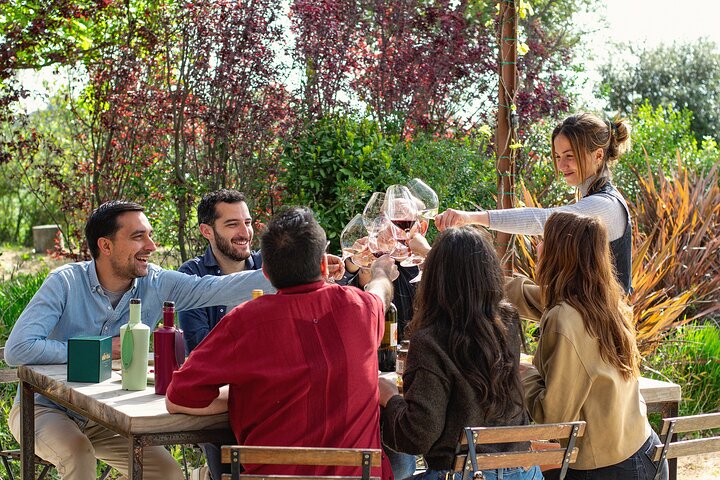
The Emporda region produces reds based on Grenache and Carignan, plus fresh whites and rosés. The Tramuntana wind concentrates the grapes and shapes the character of the wines. A vineyard walk and tasting is a simple way to understand them, while wine bars in the old town serve local bottles by the glass. Try a glass with grilled meat or a rice dish, and ask for the house recommendation. Beyond wine, look for vermouth on ice with an olive and a slice of orange, and for cava from the nearby Penedes region.
Where to eat
In the old town, small bars and restaurants tuck into lanes and squares, often with a limited menu. On the Rambla and in the Mercadal, there are lively terraces and larger kitchens. For a special occasion, book well ahead for the best-known restaurants, and consider lunch rather than dinner for a slightly lower price. An evening tapas tour is a good first night, giving you a list of places to return to.
Dietary notes
Catalan cuisine is meat-heavy, but vegetarians can eat well on vegetable dishes, tortillas, salads and cheese. Ask for sin carne or sin pescado, and say clearly if you have allergies. Many restaurants will adapt, particularly if you speak up at the start. Tipping is modest: rounding up or leaving small change is common.
Practical tips
Some restaurants close on Sundays evenings or Mondays, and many shut for a break between lunch and dinner, so check hours. In summer, book terraces for dinner, and in winter, embrace the hearty menu. Carry water on tours and never underestimate the strength of local portions. Finally, leave room for the unexpected: a bakery with a line, a market stall with a tasting, a grandmother's recipe on a handwritten board.
A sample day
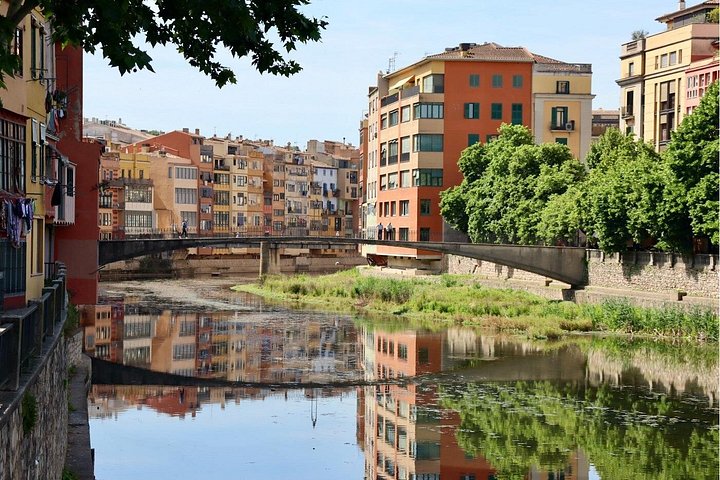
Begin with coffee and a pastry from a bakery, then browse the market. Take an early lunch, perhaps a menu of the day with a rice dish or a grilled fish. Mid-afternoon, enjoy a pause with ice cream or a coffee on a square. Early evening is the moment for vermouth and a few small plates, then walk the river before a late dinner. If you cook, a picnic of bread, cheese, tomatoes, olives and cured sausage from the market is a classic lunch for a day trip, eaten with a view of the sea or the vineyards.
Souvenirs
Good edible gifts travel well: a bottle of Emporda wine, olive oil from the Emporda groves, tins of anchovies from L'Escala, a cured sausage vacuum-packed at a charcuterie, or a box of pastries for the train. Ask shops about packing for flights.