Girona is a city you can see in a day and enjoy for a week. Three days is the sweet spot: enough to walk the old town without hurrying, enough to add one big day trip, and enough to taste the food. This plan assumes you stay in the old quarter or the centre and use trains, buses or a guided tour for the day trips. It keeps the heavy booking decisions up front, because the Dali sites and small-group tours sell out in high season.
Before you arrive
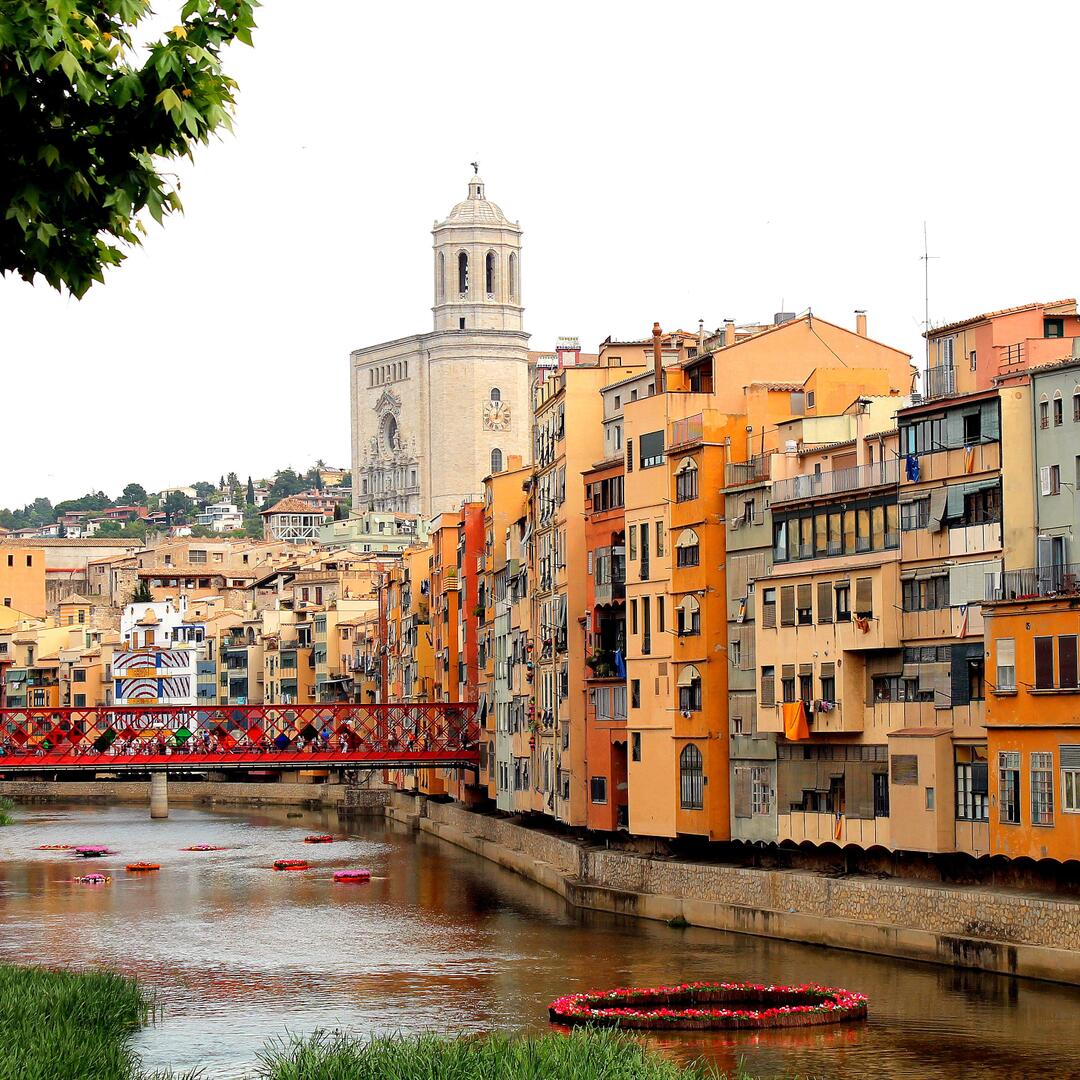
Reserve three things: your Dali day trip, a time slot for the Portlligat house if you plan to go independently, and a table for dinner on at least one night. Buy the cathedral pass on arrival or in advance, and check the opening days of the museums, since several close on one weekday. Travel light, because the old town is steep and cobbled. If you are arriving from Barcelona, the high-speed train takes under forty minutes, and the walk from the station to the Onyar bridges is short.
Day one: the old town
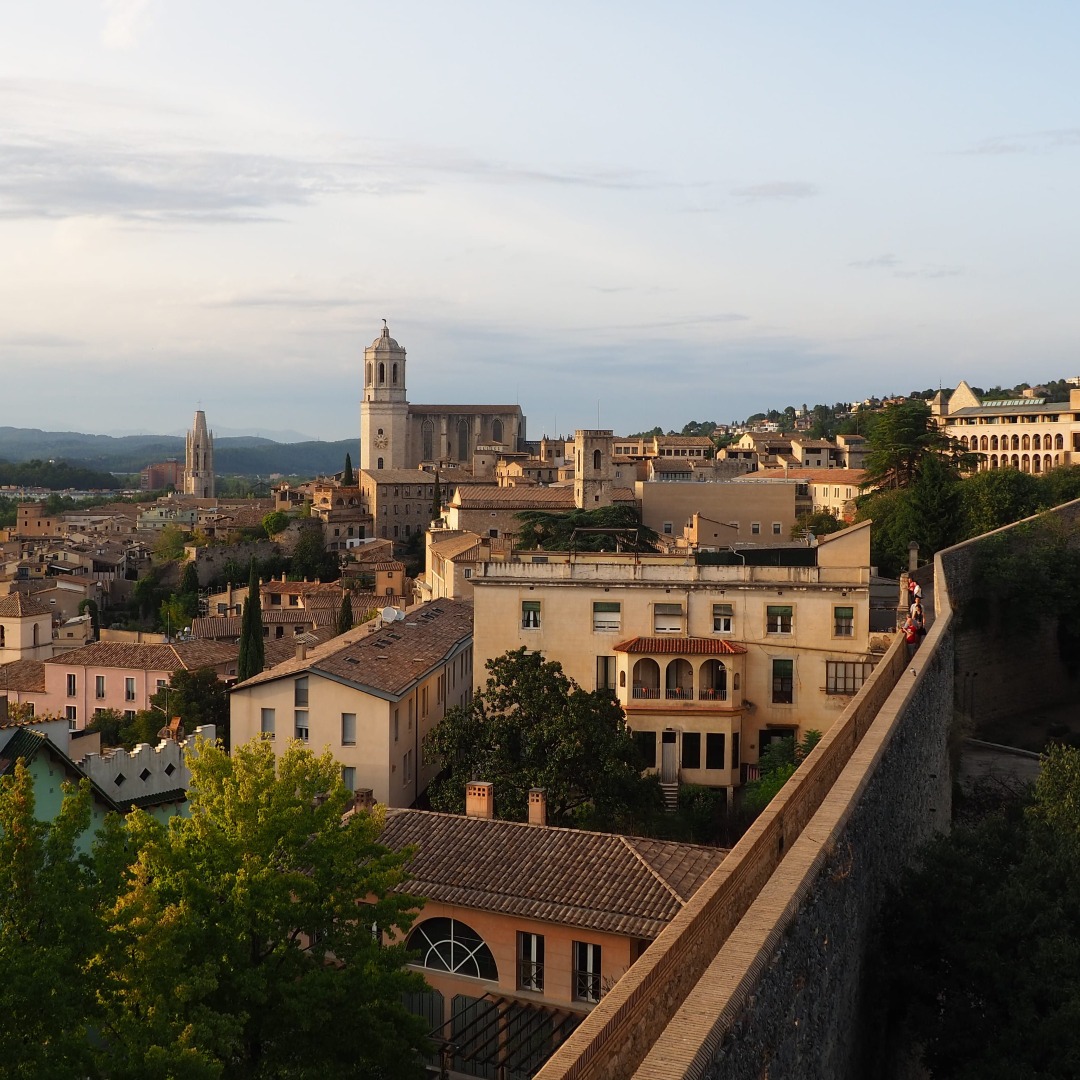
Start at the cathedral early, before the groups arrive, and climb the Baroque staircase for the view. Use the pass to see the cathedral, the cloister and treasury, the Sant Feliu basilica and the Art Museum, which will take most of the morning. Have lunch in the Plaça del Vi area or at a menu of the day on the Rambla. In the afternoon, take the Jewish Quarter tour and the Arab Baths, then walk the city walls at golden hour. Finish with a wine bar and tapas in the old quarter, and walk the Onyar bridges after dark when the houses are lit.
Day two: Dali and the plain
Spend the day in Figueres and the surrounding area. The simplest option is a small-group tour that pairs the Dali Theatre-Museum with a Girona walk or the wider Dali Triangle, so entry, transport and context are handled. If you prefer independence, take the train to Figueres, book the museum in advance and allow at least two hours. Add the toy museum or the Rambla for lunch. Return to Girona for an evening at the Film Museum if it is open, followed by dinner. If you want a lighter day, replace Figueres with the medieval villages of Pals and Peratallada, which are slower and more rural.
Day three: the coast
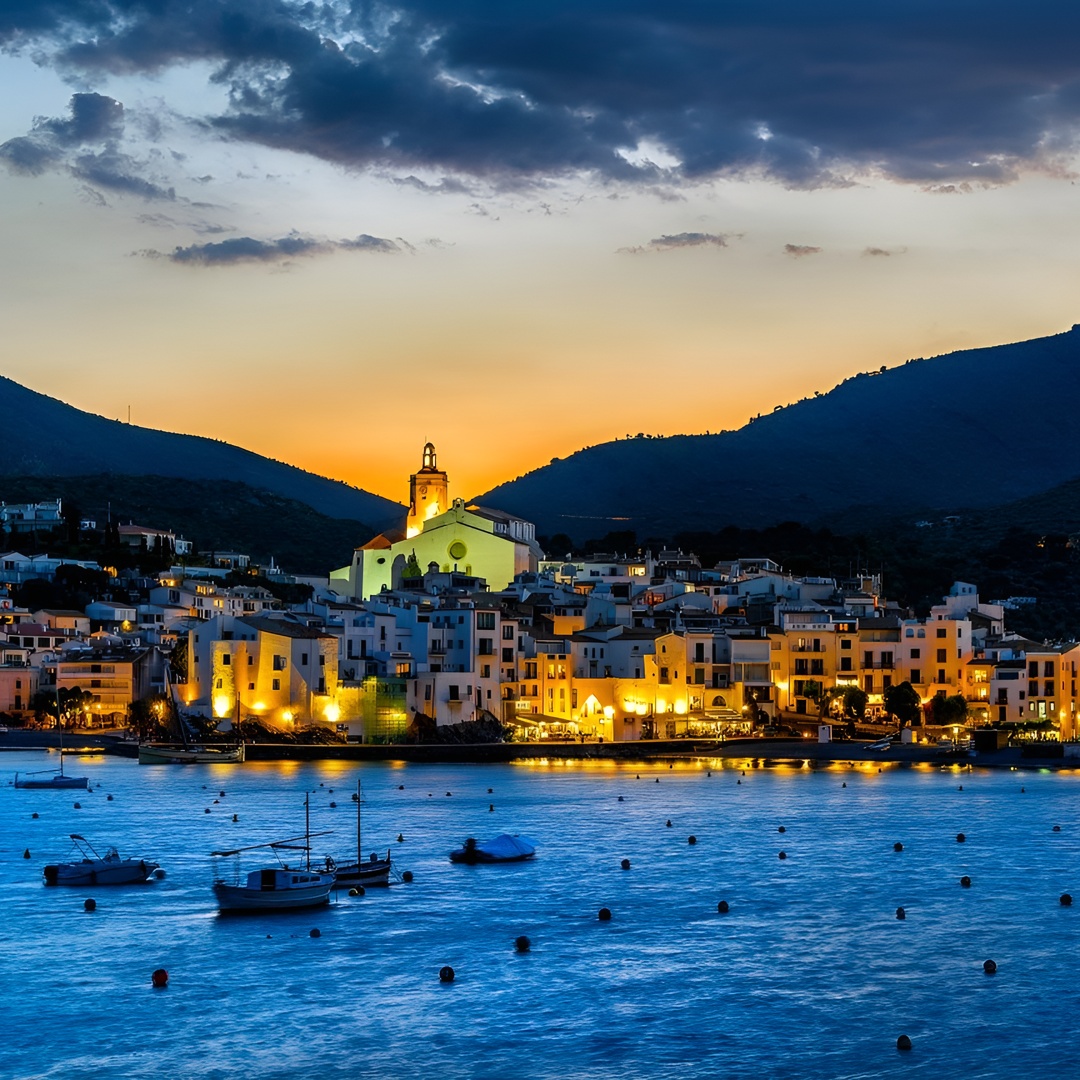
Choose between Cadaques, Tossa de Mar and the Medes Islands depending on your interests. Cadaques is the most scenic and the longest drive, and works well with the Dali house. Tossa is easier, with a walled old town and a long beach. The Medes Islands boat trip suits families and nature lovers. If you have a car, build a loop that includes a village, a cove and a seafood lunch. Return in time for a last stroll through the old town and a final dinner, perhaps at one of the restaurants that has made Girona a food destination.
The honest adjustments
If you are travelling with children, swap the Jewish Quarter for the Film Museum and add a swim at Tossa. For food lovers, add the market tour on day one and the evening tapas tour on day two. For history fans, add Besalu and its medieval bath, which fits a half day. In winter, concentrate on indoor sights in the morning and walk the walls in the afternoon sun. In July and August, start early, rest in the middle of the day and use the long evenings.
Getting around
Girona itself is walkable, and taxis are inexpensive for the hills. Trains connect Girona with Figueres, Barcelona and the French border, while buses reach the coast. A rental car gives you freedom on the Costa Brava, but parking in villages is limited and expensive in summer. Many visitors combine a car for one day with tours or trains for the others. Pack comfortable shoes, a refillable bottle and a light layer, because the weather can swing between hot days and breezy evenings.
What to skip
You do not need to see every museum. If time is short, skip the smaller exhibitions and spend the extra hour at a long lunch or a second walk along the river. The city rewards slowness. Choose a few places, enjoy them and leave space for the unplanned: a bakery with a queue, a courtyard with an open door, a street musician under an arch.