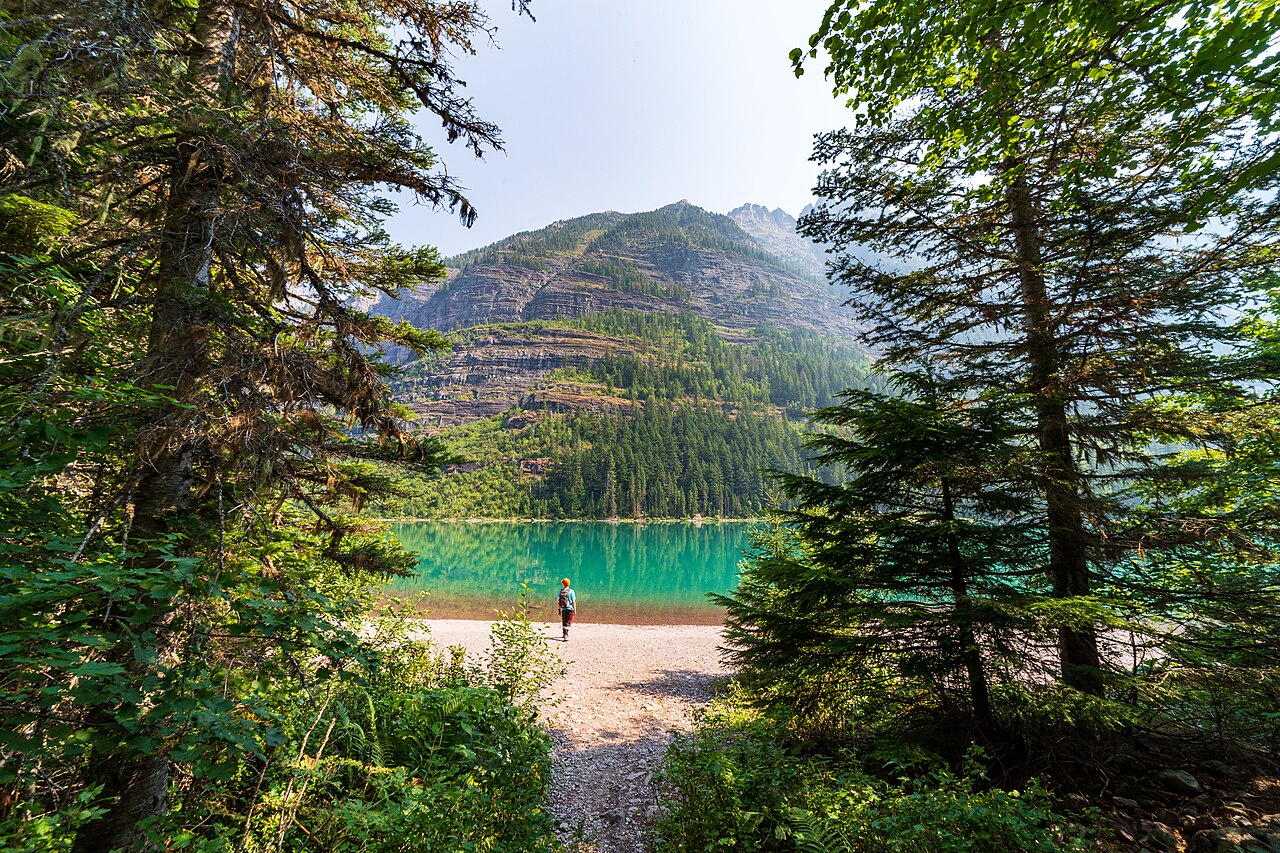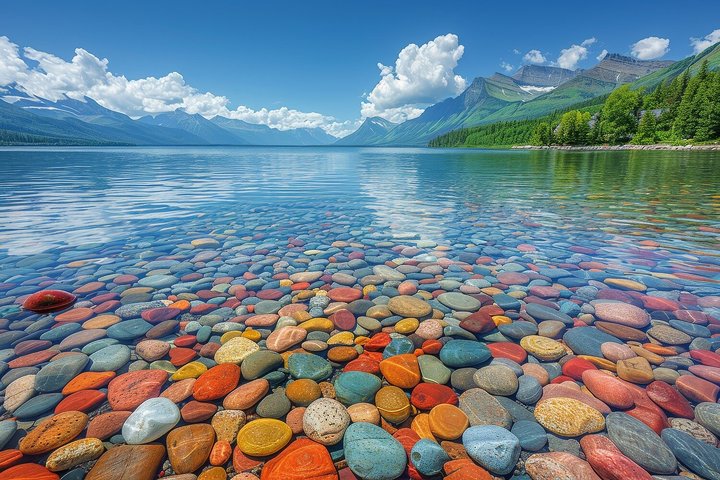
Lake McDonald is the largest lake in Glacier National Park, roughly ten miles long and more than four hundred feet deep, and it is the first big view most visitors get after entering through West Glacier. The water is astonishingly clear, and the pebbles on the shore at Apgar and along McDonald Creek come in red, green, purple and ochre, thanks to the mineral-rich rock the glaciers ground down. Mountains stand at the head of the lake, and on calm mornings they reflect so cleanly that photographers queue for the same patch of shoreline. Apgar Village at the south end has a visitor center, a beach, bike and kayak rentals, a few casual shops and restaurants, and a campground, and it is a gentle place to spend the first or last hour of a trip. A west-side driving tour is a practical way to cover the lake and the surrounding valley, particularly in seasons when the high road over the pass is closed. A guide drives and narrates, so you can watch the scenery, learn the geology and the history of the lodge and ranger stations, and stop for photographs without worrying about parking or the narrow lakeside road.
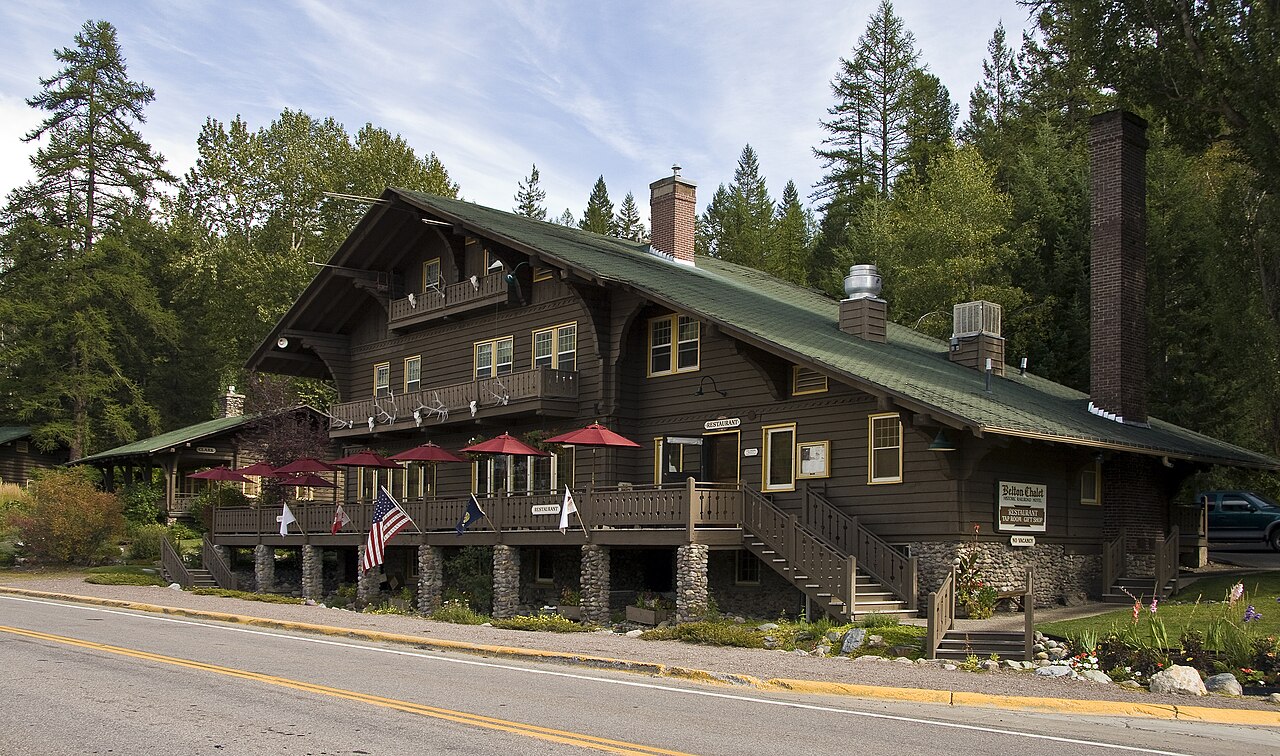
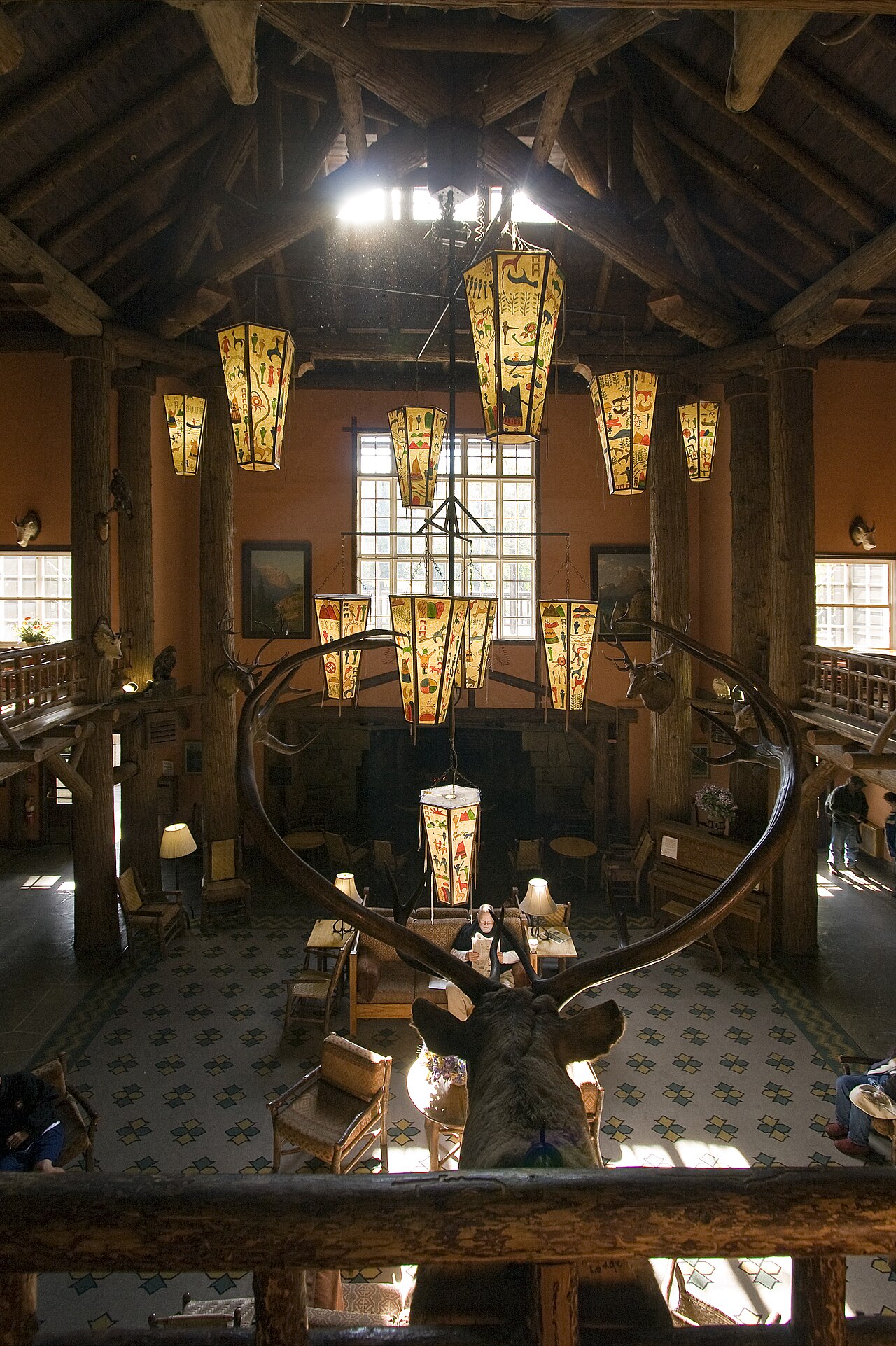
Lake McDonald Lodge, on the northeast shore, is the architectural centerpiece: a Swiss-chalet style lodge from the early days of the park, with a lobby of timber and antlers, a big fireplace and a porch that looks across the lake. Even if you are not staying, stop for a coffee or a meal and a walk on the dock, and take the boat tour when it runs. The lake road also leads to McDonald Creek, where the water runs over colorful rocks, and to the Sacred Dancing Cascade, a short roadside stop.
Summer is warm enough for a swim only if you are brave, since the lake is cold all year. Paddlers and anglers use it constantly, and on a clear evening the sunset glow on the peaks at the head of the lake is one of the park's signature sights. The west side is also the quickest part of the park to reach from Whitefish and Kalispell, so it works for a half day when time is short.
In winter, the area around Apgar and the lake is one of the few parts of the park reachable by road, and it turns into a quiet snow-covered setting for walks and snowshoeing. Whatever the season, bring layers, because the lake wind can be cooler than the forest, and take care on the beach rocks, which can be slippery.
To make the most of the west side, think about layering your day. Begin with sunrise at the shoreline, when the lake is calm and the colors in the stones are most vivid, then take breakfast in the village. Mid-morning is a good time for a guided tour or a boat ride, when the light is bright and the lake is active. In the afternoon, rent a kayak or a bike in Apgar and explore the quiet corners, or take the short walk to McDonald Creek and watch the colorful rocks tumble under the current.
Evening brings the best light on the peaks, with a sunset that turns the mountains pink and gold. If you have mobility challenges, the lake area has several accessible viewpoints and paved paths, and a driving tour allows you to see much of it from the vehicle. Pack layers, because the lake wind can be chilly even on a warm day.
What to expect
The experience
A guided driving tour of the west side that covers Lake McDonald and the surrounding valley without using the Sun Road over the pass.
Best time
Early morning for calm water and reflections, or any season when the high road is closed.
How long
Plan on about half a day; confirm the length when you book.
Tips
Bring layers and a camera, watch footing on wet beach rocks, and check what the tour includes and where it departs before you reserve.
Quick picks
- Best for
- Photographers and visitors who want the lake without driving the pass.
- Families
- Easy sightseeing with short stops; children can skip stones at the shore.
- Couples
- Sunset at the head of the lake and a meal at the lodge.
- Pair with
- Trail of the Cedars, Lake McDonald Lodge and a boat tour.
- Time needed
- A half day, or a full day with a hike.
Good questions
How big is Lake McDonald?+
It is the largest lake in the park, about ten miles long and several hundred feet deep.
Why are the pebbles so colorful?+
Mineral-rich rock ground down by glaciers produces red, green, purple and ochre stones that stay vivid under clear water.
Can I swim?+
You can, but the water is very cold even in midsummer. Most visitors wade, paddle or boat instead.
Is the west side open in winter?+
The Apgar and lake area is reachable by road in winter, while the high road over the pass is closed for the season.
Where is the best viewpoint?+
The shore at Apgar for the classic view, and Lake McDonald Lodge for dock and porch views.