Wildlife is one of Glacier's greatest draws and one of its biggest responsibilities. The park protects a nearly complete ecosystem that includes grizzly and black bears, wolves, mountain lions, moose, elk, bighorn sheep, mountain goats and hundreds of bird species. Seeing animals in their natural setting is a highlight, and doing it safely depends on a few simple habits.
Where to look
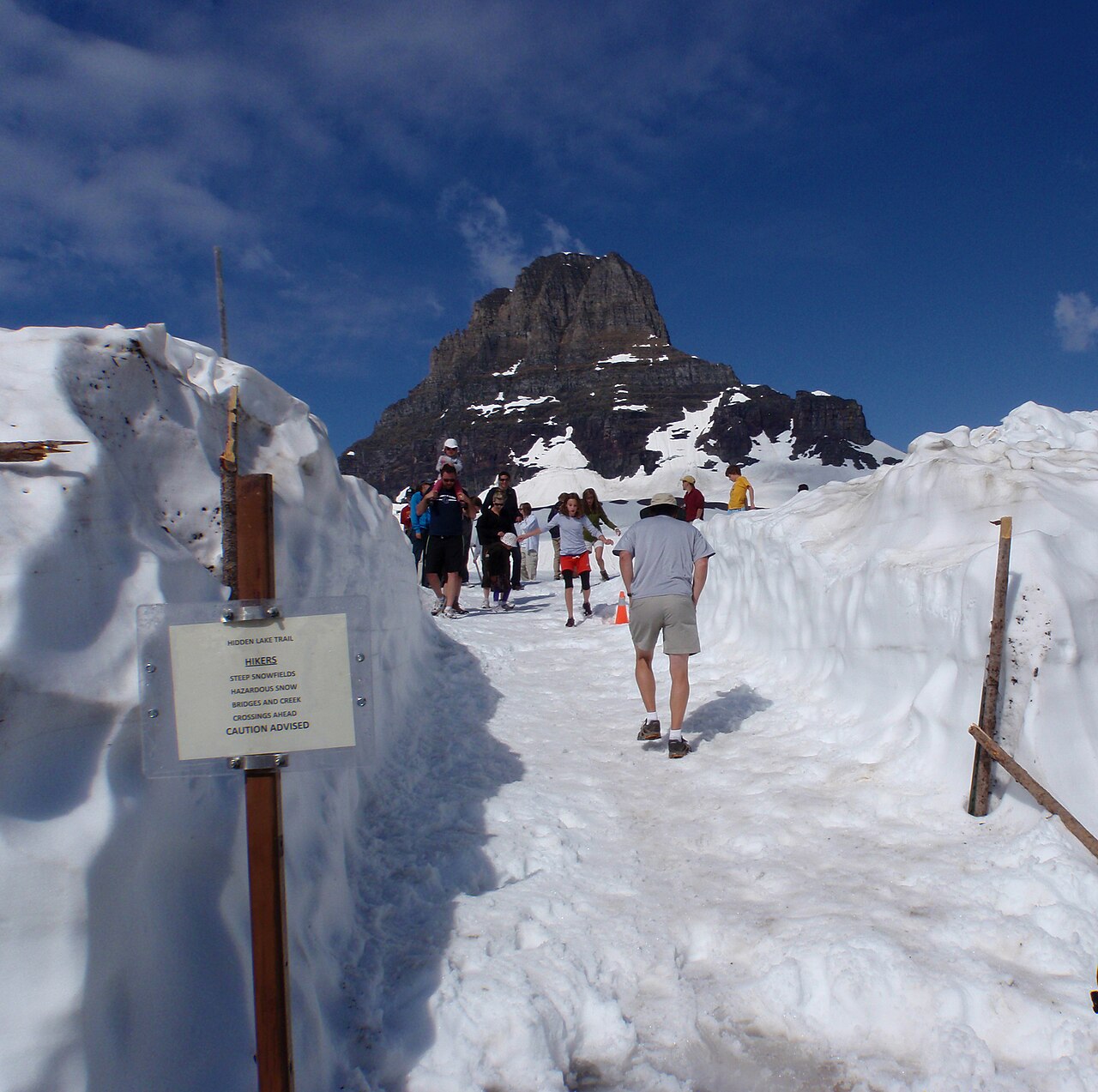
Mountain goats are most reliably seen around Logan Pass, often near the boardwalk to Hidden Lake Overlook, and on the cliffs along the Sun Road. Bighorn sheep appear on slopes in the Many Glacier valley and near Logan Pass. Moose favor ponds and willow flats, such as around Many Glacier and the North Fork, and are often seen early in the morning. Hoary marmots whistle from rock piles at the pass, and pikas squeak in talus fields. Bears are found throughout the park, often on open slopes in early summer and in berry patches in late summer. Bald eagles and ospreys are common along rivers and lakes, and loons can be heard on quiet lakes at dawn.
Distances that matter
The park asks visitors to stay at least twenty-five yards from most wildlife and at least one hundred yards from bears and wolves. Use binoculars or a zoom lens to get closer views. If an animal changes its behavior because of you, you are too close. Never approach to take a photograph, and never feed anything, including squirrels and birds.
Bear spray
Bear spray is a recommended tool for hiking in the park. Carry it in an accessible holster, not in your pack, and learn how to remove the safety and aim before you need it. It cannot be carried on airplanes, so plan to buy or rent it near the park. Do not rely on it as a substitute for good habits, and check expiry dates if you bring your own.
Hiking in bear country
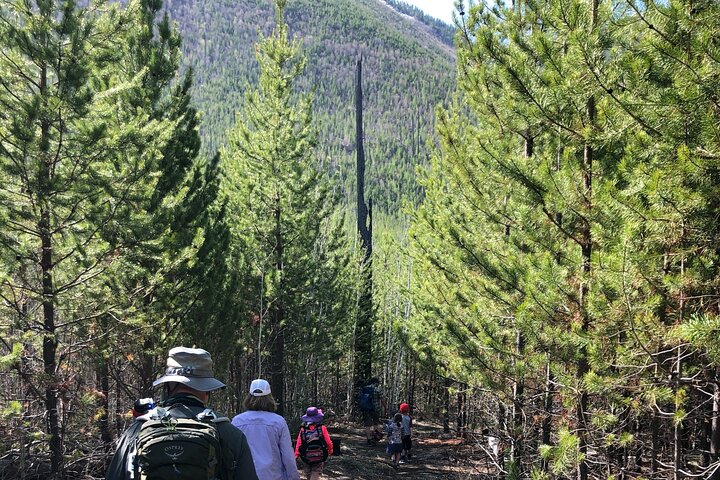
Hike in groups of three or more when possible, since larger groups are less likely to surprise a bear. Make noise at blind corners, near streams and in thick brush, by talking, clapping or calling out. Stay alert for signs of bears such as tracks, scat, torn logs and the smell of carrion. Avoid hiking at dawn and dusk when bears are most active, and obey trail closures, which are used to separate people from bears. Keep dogs out of the backcountry; pets are limited in the park.
If you meet a bear
Stay calm, stop and assess. Do not run, because running can trigger a chase. Speak in a low voice, back away slowly and give the bear a clear path to leave. If a bear approaches, stand your ground and use bear spray when it is within range. If a bear makes contact, the usual advice is to play dead for a defensive grizzly attack, covering your neck and staying still, and to fight back if a black bear attacks you in a predatory way. Rangers can give more detailed guidance, and visitor centers hold regular talks.
Food storage
Store food, coolers, trash and anything scented in a hard-sided vehicle or in the provided lockers, never in a tent. At picnic stops, keep food close and clean up completely. A fed bear is a dead bear, as the saying goes, because animals that learn to seek human food are often removed.
Driving and wildlife
Animals cross roads, especially at dawn and dusk. Slow down, watch the shoulders and do not stop in the lane for a photograph. Use pullouts, and remember that a wildlife jam is a signal to be patient and to keep moving once you have had a look.
Choose guided options
If you want expertise, a ranger-led walk or a guided nature walk is a good way to learn what you are looking at and to see animals safely. Boat tours and Red Bus tours also deliver wildlife sightings with a guide who knows where to look. The more you know, the more you will see, and the more comfortable you will feel in a landscape that belongs to its animals.
A closing word
Most visits to Glacier pass without a dangerous encounter, and the park's safety record is strong because visitors follow simple rules and rangers keep a close watch. The best attitude is respect rather than fear: learn the basics, carry the right gear, travel in groups and treat every animal as wild. The reward is a trip filled with sightings of goats on the cliffs, moose in a pond or a bear on a distant slope, seen from a safe and respectful distance.