Glacier National Park rewards planning more than most parks, because its best sights are spread across several distinct areas separated by mountains and long drives. A first visit goes better when you understand the layout, choose a base that suits your plans and accept that you cannot see everything in a day or two. The park covers roughly a million acres, and the main roads do not connect in a neat loop.
The layout in one paragraph
The park straddles the Continental Divide in northwest Montana, bordering Canada's Waterton Lakes. Going-to-the-Sun Road is the one road that crosses the park, running about fifty miles from the west entrance near Apgar over Logan Pass to St. Mary on the east side. The west side holds Lake McDonald, Avalanche and the forest. The east side holds St. Mary Lake, Many Glacier and Two Medicine, with their wide open views and wind. The North Fork, reached by dirt road, is the wild northwest corner. Because the roads do not link the sides quickly, a trip often means choosing one or two areas and giving them time.
Choosing a side
The west side is the easiest for first-timers: it is closest to Whitefish, Kalispell and the airport, it has the most services and it gets you onto the Sun Road quickly. The east side is more dramatic and quieter in some spots, but it is farther from the airport and requires longer drives. If you have three days or more, plan to see both, with the Sun Road as the connector. If you have only a day, stay on the west side and drive as far toward Logan Pass as conditions allow.
The Sun Road and its rules
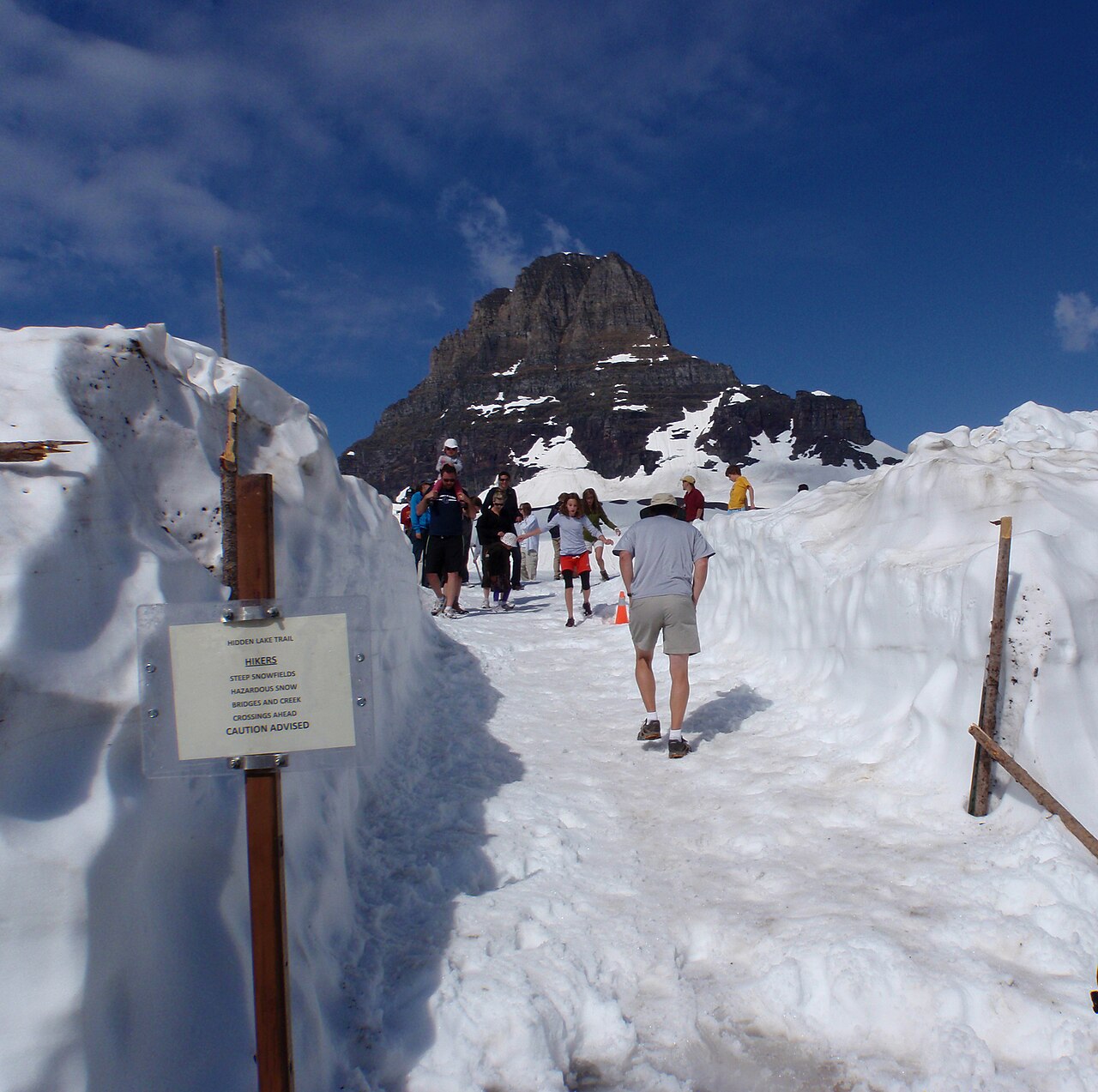
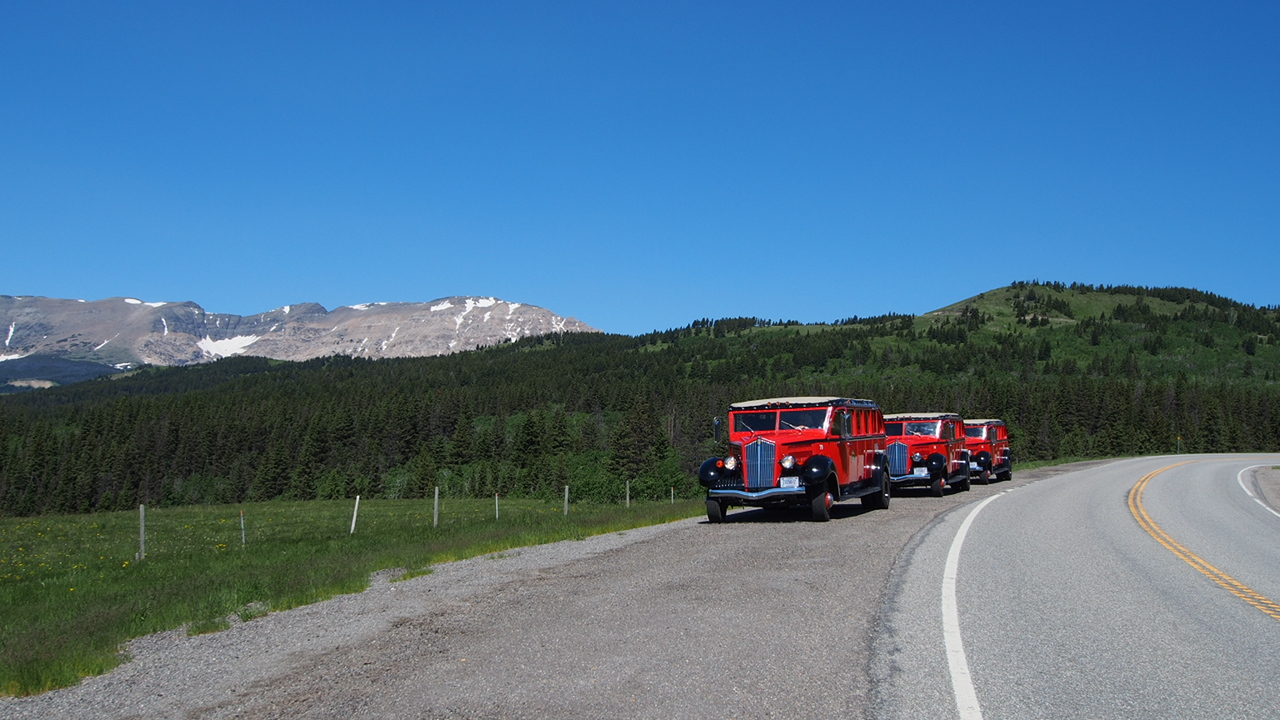
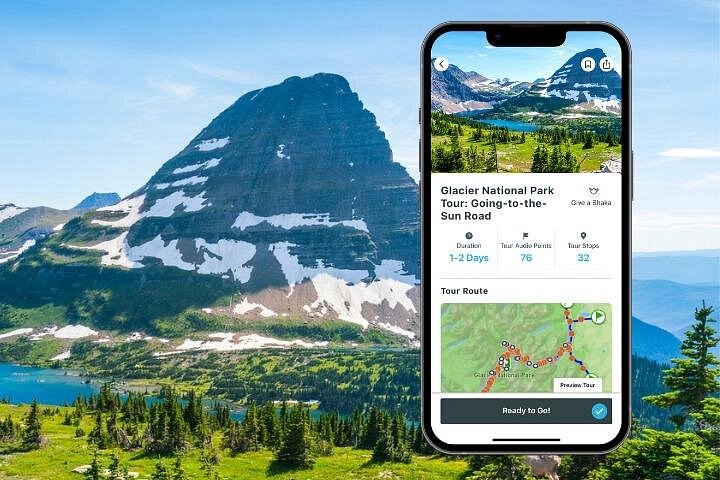
The high road is typically fully open only in summer, and snow can keep it closed into July. In recent summers the park has used shuttle tickets, parking limits at Logan Pass and vehicle size restrictions to manage crowds, and rules have changed from year to year. Before your trip, check the park's current page on road status, reservations and shuttles, and treat that as the authority. If driving the road makes you nervous, a Red Bus tour or an audio-guided drive takes some of the pressure off.
What to book early
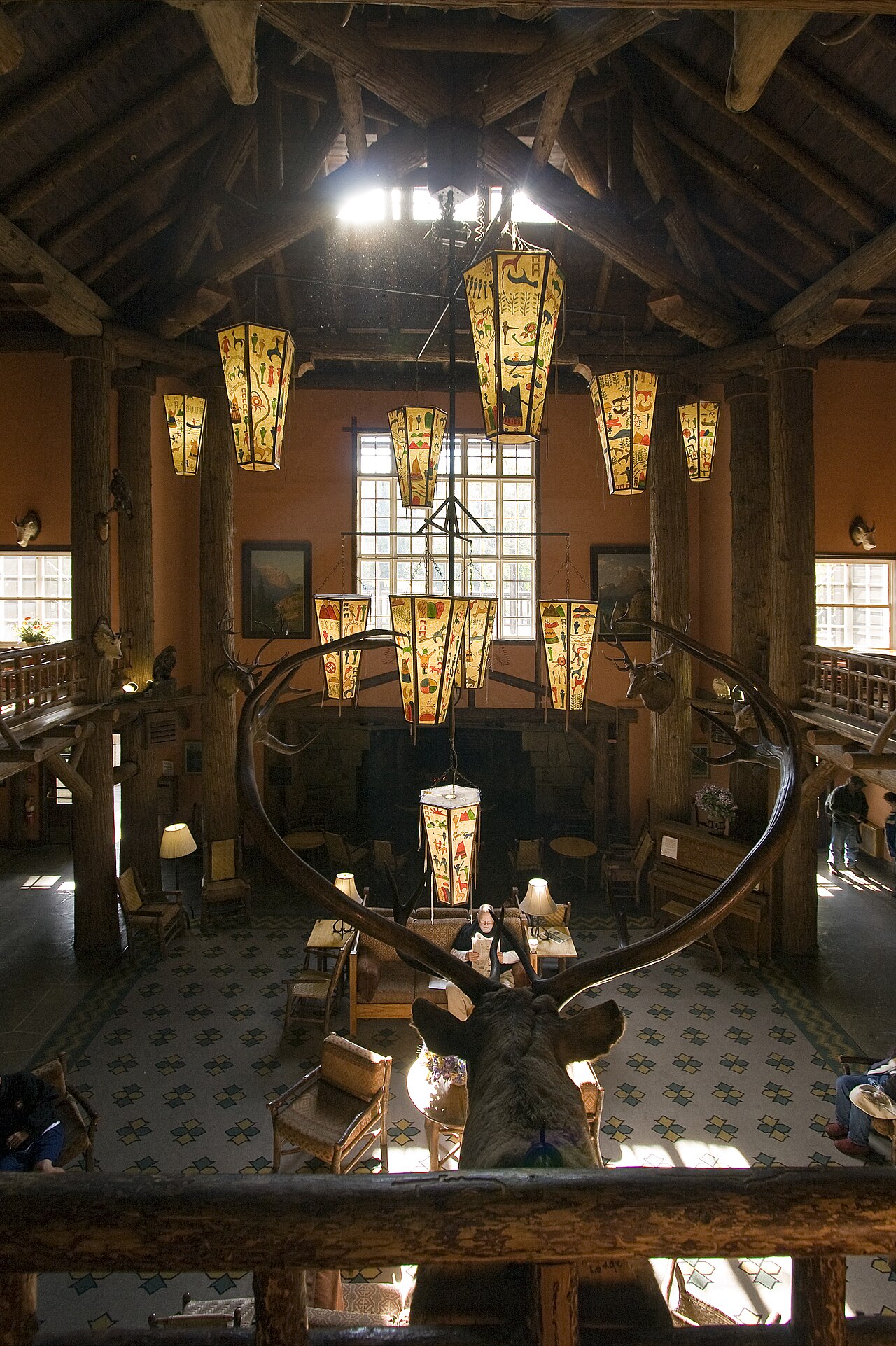
Lodging is the real bottleneck. In-park lodges such as Lake McDonald Lodge and Many Glacier Hotel sell out many months ahead for July and August, and hotels in Whitefish fill quickly as well. Book your rooms first, then add activities such as rafting, boat tours and Red Bus tours. Popular guided trips sell out in peak season, though last-minute availability sometimes appears.
Pack for four seasons
Mornings at the pass can be near freezing in July, afternoon thunderstorms are common and mountain weather changes quickly. Bring layers, a rain jacket, sun protection, sturdy shoes and a refillable water bottle. Cell service is limited in much of the park, so download maps and any audio tours before you arrive. Carry bear spray if you plan to hike, and learn how to use it.
Easy wins for a first day
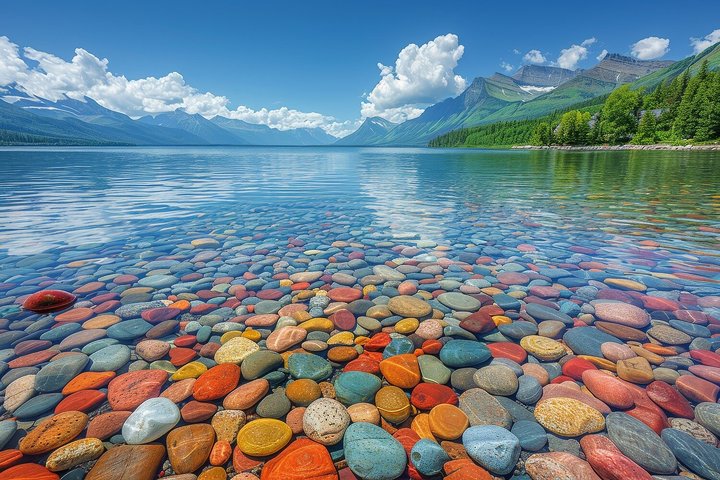
Start early on the west side with Trail of the Cedars, then drive toward Logan Pass for Hidden Lake Overlook if access allows. Break the afternoon with a boat tour or a picnic at Lake McDonald, and finish with dinner at a lodge or in Whitefish. This simple plan covers forest, lake, alpine views and wildlife without demanding a long hike.
Beyond the park
The Flathead Valley deserves time too. Whitefish has a lively downtown and a mountain resort with scenic lift rides in summer, Kalispell has the Conrad Mansion and the airport, and Flathead Lake offers kayaking, cherry stands and the Wild Horse Island paddle. A rainy day in the valley is a good chance to see these without feeling that you are missing the park.
Practical details
Entrance fees apply, and passes such as the annual America the Beautiful pass are accepted. Fuel up in Columbia Falls, West Glacier or Whitefish, since services inside the park are limited. Food storage rules are strict, so keep all food and scented items locked in your vehicle. Respect wildlife distances: twenty-five yards from most animals and one hundred yards from bears and wolves.
The first-timer mindset
Do not try to see everything. Choose a few experiences you care about, build in margin for weather and traffic and let the park's pace set yours. A morning on the water, an afternoon on a short trail and a sunset on a lakeside porch will often be remembered more fondly than a rushed list of overlooks.