Glasgow has always fed people well and cheaply, and in recent years it has added ambition on top. Its food scene is shaped by a working port, by generations of Italian, Pakistani, Indian and Chinese families who opened restaurants here, and by a pride in Scottish produce that has moved from the fringe to the mainstream. This guide points you to the dishes, the districts and the drinks worth planning around, without pretending that any one restaurant is the only answer.
Dishes to try
Start with the classics. Haggis, neeps and tatties is the national dish, and a good one is peppery, rich and far better than its reputation; many places serve a vegetarian version too. A Scotch pie, a small hot-water-crust mutton or beef pie, is the football-ground snack. Cullen skink, a smoky haddock and potato soup, is the best bowl of the cold months. Look for Scottish seafood such as langoustines, mussels and smoked salmon on menus along the river, and for a full Scottish breakfast with tattie scone and black pudding if you are staying somewhere that does one. To drink without alcohol, Irn-Bru, the fizzy orange soft drink, is a local obsession you should try once.
Curry and the city
Glasgow has a serious claim to be Britain's curry capital, and locals will happily argue the case. South Asian families built a restaurant culture here from the middle of the twentieth century, and the city still takes its curry house seriously. Ask a local for their favourite rather than trusting a headline; neighbourhood places, often in the West End, the South Side and around the city centre, are where the loyalty is.
Where to eat by area
The Merchant City, the grid of old tobacco-lords streets around Glasgow Cross and Ingram Street, is the best bet for a choice of restaurants and cocktail bars within walking distance of the hotels. Finnieston, west of the centre between the SEC and the West End, is the modern food and drink strip, with a mix of seafood, grills, small plates and craft beer bars; it is also the easiest place to eat well before or after a concert. The West End around Byres Road, Ashton Lane and Hyndland Street is relaxed, studenty and good for lunch, brunch and pubs. Over the river, the South Side has neighbourhood restaurants around Shawlands and Strathbungo that visitors rarely find, and the Burrell Collection and Pollok Country Park make a natural day out there.
Afternoon tea and coffee
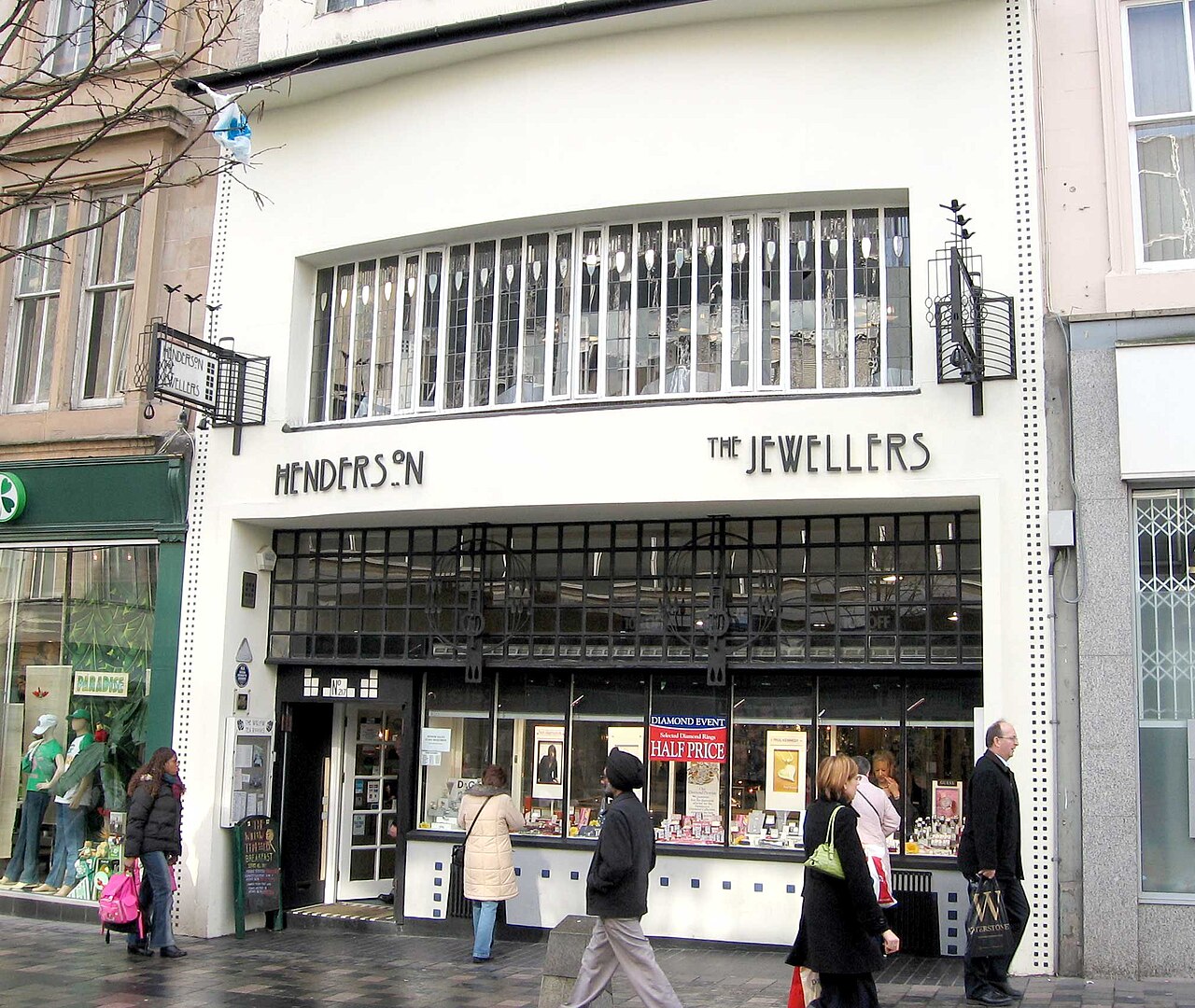
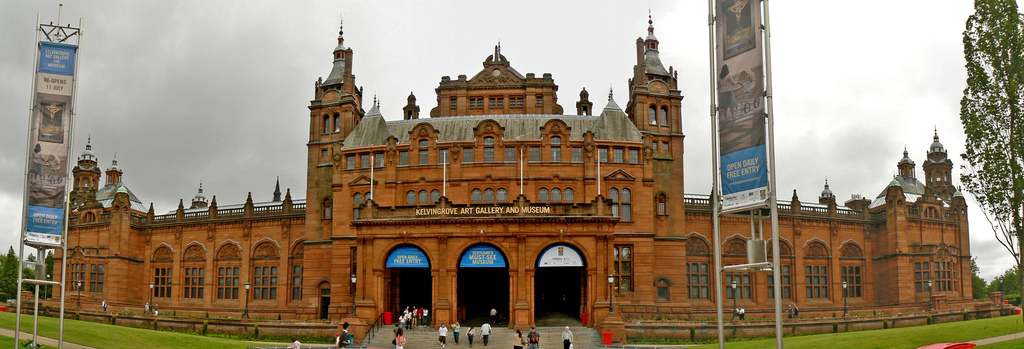
A visit to Mackintosh at the Willow is as much about the tea as the architecture, and afternoon tea in Mackintosh's own rooms on Sauchiehall Street is one of the city's signature experiences. Book ahead for weekends. Glasgow also has a lively independent coffee scene, particularly in the West End and Finnieston, and the museum cafes at Kelvingrove and the Riverside Museum are good for a no-fuss lunch.
Whisky, gin and beer
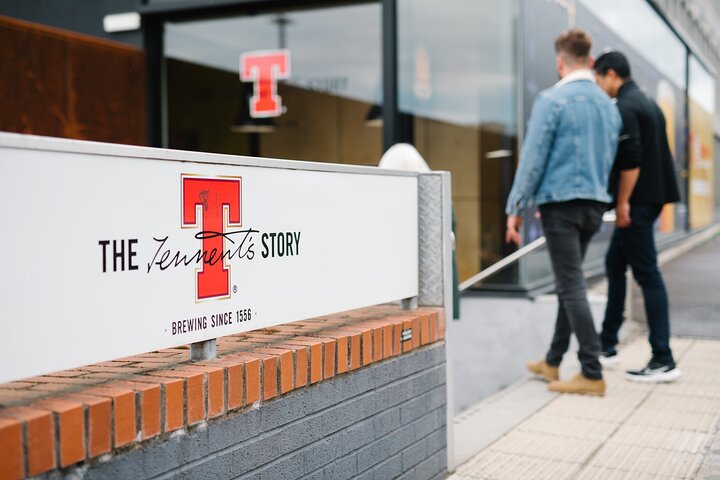
Whisky is best approached with a tour. The Clydeside Distillery sits in the old Pumphouse on the river and tells the story of a Lowland whisky made in the city for the first time in generations. Scotland also has a booming gin scene, and many bars will give you a tasting flight. For beer, Tennent's Wellpark Brewery has brewed in the East End for centuries, and its tour covers the history, the brewing and a tasting. Craft beer bars in Finnieston and the West End serve local brewers alongside the big names. Pubs close later than you might expect, and a traditional pub is the right place to try a dram and meet people.
Practical tips
Book dinner ahead for Friday and Saturday nights and for any evening when there is a concert at the Hydro or the SEC, when Finnieston fills fast. Tipping is customary at sit-down restaurants, usually around ten percent if service is not already added to the bill, and not expected at the bar. Many pubs serve food until the early evening only, so check before you plan a late supper. Vegetarian and vegan options are widespread, and most kitchens handle allergies well if you tell them early. Prices are in pounds sterling, and cards and contactless are accepted almost everywhere.
A simple food plan
For a weekend, put a pie or a bowl of soup at lunch after a museum, afternoon tea at the Willow on your first afternoon, a distillery or brewery tour on the second day, and a long, unhurried dinner in Finnieston or the Merchant City to finish. It is a plan that costs far less than the equivalent in London or Edinburgh, and it leaves room for the real Glasgow pleasure, which is staying for one more drink.