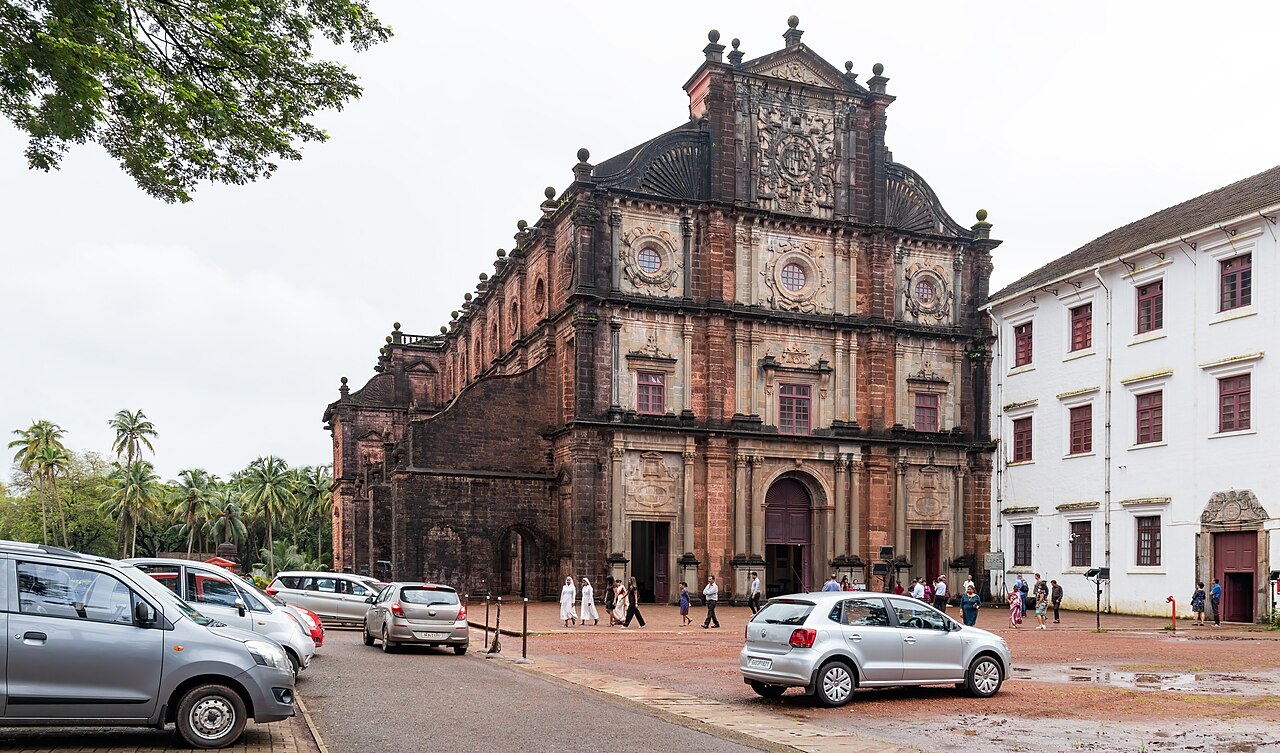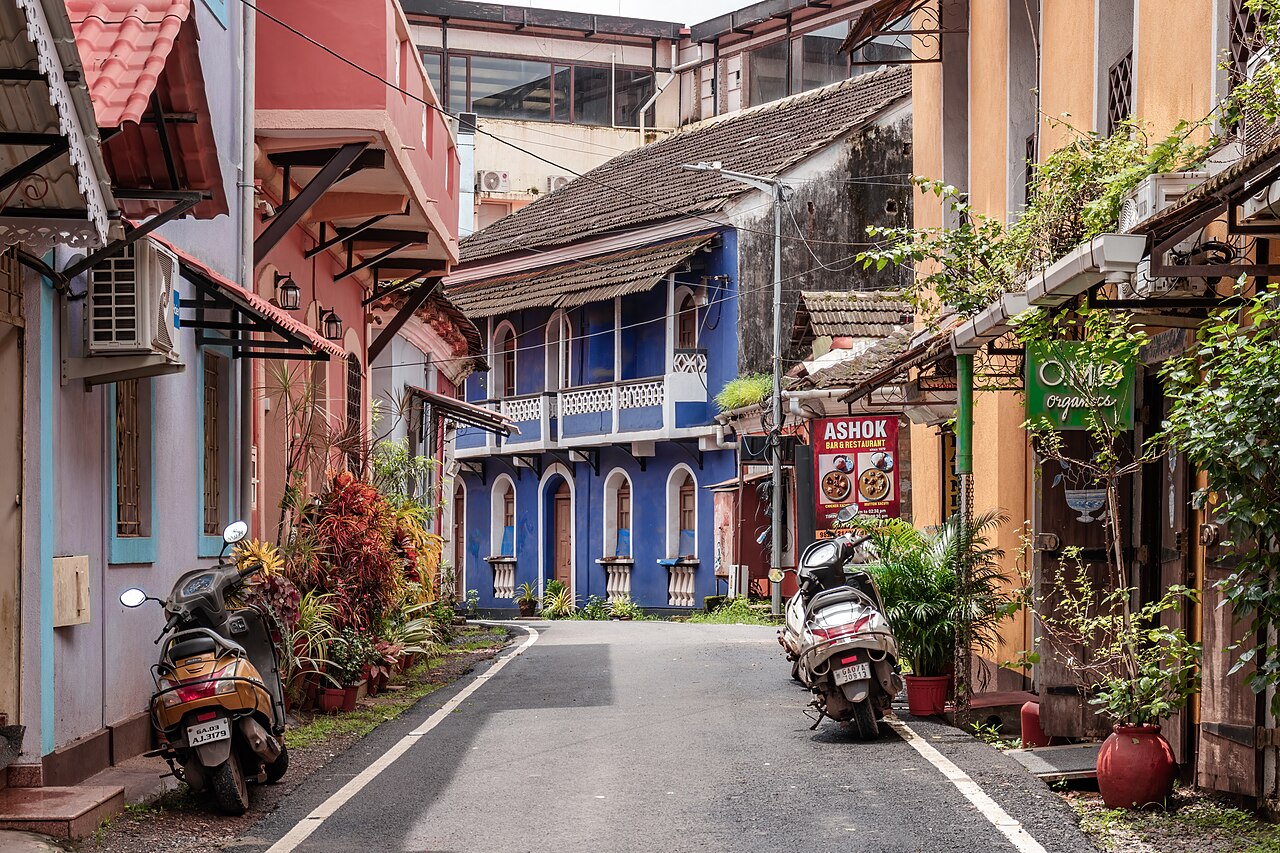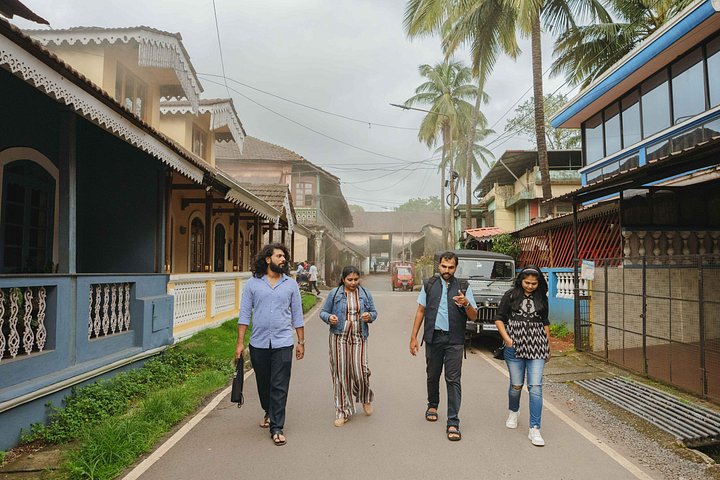
Margao, also spelled Madgaon, is the main town of south Goa and the place most visitors pass through on the way to the southern beaches without stopping. That is a pity, because the old centre holds a layer of Goan life that the coast rarely shows. The guided heritage walk through the city has built up several hundred glowing reviews, and it takes you through the plaza around the grand church of the Holy Spirit, the lanes of old houses with their tiled roofs and balconies, and the market streets where vendors sell fish, vegetables, spices and sweets. A local guide explains how Margao grew as a trading town, how the families that built the large mansions made their fortunes and why the town sits at the centre of Goa's Catholic and Hindu traditions alike. The pace is easy, the route is short enough to enjoy in the morning, and the town's everyday energy is the main attraction. If you have been in Panaji and Old Goa, Margao makes a pleasing contrast, bustling and commercial rather than curated. It is also a natural first stop on a south Goa trip, close to the railway station and the road to Colva, Benaulim and Palolem.
What you see
The church square is the visual anchor, with the Holy Spirit church standing over an open plaza of whitewashed buildings. Around it lie old residences with carved wooden balconies, oyster-shell windows and tiled facades, some well kept and some wonderfully faded. The walk also takes in the market, where you can watch the town shop and pick up local snacks, and the guide fills in the stories behind the streets, the families and the festivals that still shape the calendar.
Who it suits
Curious travellers who like towns more than monuments, and anyone building a south Goa itinerary who wants a half-day of culture before the beach. It is a gentle walk on mostly flat ground, though the streets can be busy and the pavements uneven, so wear comfortable shoes. Families with older children enjoy the market scenes, while very small children may find the crowds tiring in the midday heat.
Timing and tips
Go in the morning, when the market is liveliest and the temperature is lower, and finish with a Goan lunch in town. The dry season from November to February is the most comfortable, but the walk works year round if you carry an umbrella in the rains. Because Margao is a working town, dress modestly if you plan to step inside the church, and mind your belongings in the market crowds.
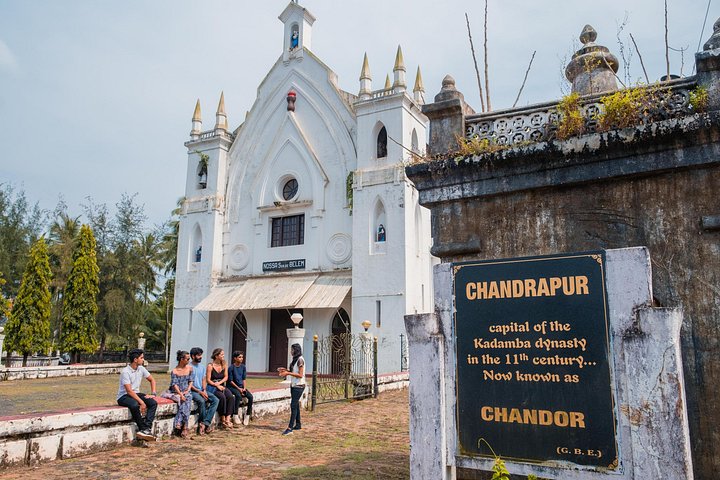
A taxi or the local train will get you here from the beaches, and the walk can easily be linked with Chandor or a south Goa spice plantation on the same day.
What to expect
The experience
A guided walk through Margao's old centre, taking in the church square, historic houses and the market streets with a local guide.
Best time
Morning, when the market is liveliest and the air is cooler, in the dry season from November to February.
How long
Roughly two to three hours at an easy pace.
Tips
Wear comfortable shoes, dress modestly for the church, and watch your belongings in the market crowds.
Quick picks
- Best for
- Travellers who want to see a working Goan town and the culture of south Goa before the beach.
- Families
- Fine for older children who enjoy markets; the crowds and heat can tire young ones.
- Couples
- A relaxed morning of old houses and market snacks, then a Goan lunch in town.
- Pair with
- Chandor heritage village, a spice plantation and Colva or Benaulim beach.
- Time needed
- Half a morning.
Good questions
Is Margao worth a stop?+
Yes, for a view of everyday Goa. The old centre has a grand church, historic houses and a lively market that most beach visitors skip.
How long is the walk?+
Allow two to three hours at an easy pace, including time in the market.
When is the best time to go?+
Mornings in the dry season, from November to February, for cooler air and the busiest market scenes.
How far is Margao from the beaches?+
It sits inland of Colva and Benaulim and is a short drive from them, and further from Palolem and the north coast.
Is it accessible?+
The route is mostly flat but the pavements are uneven and the streets busy, so it is not ideal for wheelchairs or strollers.