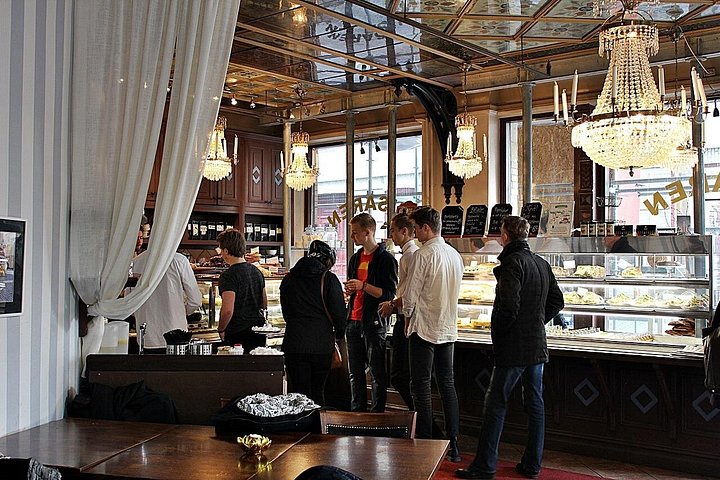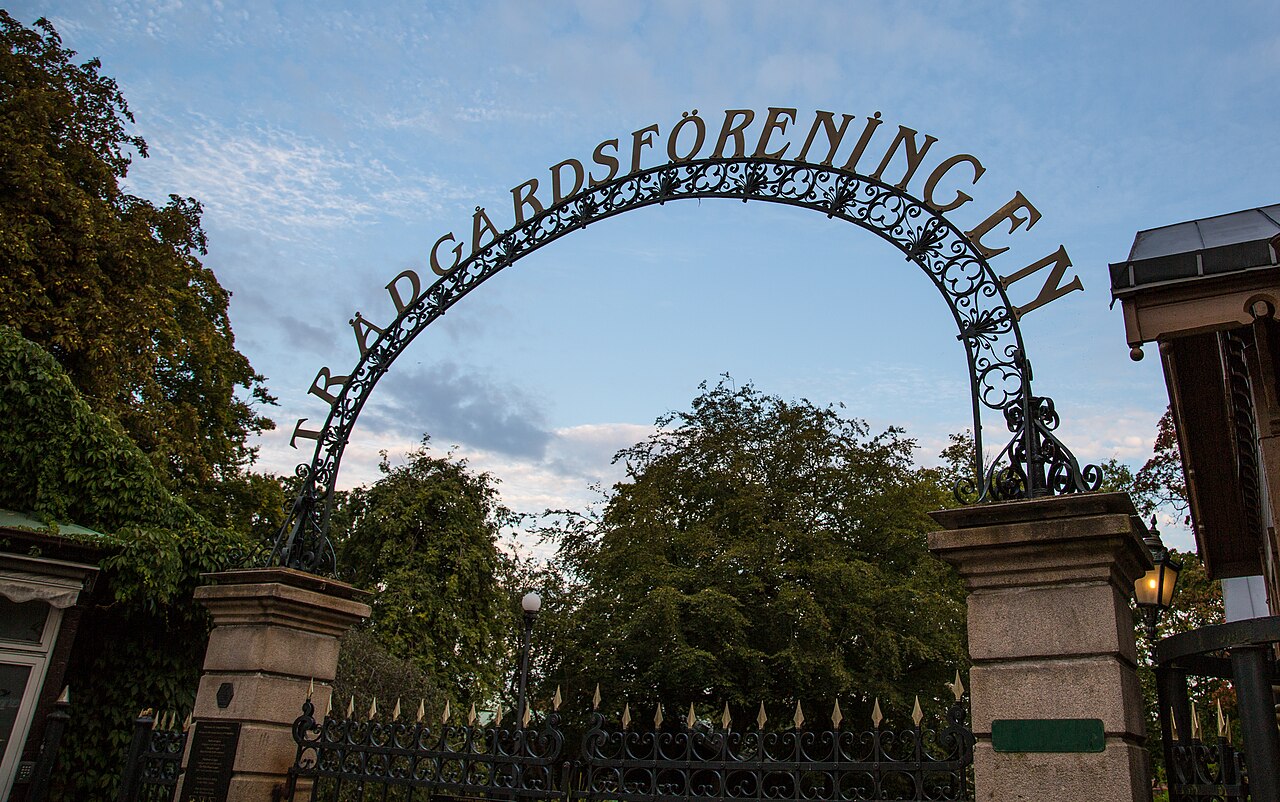
Trädgårdsföreningen, the Garden Society of Gothenburg, is one of the best-preserved nineteenth-century city parks in Europe, laid out in 1842 along the old moat just behind the Opera quarter. Paths wind between lawns, ponds, flower beds and mature trees, with a famous rose garden that fills with scent in summer. The centrepiece is the Palm House, a Victorian glass-and-iron conservatory from the 1870s that shelters tropical plants, and nearby is a butterfly house where you can walk among free-flying species. There are cafes, a restaurant in a pavilion and play areas for children, plus seasonal events and concerts. Entry arrangements and which houses are open vary by season, so check the current details before you visit.
A visit can be as slow or as brisk as you like. For a quick stop, walk the main avenue to the rose garden, see the Palm House exterior and take a coffee by the pond. For a longer visit, spend an hour inside the glasshouses and then lunch in the park. Gardeners change the planting through the year, so spring brings tulips and bulbs, summer brings roses and borders, and autumn brings dahlias and colour on the trees. At Christmas, the park is often decorated with lights.
The park is a good family choice: lawns for running about, shaded benches and an easy layout. The butterfly house is a hit with children, though it is warm and humid, so dress in layers. Picnics are common on the lawns in summer, and the cafes serve fika. The park is flat and well maintained, with accessible paths, and a good place to rest between museum visits.
Location makes it easy to combine with other sights. The park lies between the central station area and the Avenyn boulevard, a short walk from the Opera and the old town. After the garden, you can reach the Götaplatsen museums by tram or on foot. If you are choosing between this and the larger Botanical Garden, the Garden Society is central and compact, while the Botanical Garden is bigger and better for a half day with nature walks. Check opening hours for the glasshouses, as these can differ from the park gates.
The garden rewards a slow loop. Enter from the main gate and take the central path, noting the formal beds, then drift towards the rose garden, where hundreds of varieties are labelled for the curious. The Palm House is the visual highlight, and inside you can step from cool air into a humid, tropical atmosphere in a few paces. The butterfly house requires a little patience: stand still near the feeders and the butterflies will land on your sleeves. Beyond the glasshouses are quiet corners with sculptures, a Japanese-style area and benches under old trees.
Cafes and the restaurant serve fika, lunch and drinks, and the terrace is a pleasant place for a sunny afternoon. Children can run on the lawns and watch the ducks, while grown-ups can sit with coffee and a pastry. In summer, check for concerts and events in the park, which can fill the lawns on evenings and weekends. Bring a light jacket, since the shade can feel cool, and a camera for the roses and the Victorian ironwork, which looks best in soft morning or late afternoon light.
What to expect
The experience
A historic city-centre garden with a rose garden, a Palm House, a butterfly house, cafes and play areas.
Best time
June to August for roses; spring for bulbs.
How long
One to two hours.
Tips
Check glasshouse hours, dress in layers for the butterfly house and stop for fika.
Quick picks
- Best for
- A quick green break in the centre.
- Families
- Lawns, a butterfly house and play areas.
- Couples
- A peaceful stroll through the roses.
- Pair with
- The Opera quarter and Avenyn.
- Time needed
- One to two hours.
Good questions
When was the garden founded?+
The Garden Society laid out the park in 1842.
Is there an entrance fee?+
Entry arrangements vary by season and event. Check the current policy before you visit.
What is the Palm House?+
A Victorian glass-and-iron conservatory with tropical plants.
Is it good for children?+
Yes: lawns, play areas and a butterfly house.
When are the roses at their best?+
Typically from June to August.