Haga is the part of Gothenburg that postcards are made from. Its long pedestrian street, Haga Nygata, runs between rows of soft-coloured wooden and brick buildings from the nineteenth century, many in the local landshövdingehus style: a brick ground floor with two timber storeys above. The ground floors are now cafes, bakeries, antique shops, small design stores and bookshops, with flower boxes and chalkboards on the pavement. The neighbourhood began as a working-class district and was saved from demolition in the twentieth century, which is why it still feels lived in rather than staged. A guided Haga walk gives you the local history and helps you pick the best of the cafes, while a self-guided stroll works equally well if you like to wander.
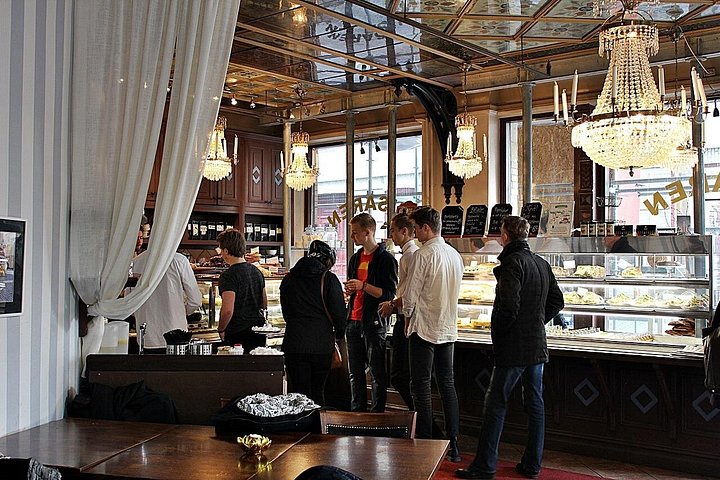
The famous snack is the Haga bun, a cinnamon roll the size of a small plate, and it is meant to be shared. Order one with coffee in a basement cafe on Haga Nygata, and give yourself time to sit; fika is a social habit here, not a rush. Side streets reveal a quieter Haga: small galleries, second-hand clothes shops, craft studios and wooden houses with tiny front gardens. The street Sprängkullsgatan has some of the best vintage stores.
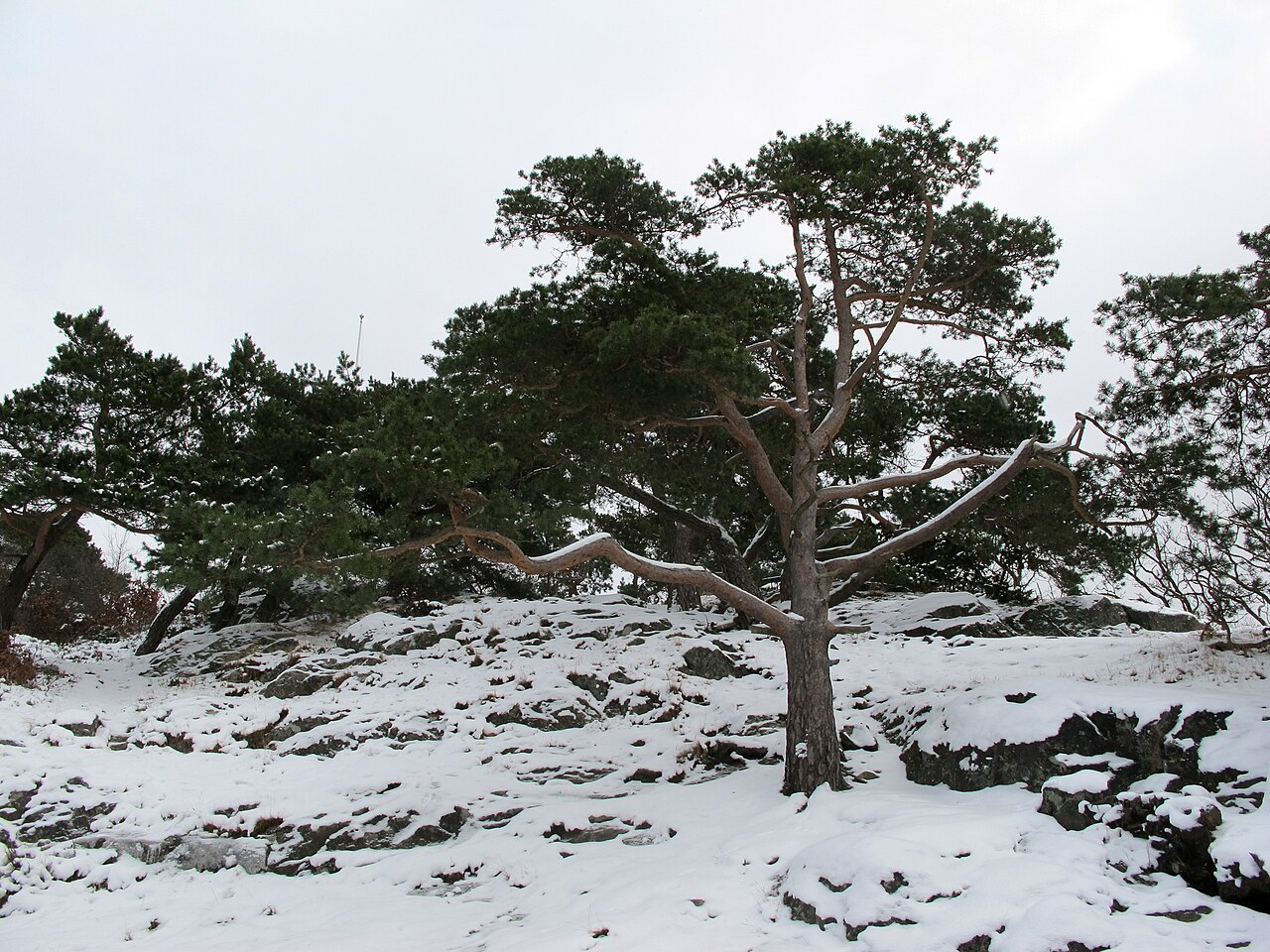
At the end of the main street, a short path climbs the hill to the fortress of Skansen Kronan, a seventeenth-century stone tower with a panoramic view over the rooftops, the harbour and the cranes. It is a pleasant fifteen-minute detour and a favourite photo spot at the end of the day. Nearby Skansen Lejonet is another fortification on a neighbouring hill. The nearby Linnéstaden district extends the cafe-and-shop scene towards the Slottsskogen park.
Haga is walkable from the centre in about fifteen minutes, or a short tram or bus ride. Mornings are calmer; weekends and sunny afternoons get busy and queues at the best-known bun cafes can be long. Plan Haga with the old-town walk and the harbour area for a day of low-effort sightseeing. A guided option adds local detail, and you can also choose a self-guided audio route if you prefer your own pace. Bring cash or a card for small shops, and wear comfortable shoes for the cobbles.
For the best experience, build your walk around timing. Arrive before ten if you want a quiet look at Haga Nygata and a table at a popular bun cafe, then browse the side streets as shops open. Late morning is the classic fika slot, and the lanes fill with strollers and tour groups by noon at weekends.
Look beyond the main street
The smaller lanes and courtyards hold ceramics studios, second-hand bookshops and tiny galleries, and the wooden facades are a lesson in how Gothenburg dealt with its fire risk by combining brick lower floors with timber above.
If you enjoy photography, the soft light of early morning and the golden light before sunset suit the pastel colours. The climb to Skansen Kronan is short but steep, and the stone tower is open only at certain times, so treat the view from the hill as the goal. Afterwards, wander down towards the canal and the old town for a continuous half-day route. Wear comfortable shoes, because the cobbles can be tiring, and carry a small bag for any bargains from the vintage shops.
What to expect
The experience
A pedestrian-street neighbourhood walk through historic wooden and brick buildings, with cafes, shops and a hilltop fortress nearby.
Best time
Weekday mornings for fewer crowds; late afternoon for light at Skansen Kronan.
How long
Two to three hours including fika and the climb.
Tips
Share a Haga bun, wear shoes for cobbles, and climb to Skansen Kronan for the view.
Quick picks
- Best for
- Anyone who enjoys wandering historic streets with good coffee.
- Families
- Easy and pedestrian, with plenty of cafe stops; the hill is short.
- Couples
- A romantic late-afternoon stroll followed by a cafe.
- Pair with
- The old-town sightseeing walk and a cafe stop, or Slottsskogen for a green finish.
- Time needed
- A relaxed half day.
Good questions
What is a Haga bun?+
A very large cinnamon bun, traditionally baked in the neighbourhood. It is usually shared between two or more people.
How do I get to Haga?+
Walk about fifteen minutes from the centre, or take a tram or bus to the Haga stop. It is close to the old town.
Is Haga open on Sundays?+
Cafes and many shops are open, though some small shops close on Sundays or Mondays.
Is it good for a rainy day?+
Cafes and shops give shelter, but the cobbles can be slippery and the hill climb is less pleasant in heavy rain.
Should I take a guided walk?+
A guide adds history and tips, though many visitors enjoy it self-guided. Choose according to how much context you want.