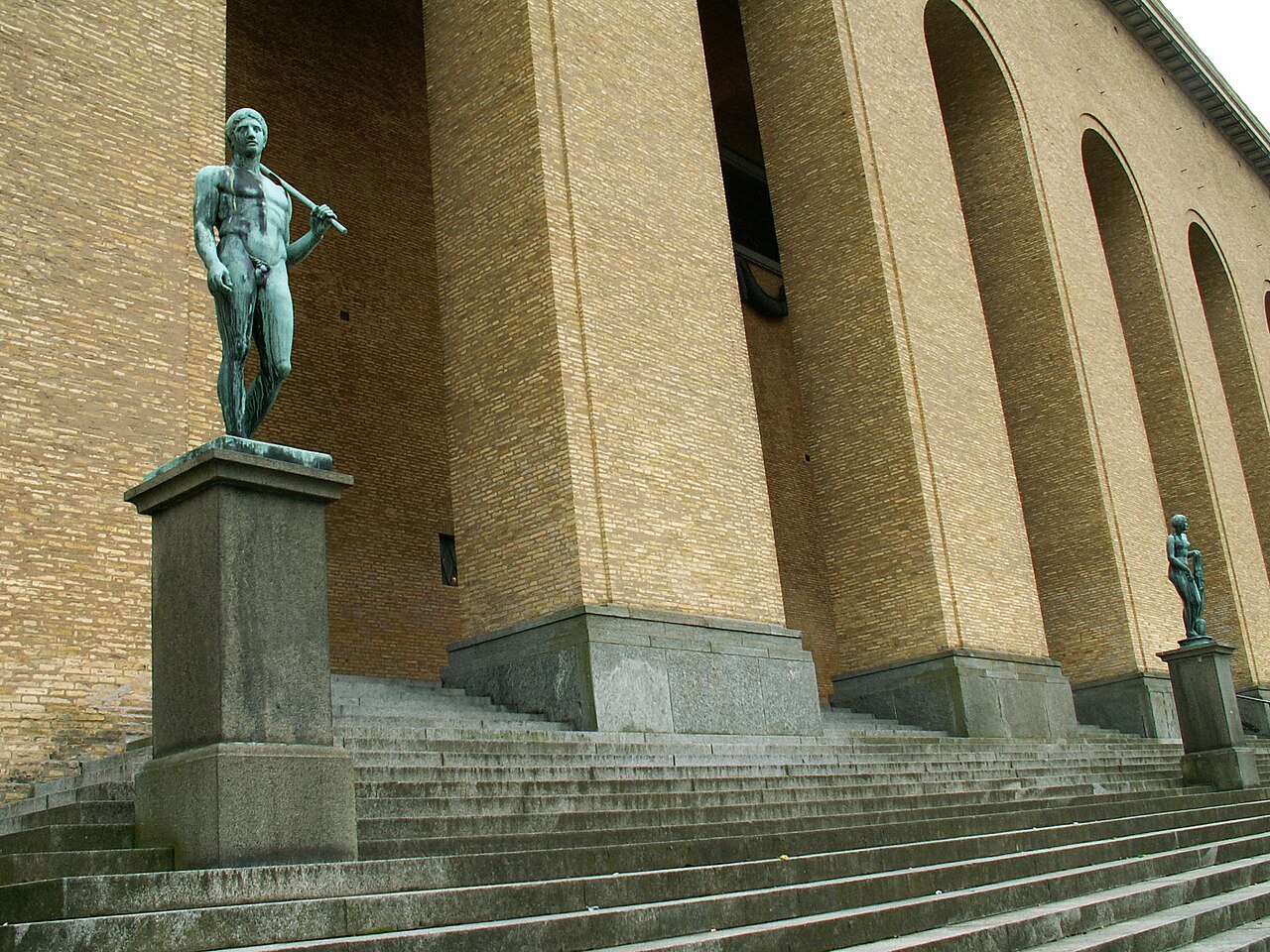
The Gothenburg Museum of Art, Göteborgs konstmuseum, stands on Götaplatsen at the top of Avenyn, opposite the concert hall and the theatre, in a building from the 1920s. In front of it stands the bronze Poseidon by Carl Milles, one of the city's best-known symbols. Inside, the collections cover Nordic art from the nineteenth and twentieth centuries, with important works by Swedish and Scandinavian painters, plus a collection of French art and old masters. The museum is calm, well laid out and rarely overwhelming, and it works well as a half-day indoor visit. The Fürstenberg Gallery, a collection of Swedish art from the late nineteenth century, is a highlight for those interested in how Swedish painters absorbed international influences.
Start in the Nordic galleries, where you can follow the shift from romantic landscapes to the more intimate, light-filled work of painters associated with Gothenburg and the west coast. Look for works by the Gothenburg Colourists and other regional artists who developed a distinct palette. The French collection offers Impressionist and Post-Impressionist pieces, and the sculpture hall includes pieces by Swedish masters. Temporary exhibitions rotate through the year and are worth checking in advance.
Museums in Sweden often close on Mondays, and some have late opening on a weekday evening, so check the current schedule. There is a cafe, a museum shop and lockers, and the spaces are accessible. Audio guides or tours may be available, and families can find trails and activities for children.
Location is a bonus. Götaplatsen is the cultural heart of the city, with the Concert Hall, the City Theatre and the Röhsska design museum nearby. It sits at the head of Avenyn, so you can walk down the boulevard afterwards for lunch or a coffee. The Botanical Garden and Slottsskogen are a short tram ride away if you want to pair art with green space.
A visit is a good wet-weather plan, but it is also a pleasant quiet hour on a busy sightseeing day. Combine it with a city pass if you plan several museum visits.
A smart way to use your time is to pick a theme. If you love landscape, follow the Nordic galleries from romantic mountain views to the soft, luminous coastal scenes of later painters. If you prefer portraits and people, seek the intimate domestic scenes and the modern portraits that show how Swedish society changed. For sculpture, the hall with works by Carl Milles and his contemporaries is a calm place to rest. Temporary exhibitions often bring contemporary artists or international loans, so check the website for the current programme.
Allow time for the museum shop and cafe, which are good places for a break and for design gifts. If you are visiting with children, ask for family trails or activity sheets at the desk. Photography rules differ by gallery, so look for signs. Afterwards, walk to the Röhsska Museum of design and craft nearby, or stroll down Avenyn for lunch. On rainy days, this is one of the most rewarding and relaxed indoor options in the city, and it pairs well with an afternoon coffee in the shopping streets.
What to expect
The experience
A major art museum with Nordic, French and old-master collections and rotating exhibitions.
Best time
Weekday mornings or a wet afternoon.
How long
One and a half to three hours.
Tips
Check Monday closure, look at the Poseidon statue outside and combine with a walk down Avenyn.
Quick picks
- Best for
- Art lovers and rainy days.
- Families
- Child trails help; keep the visit short for young ones.
- Couples
- A quiet, elegant hour followed by lunch on Avenyn.
- Pair with
- Avenyn, the Concert Hall and Röhsska design museum.
- Time needed
- One and a half to three hours.
Good questions
Where is the museum?+
On Götaplatsen at the top of Avenyn, in the cultural centre of the city.
Is it open on Mondays?+
Many Swedish museums close on Mondays. Check the current schedule.
What is the Poseidon statue?+
A bronze by Carl Milles in front of the museum, one of the city's best-known landmarks.
Is there a cafe?+
Yes, with a shop and lockers on site.
How long should I allow?+
One and a half to three hours depending on exhibitions.