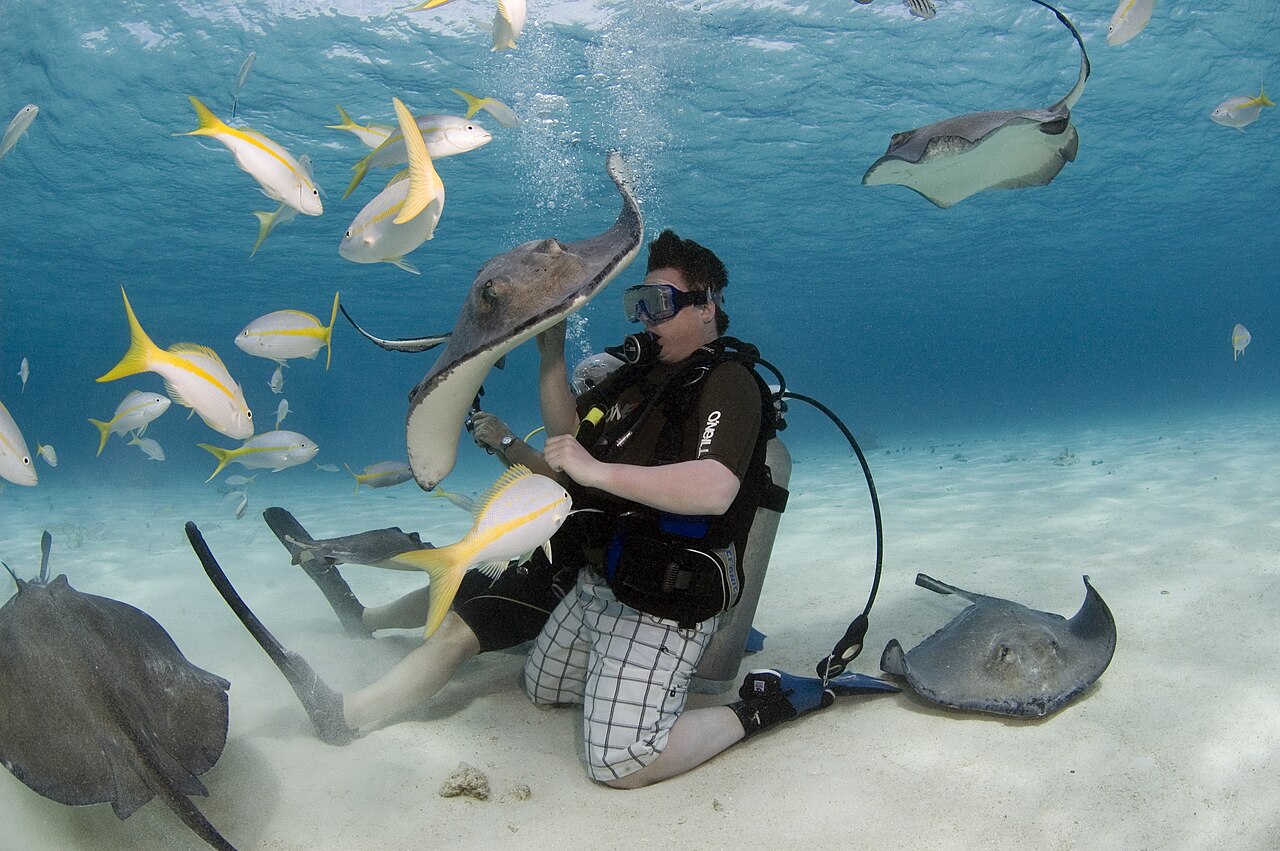
Grand Cayman is a year-round destination, but the experience changes noticeably with the calendar. The weather is warm in every month, so the real questions are how much rain you can tolerate, how busy you want the island to be and how much you want to pay. This guide lays out the seasons plainly so that you can choose your dates with confidence.
High season: December to April
These are the driest, least humid and most comfortable months, with temperatures typically in the mid 70s to mid 80s Fahrenheit, roughly 24 to 29 degrees Celsius. Seas are generally at their calmest and clearest, which makes this the best period for the Stingray City sandbar, reef snorkelling and diving. It is also the most expensive and the busiest time. Hotel rates peak, boat trips fill up and restaurants need reservations, so book flights, rooms and the sandbar several months ahead. If you want guaranteed sunshine for a honeymoon or a family holiday during winter breaks, this is the window.
Shoulder months: May and November
Early summer and late autumn are pleasant, with a slightly higher chance of rain than the winter months, lower prices and fewer people on the water. Dive sites are less crowded, hotels often offer better rates and you can usually get a boat trip on short notice. These months suit travellers who value flexibility over certainty. Pack a light rain jacket and plan indoor options such as the Crystal Caves, Pedro St. James or the National Museum for showers.
Low season: June to October
Summer and early autumn are hotter and more humid, with more frequent showers and the risk of tropical weather, since the Atlantic hurricane season runs from June through November. Prices drop, crowds thin and the island feels relaxed and local. Many visitors enjoy this season for diving, kayaking and quiet beach days, and families on school holidays often travel in summer. If you go, buy travel insurance, read cancellation terms carefully and keep an eye on forecasts. Morning boat trips usually have the best weather, because afternoon showers build later in the day. Late summer into early autumn is also when sea turtles nest on Caribbean beaches, so you may see signs asking beachgoers to keep lights low at night.
Events that shape the calendar
January brings the Cayman Cookout, a high-profile food and wine weekend based around the Ritz-Carlton. February is the time for the Kaibo Kitefest, May is Batabano, the island's carnival season, and November is Pirates Week, a long-running festival with parades, costumes and family events across the island. Events bring energy but also extra demand, so book rooms early if your dates overlap. Confirm each event's current schedule before planning around it, because organisers can change timing from year to year.
Choosing by activity
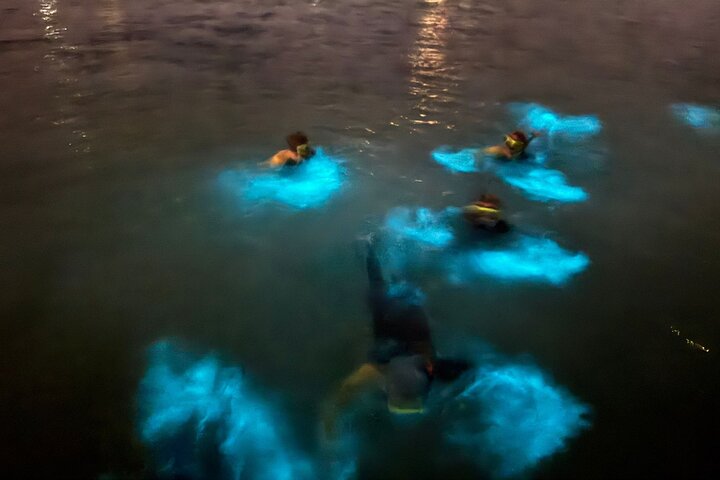
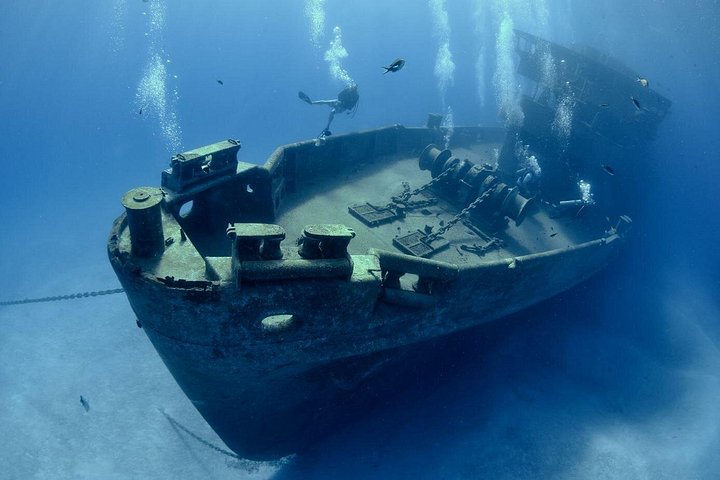
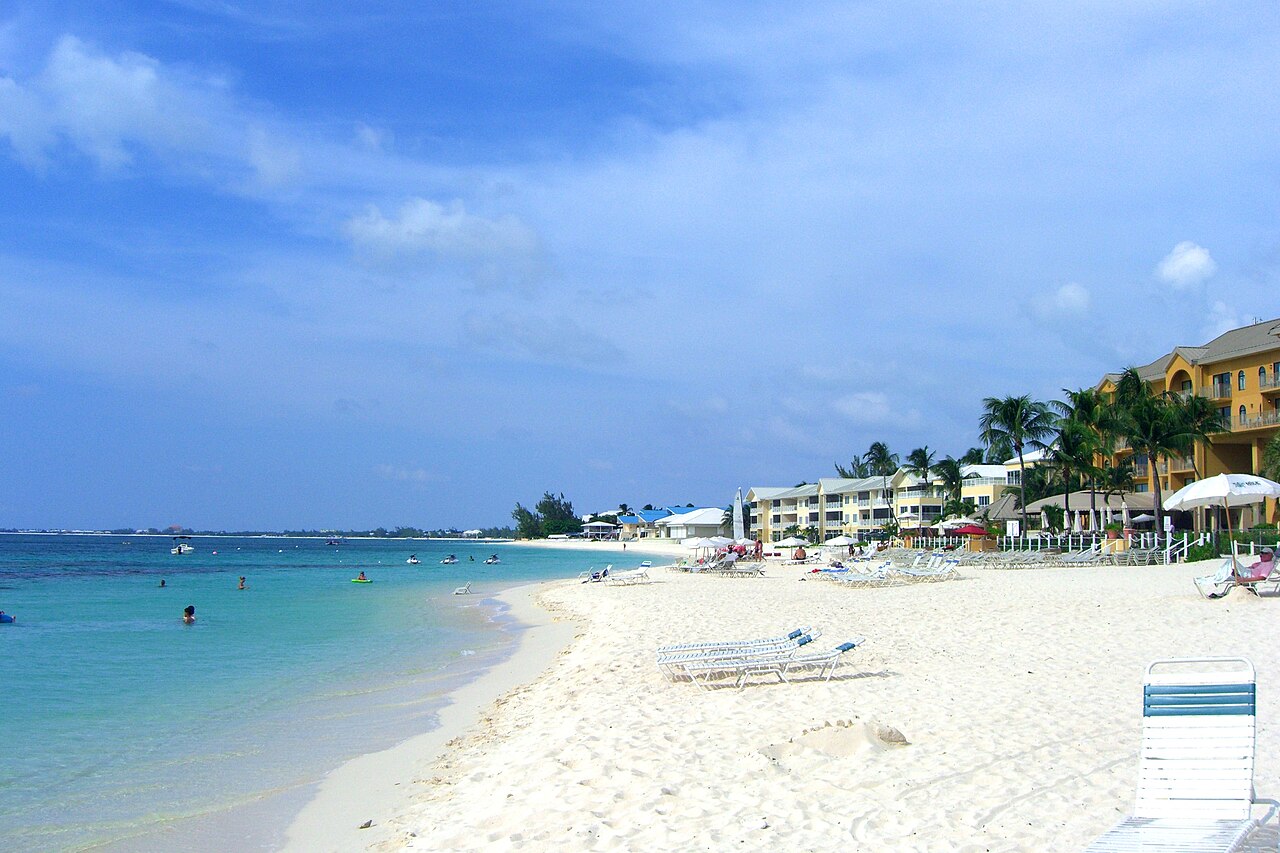
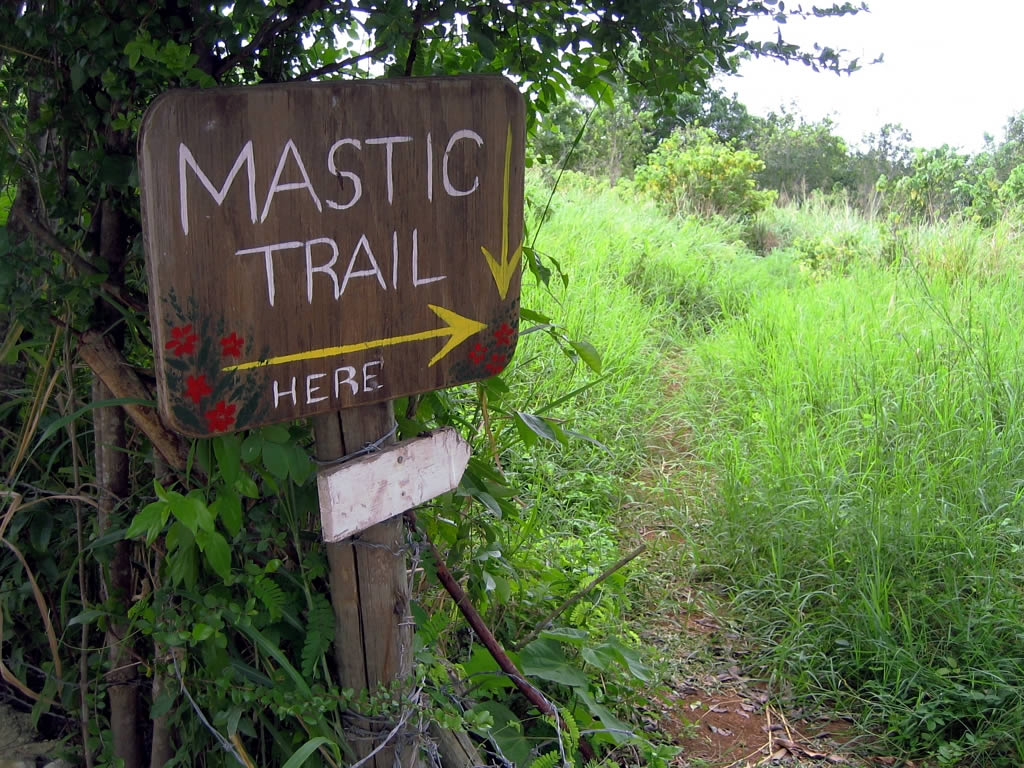
For Stingray City and Starfish Point, any month works, but winter has the calmest seas. For diving and snorkelling, the Kittiwake wreck and the reefs are rewarding year-round, with the best visibility and sea conditions generally in the dry months. For the Bioluminescent Bay, plan around the moon, since dark, moonless nights give the strongest glow. For Seven Mile Beach, the sand is lovely at any time, though winter swells can occasionally bring seaweed or rough water to some stretches and summer is calmer. For hiking the Mastic Trail, choose the cooler, drier months and go in the morning.
Choosing by budget
The cheapest months are generally the low season, from late spring through autumn, when hotels, flights and tours cost less. The best balance of weather and value is often the shoulder periods around May and November, or the early weeks of December before holiday demand takes off. If you must visit in peak winter, stay inland of the beach, such as at a condo or the Hampton, and spend the savings on tours.
Choosing by trip type
Couples and honeymooners tend to choose winter for dependable weather. Families often prefer summer for school holidays and the lower prices, accepting the heat. Divers get the best of both, with good conditions most of the year and fewer crowds in the shoulder and low seasons. Cruise passengers can check the port schedule, because a day with several ships in port makes the sandbar and George Town busy.
Packing and planning
Whatever the season, bring reef-safe sunscreen, a hat, a rain layer and water shoes, and expect air-conditioned interiors to feel cold. Check passport and entry requirements well before you travel and leave a flexible day in the middle of your trip in case weather moves a boat tour.