Grand Cayman has a reputation for upscale resort dining, and it deserves it, but the island also has a home-cooking tradition built on fish, cassava, coconut and scotch bonnet pepper. The best eating trips mix the two: a polished dinner at a beachfront restaurant one night, a plate of local fish and a slice of heavy cake at a small kitchen the next. This guide explains the dishes to look for and how the food scene is laid out, so you can order with confidence.
Dishes worth knowing
Fish tea is a thin, peppery soup made with fresh fish and root vegetables such as yam, cassava and pumpkin, seasoned with thyme and often finished with coconut milk. Rundown, sometimes written run-down, is a coconut-milk stew with okra, cassava and scotch bonnet, and on Grand Cayman it is usually made with local fish such as mahi-mahi. Cayman-style beef is marinated beef cooked slowly with onions, garlic and peppers, typically served with coconut rice and peas and fried plantain. Conch appears as cracked conch, which is pounded thin and fried, and as a spicy stew with potatoes and dumplings. Jerk chicken and goat curry show the strong Jamaican influence that runs through the Caribbean, and both are worth trying where you find them done well.
Lionfish, the guilt-free fish
Lionfish are an invasive species that harm native reef fish, and local divers and restaurants encourage eating them. The firm white meat appears fried, in ceviche, in tacos and as sushi, and ordering it is a small contribution to reef conservation. If you see it on a menu, try it. Divers who book guided dives may also hear about culling programmes, which are another reason the fish is so common on plates.
Sweet things
The island's signature dessert is heavy cake, also called cassava cake, made from grated cassava, coconut milk, brown sugar and vanilla and baked until dense and chewy. Sweet potato and yam versions exist as well. Rum cake is the classic souvenir, and many shops in George Town and at Camana Bay sell it in gift tins that travel well. Fresh coconut water, tropical juices and fruit punches fill the gaps between meals.
Rum and drinks
Rum is the island spirit, and the Cayman Spirits Co. Distillery tour is the easiest way to taste locally made rum and learn how it is produced. A rum punch at a beach bar is the other standard order, and rum-based iced tea cocktails appear on many menus. Local beer and international wines are widely available, and most resorts have cocktail lists that lean on tropical fruit. Water from the tap is safe to drink in most places, but visitors often prefer bottled water for taste.
Where food clusters
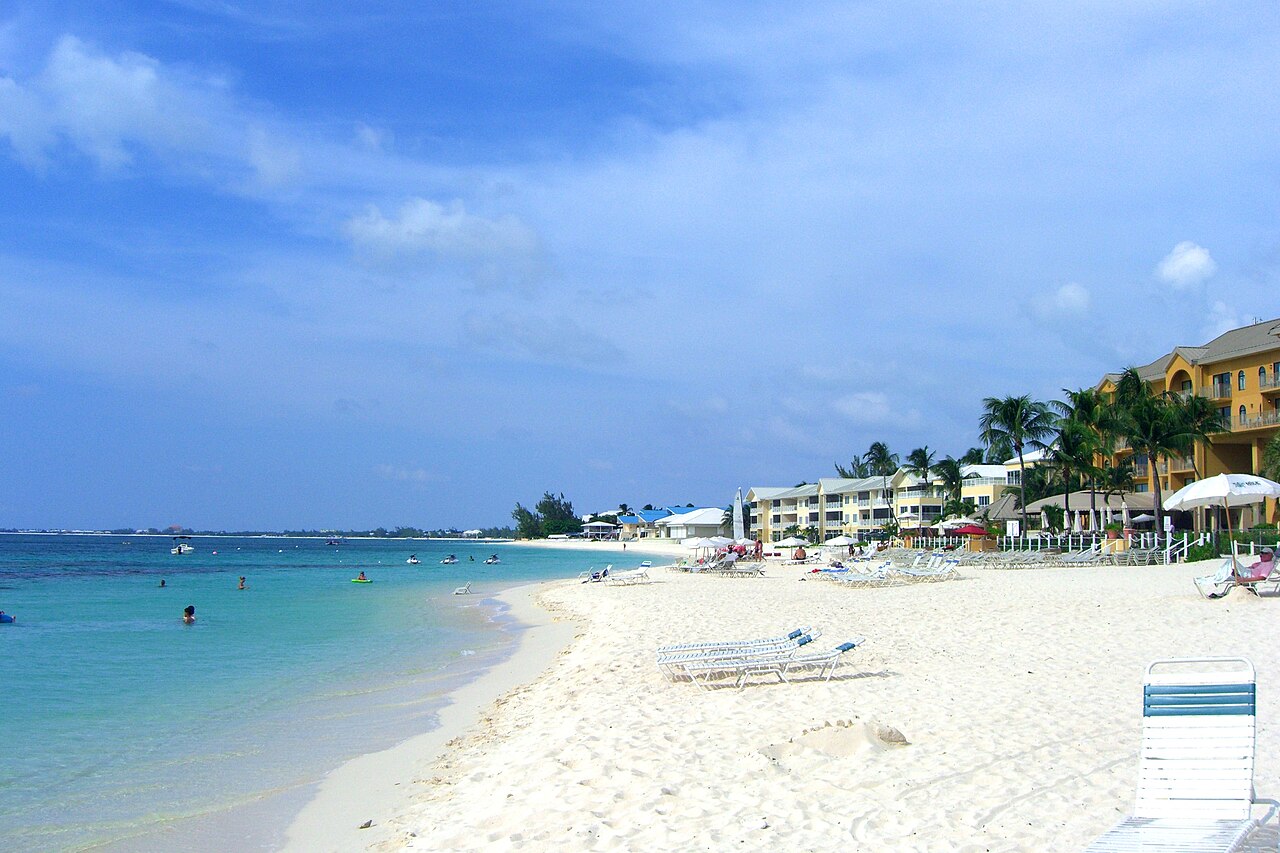
Seven Mile Beach is the busiest dining strip, with beachfront restaurants at the major resorts and many independent restaurants along West Bay Road. Camana Bay is the most convenient walkable option, with a range of cuisines within a few streets, from contemporary to pan-Asian and Indian, and a Wednesday farmers and artisans market where you can sample local produce and baked goods. West Bay is a good place to look for local fish tea and rundown, and Rum Point on the north shore is the classic beach lunch, with shaded tables and a casual feel. George Town is better for weekday lunches and shopping, and it quiets down in the evening when cruise ships leave.
How to eat well
Book dinner reservations ahead during the winter and spring high season, especially for beachfront tables at sunset. Lunch is the best value meal, and many restaurants run similar menus at lower prices in the middle of the day. Ask your hotel concierge or a driver where locals eat, because the best small kitchens do not always advertise. Several tour operators include a simple lunch or a rum punch, which can fill a slot on a boat day.
Paying and tipping
Many restaurants add a service charge of around 15 percent to the bill automatically, so check before adding a tip, and smaller places may leave it to you. Hotels and condos often add a gratuity as well. US dollars are accepted everywhere, but change usually comes back in Cayman dollars, where US$100 equals KY$80. Cards are widely accepted, but carry a little cash for roadside stalls and food trucks.
A simple eating plan
Start with a local breakfast of fruit, eggs and baked goods, have fish tea or rundown for lunch in West Bay on the day you visit the Turtle Centre, and book a long beachfront dinner on your last night. Add a distillery visit for a taste of local rum, a cassava cake for the road and a lionfish dish for the story. That is a complete introduction to how Grand Cayman eats.