Most people come to the Great Ocean Road for the limestone cliffs, but the quieter reward is the nature behind the coast. Between Lorne and Cape Otway the road runs along the edge of the Otway ranges, where tall forest meets the sea. This guide pulls together the places where wildlife and rainforest are easiest to enjoy, and how to see them without disturbing them. It suits families, couples and anyone who would rather spend a morning among trees than in a car park.
Koalas at Kennett River
Kennett River is the best-known place on the coast to see wild koalas. The animals live in the gum trees beside the Grey River Road, and you can often spot them from the track without walking far. A walk of 30 to 60 minutes is enough, and longer if you follow the track further into the forest. Koalas sleep for most of the day, so you are usually looking for a grey shape wedged in a fork of a tree. Look up, walk slowly and use binoculars if you have them. Spring is a good time to see mothers carrying young. The same area is known for bright parrots, so bring your camera.
Koalas near Cape Otway
The road out to Cape Otway Lightstation runs through manna gum forest, and koalas are often seen in the trees beside it. This is a good reason to drive slowly, to pull over in a safe place and to keep your eyes on the branches. Cape Otway is a heritage stop in its own right, with the oldest surviving lighthouse on mainland Australia, so it combines well with a wildlife drive. Check which parts of the precinct are open before you set out.
Walking the rainforest
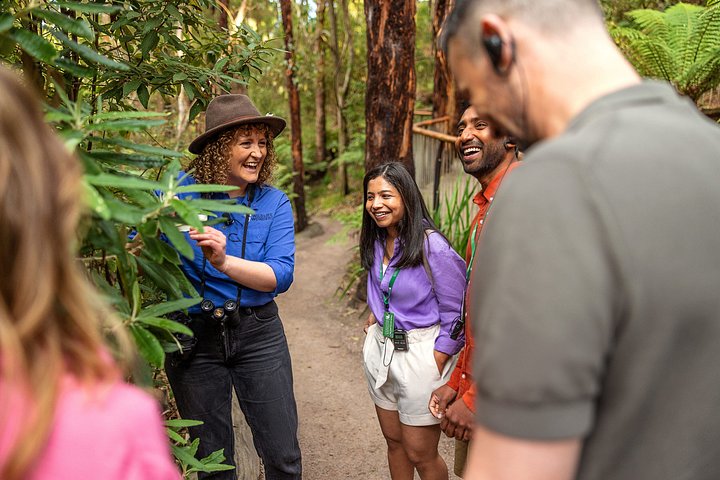
Great Otway National Park covers much of the hinterland, and its cool temperate rainforest feels very different from the coastal heath. Giant tree ferns, mossy trunks and tall mountain ash create a green, quiet world, especially after rain. The Maits Rest circuit is a short, easy boardwalk loop that suits most visitors, including families with young children, and it shows the forest at its best with little effort. Waterfalls are a feature of the ranges, and they run strongest in winter and spring. Wear shoes with grip, because tracks can be wet and slippery, and carry a rain jacket. A day in the park can be as short as one hour or as long as a full day, depending on how many walks and falls you choose.
Above the forest: the Otway Fly
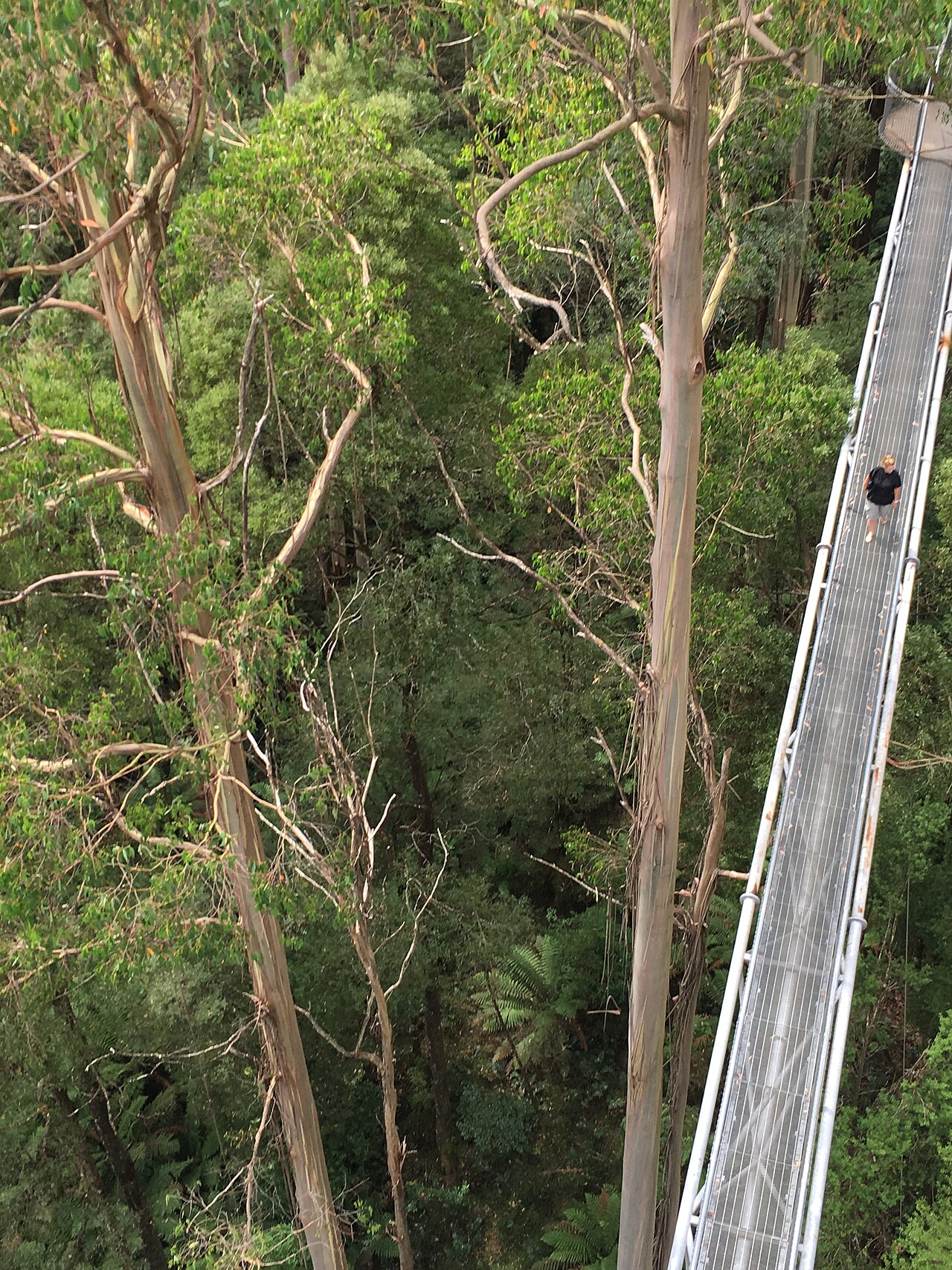
If you prefer to see the rainforest from above, the Otway Fly Treetop Walk raises you onto a steel walkway through the canopy. It is a good option for visitors who want to stay on a gentle path, and it takes about one to two hours. Allow extra time if you want a cafe stop or the zipline tours that run on the same site. Weather can affect the experience, since mist drifts through the canopy in cool months, but that is part of the atmosphere.
Birds, kangaroos and whales
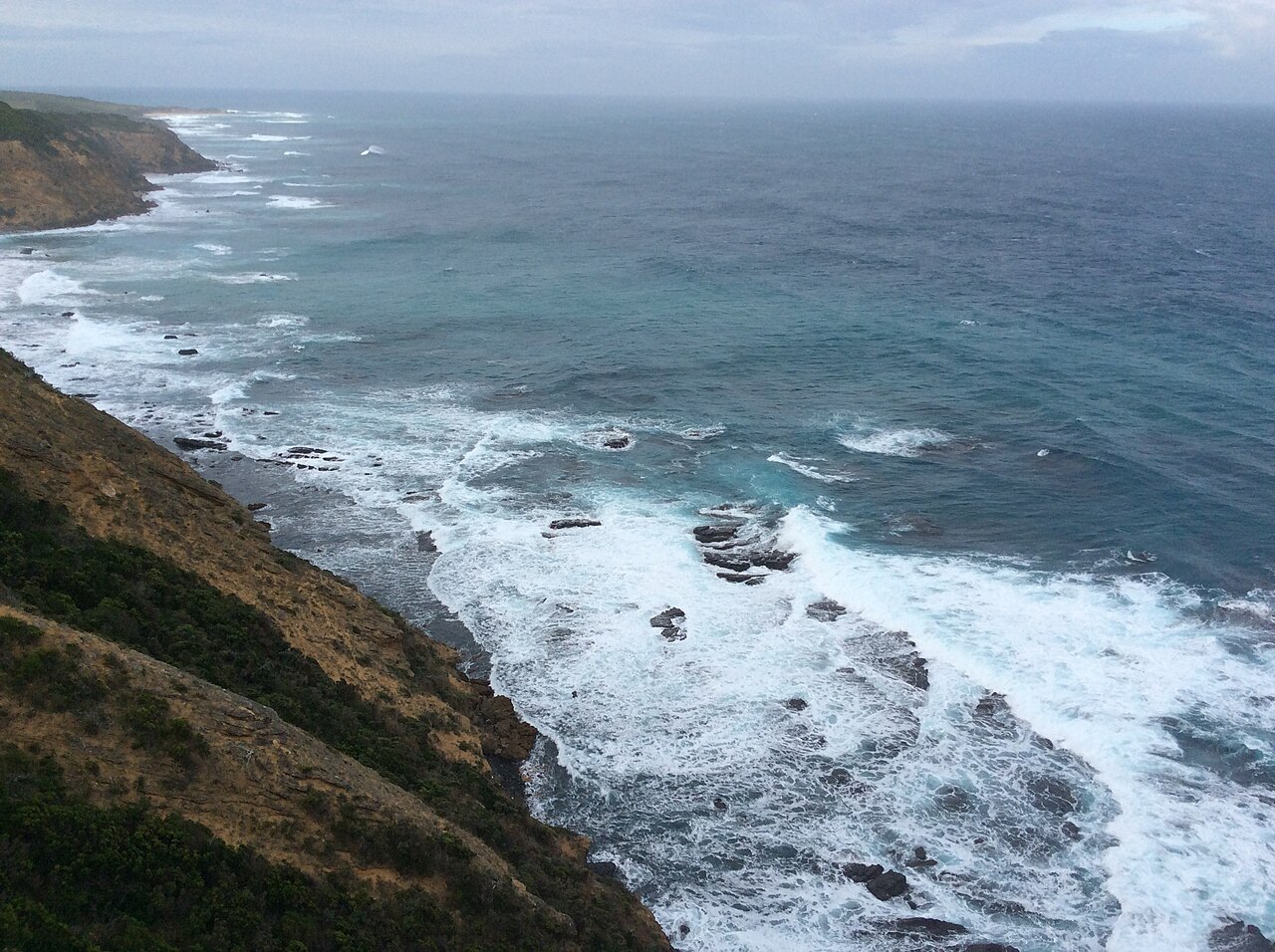
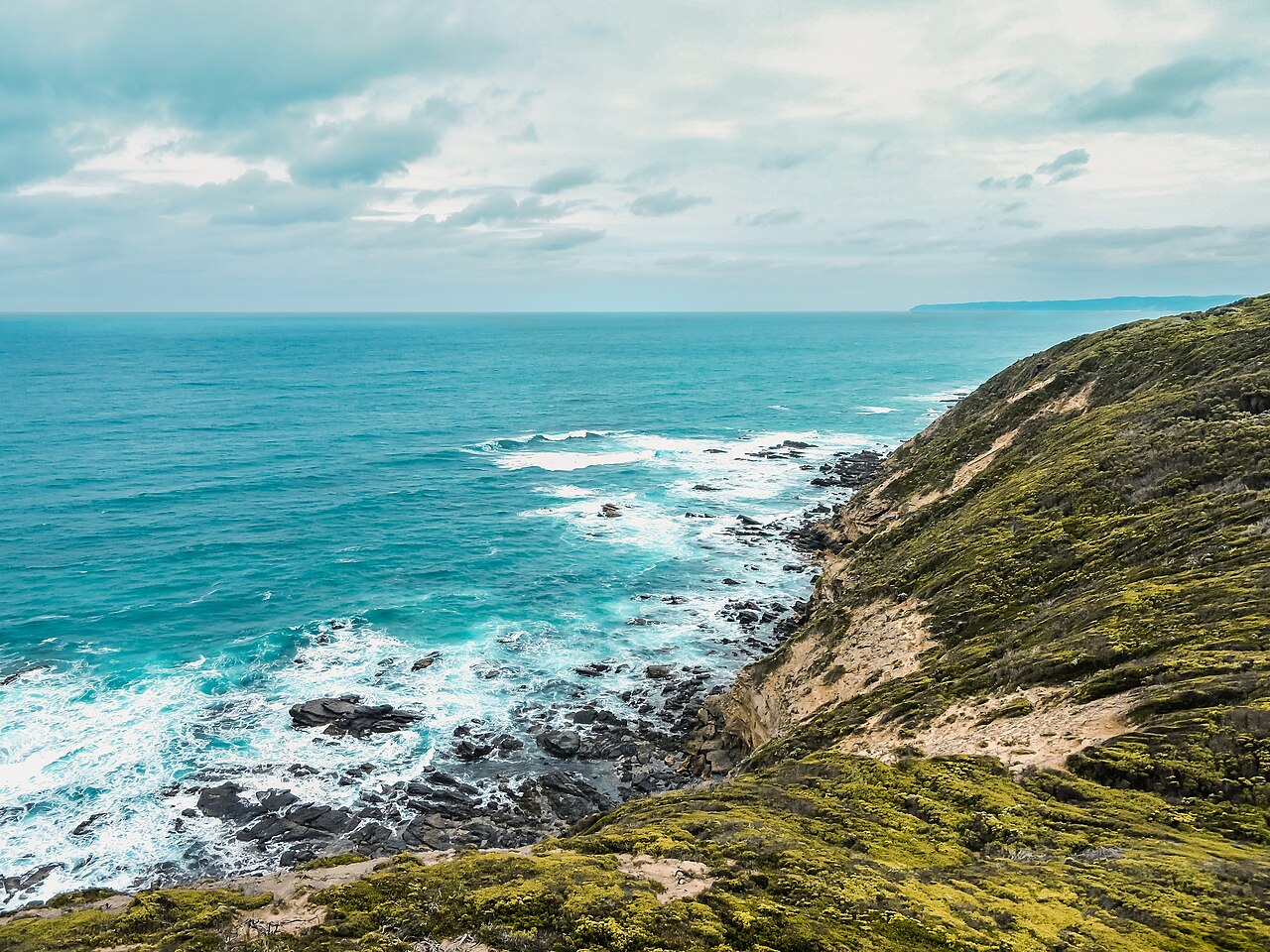
Besides koalas, you may meet colourful parrots, wallabies and kangaroos, especially at the edges of the day. Kangaroos and wallabies move onto the road at dusk, so avoid driving long distances after sunset. Whales pass close to the coast from about May to October, and southern right whales are often seen from headlands, so bring binoculars and be patient. Cliff-top viewpoints around Port Campbell and the Apostles are good places to scan the sea.
Watching wildlife well
Keep your distance and never feed wild animals, because human food harms them and teaches them to approach cars. Do not touch koalas or try to coax them down from trees. Stay on marked tracks, keep your voice low and take rubbish with you. If you see an injured animal, contact the local wildlife rescue service rather than moving it yourself. Keep dogs out of national parks unless signs permit them.
A simple wildlife day
Start at Kennett River in the morning, drive on to Apollo Bay for lunch, then spend the afternoon in the Otways at Maits Rest and the Otway Fly. Finish at Cape Otway, watching the trees for koalas as the light drops. It is an easy day with little driving, and it pairs well with a night in Apollo Bay. If you have a second day, leave early for the Apostles and let the coast take over.