The Great Ocean Road can be good in any month, but each season rewards a different kind of visitor. Remember that this is the southern hemisphere, so summer runs from December to February and winter from June to August. The coast is open to the Southern Ocean, which means that the weather changes fast in every season, and a sunny morning can become a cold, wet afternoon. Pack layers whenever you go, and treat the following as a guide to character rather than a forecast.
Summer, December to February
Summer is the busiest and warmest season, and the one when beach towns such as Lorne, Torquay and Apollo Bay are at their liveliest. It suits families who want to swim, walk and eat outdoors, and the long days leave time to fit a lot into a single drive. The cost is traffic and crowds, especially on weekends, school holidays and around the new year. Accommodation books out early, car parks fill and the road moves slowly behind caravans and coaches. Fire danger is real in the hills, so check the fire danger rating and warnings before you set out, and be ready to change your plans on a day of extreme danger. Book the Twelve Apostles slot, your hotel and any helicopter flight well ahead.
Autumn, March to May
Many regular visitors consider autumn the best season. The summer crowds have gone, the sea is still mild early in the season and the days are often clear and settled. Photographers like the softer light, and the road is easier to drive. Bells Beach starts to pick up more swell as autumn moves towards winter, so surfers and surf watchers have a good chance of seeing real waves. Whale season begins to open in May, so it is worth bringing binoculars for the headlands.
Winter, June to August
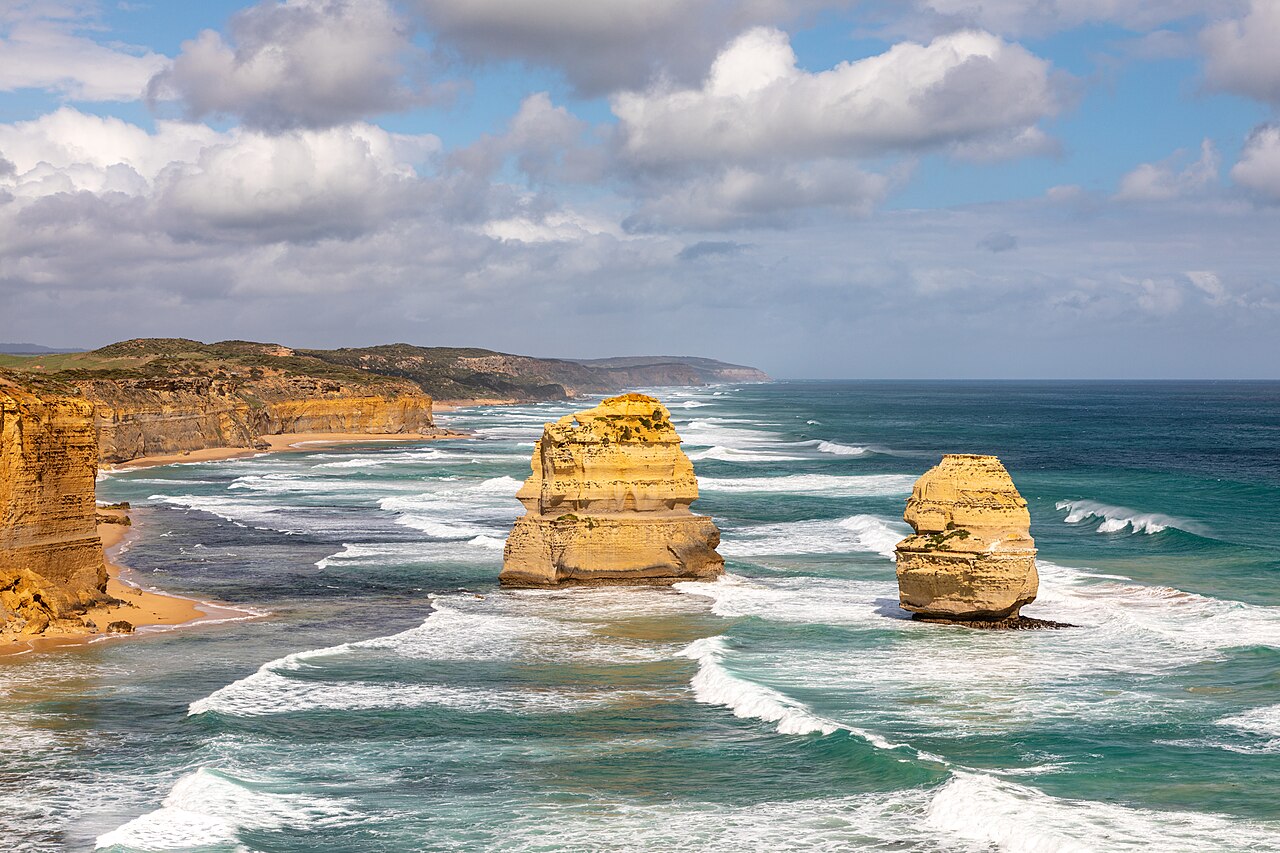
Winter is the quiet, moody season, and it has its own appeal. The coast can be wild, with big swells, strong wind and dramatic skies over the Apostles, and you will often have viewpoints almost to yourself. Whales are commonly seen from May to October, with southern right whales passing close to shore, so winter is the best time to look for them from the cliffs. The Otway rainforest is at its greenest and its waterfalls run strongest, which makes it a lovely time for walks, as long as you wear proper shoes and carry rain gear. The drawbacks are short days, cold wind at the viewpoints and some businesses that keep shorter hours, so check before you go. Winter suits couples, photographers and anyone who prefers atmosphere to sunshine.
Spring, September to November
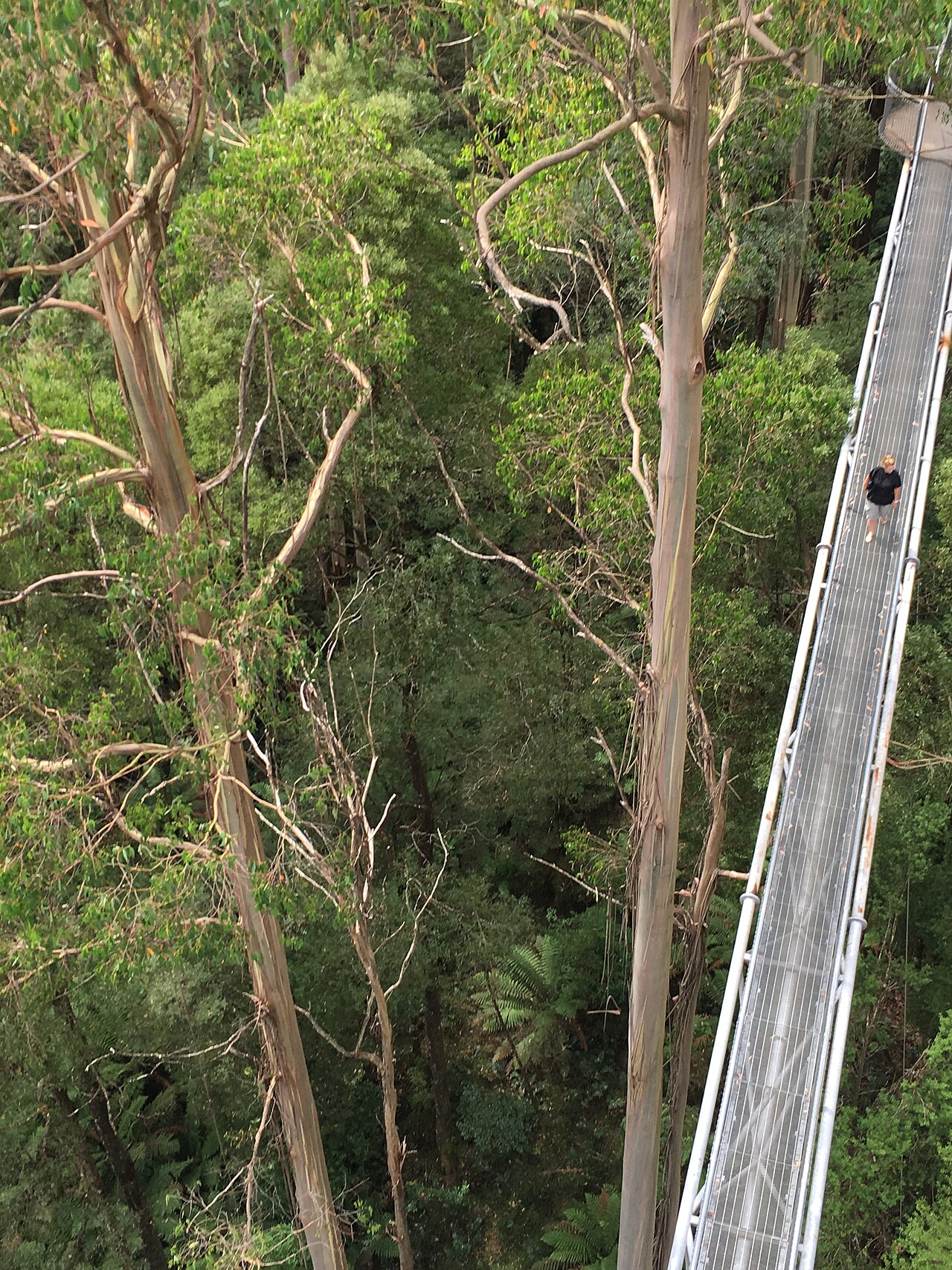
Spring is a balanced choice. Hills are green, wildflowers appear along the walking tracks, the weather begins to warm and the crowds are lighter than in summer outside the school holidays. Whale watching continues into October, and koala mothers may be seen carrying young at Kennett River. Rain showers are still common, so keep that jacket close. Spring is a good time for the Otway Fly Treetop Walk and for the rainforest circuits in Great Otway National Park, because the forest is fresh and the paths are quiet.
Choosing by interest
Surfers and surf watchers should aim for autumn or winter, when Bells Beach gets its biggest swells. Families who want beach time should choose summer, and book early. Photographers should choose sunrise and sunset in any season, with autumn and winter giving the most dramatic skies. Wildlife lovers should choose spring for koalas and the Otway forests, and late autumn through winter for whales. Couples who want quiet roads and cosy stays should look at autumn, winter and spring.
Time of day matters too
At the Twelve Apostles, sunrise and sunset are the most atmospheric times, while the middle of the day is when tour coaches arrive. Because the precinct uses timed entry, choose an early or late slot and sleep nearby, in Princetown or Port Campbell, so you do not have to drive four hours on the same day. On the coast road, plan to be off the narrow sections before dusk, when kangaroos and wallabies move onto the verge.
Safety in every season
Stay well behind the fences at the cliffs, which are unstable at any time of year. Do not swim at the stack beaches, where currents and waves are dangerous. Carry water, sun protection and a rain jacket in summer, and warm layers in winter. Check the VicEmergency app and local road warnings before you leave each day, because storms, fire and landslips can close sections of the road. Prices and opening hours change, so check the venue pages for current details before you travel.