Guangzhou has a humid subtropical climate, which means long, hot summers, a damp spring and a mild, drier winter. The season you choose affects your comfort, your hotel price and what you can do outdoors. There is no bad time to eat dim sum, but if you want to climb Baiyun Mountain or walk the old lanes in comfort, the season matters.
Spring, March to May
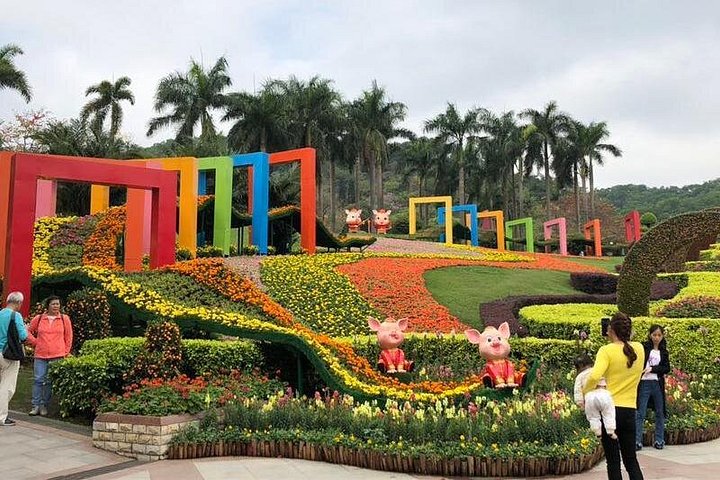
Spring is warm and often damp. The humid spells known locally as the damp return of the south wind can bring fog, drizzle and high humidity, particularly in March and April. Flowers bloom, and the city is green, but clothes and bags take longer to dry. Showers are frequent, so carry a compact umbrella. The spring trade fair runs in this period, which raises hotel prices and fills rooms in Tianhe and Pazhou.
Summer, June to August
Summer is hot, humid and wet, with daytime temperatures often in the mid-thirties Celsius and heavy afternoon thunderstorms. Typhoons can affect the coast between summer and early autumn, occasionally disrupting flights and outdoor plans. Plan outdoor sightseeing for mornings and evenings, take a break in an air-conditioned teahouse or museum in the afternoon, and carry water. It is the low season for many hotels, so prices can be attractive.
Autumn, September to November
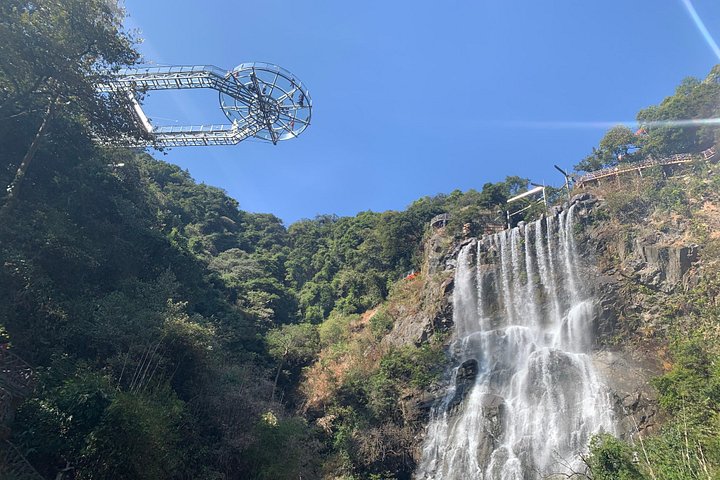
Autumn is one of the best seasons. The heat fades gradually, skies are clearer and the humidity drops, with October and November the most comfortable months for walking. Early October includes a national holiday, which brings crowds to major sights and trains, and the autumn trade fair raises hotel prices again. Outdoor sights such as Baiyun Mountain, the Pearl River cruise and the old lanes are at their best.
Winter, December to February
Winter is mild, with daytime temperatures in the teens and low twenties Celsius and cooler nights. It is generally drier and sunnier than summer, although there can be grey, drizzly spells and the occasional cold snap, and many buildings are not heated. It is a pleasant season for sightseeing, and the Lunar New Year period features flower markets, a Guangzhou tradition of buying blossoms for the festival. Note that the festival period brings closures of some shops and restaurants, and large travel crowds.
Festivals and holidays
The Spring Festival in late January or February is the biggest holiday, with family gatherings, flower fairs and lion dances, and many people leave the city for their hometowns. The Mid-Autumn Festival is a good time for lanterns and mooncakes. The national holiday in early October and the May holiday bring crowds across the country, so book hotels and trains early or avoid those weeks.
Trade-fair periods
Guangzhou hosts a huge trade fair in spring and autumn, and the surrounding weeks can see sharp rises in hotel rates, packed restaurants and busy metro lines. If you are not attending, check the fair dates before you fix your trip and consider staying in the old west, where the effect is less intense.
What to pack
In summer, bring light, breathable clothing, sun protection, a compact umbrella and sandals or shoes that dry quickly. In spring, add a light rain jacket. In autumn, bring layers for evening river breezes. In winter, bring a warm layer for cooler nights and indoor spaces without heating. In every season, comfortable shoes are essential.
The short answer
Choose October to December for the most comfortable weather, avoiding the national holiday and trade-fair weeks if you can. Winter is pleasant and good value, spring can be damp and summer is hot, but all seasons have a charm, and the city's food and indoor attractions work in any weather.
Booking around the weather
Check typhoon forecasts in summer and early autumn if you have day trips planned, and keep one flexible day in your itinerary. Boats and mountain attractions may close in bad weather, while museums, teahouses and malls provide good backup plans.
Day length and light
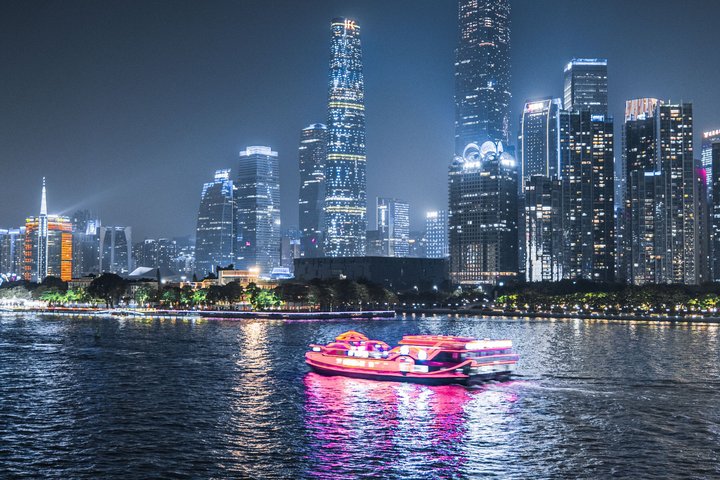
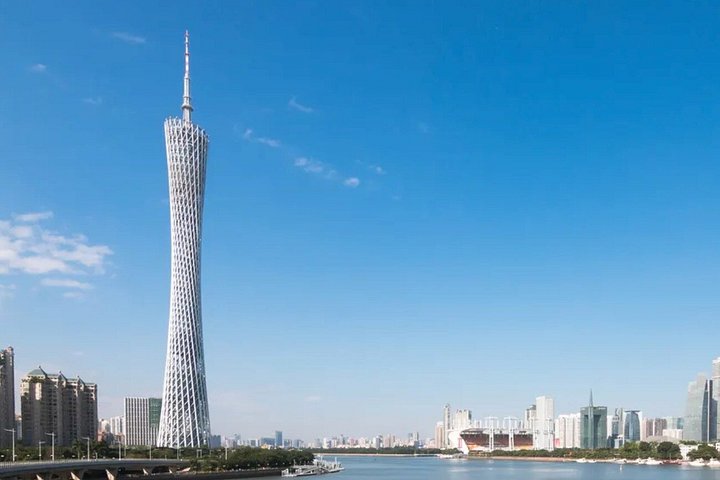
Daylight is long in summer, with sunset after seven in the evening, and shorter in winter, when it falls around half past five. This matters for Canton Tower and the cruise, because an early winter dusk means you can see the city lit up at a civilised hour, while summer visitors may wait until after dinner for the lights.
Crowds and prices
The busiest times are the Spring Festival, early October and the trade-fair weeks, when hotels, trains and attractions are full. The quietest, and often cheapest, are the hot months of June to August and the cooler weeks of late winter outside the holiday. Midweek visits are calmer than weekends at all times of year.