Guangzhou is the capital of Guangdong province and one of the great trading cities of China, a place that has been welcoming merchants from across the world for more than two thousand years. It sits on the Pearl River, a short train ride from Hong Kong and Shenzhen, and it combines old merchant lanes, colonial-era islands and temple courtyards with gleaming towers, huge malls and one of the most celebrated food cultures in Asia. For a first-time visitor the city can feel enormous, but it is much easier to enjoy once you understand its shape and rhythm.
Understand the layout
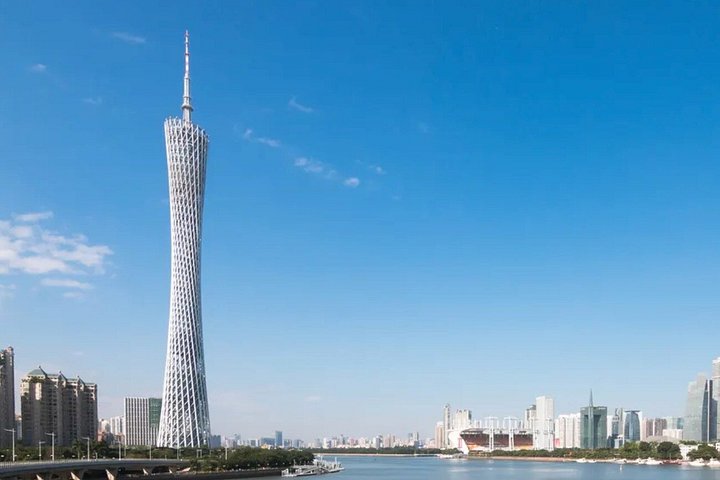
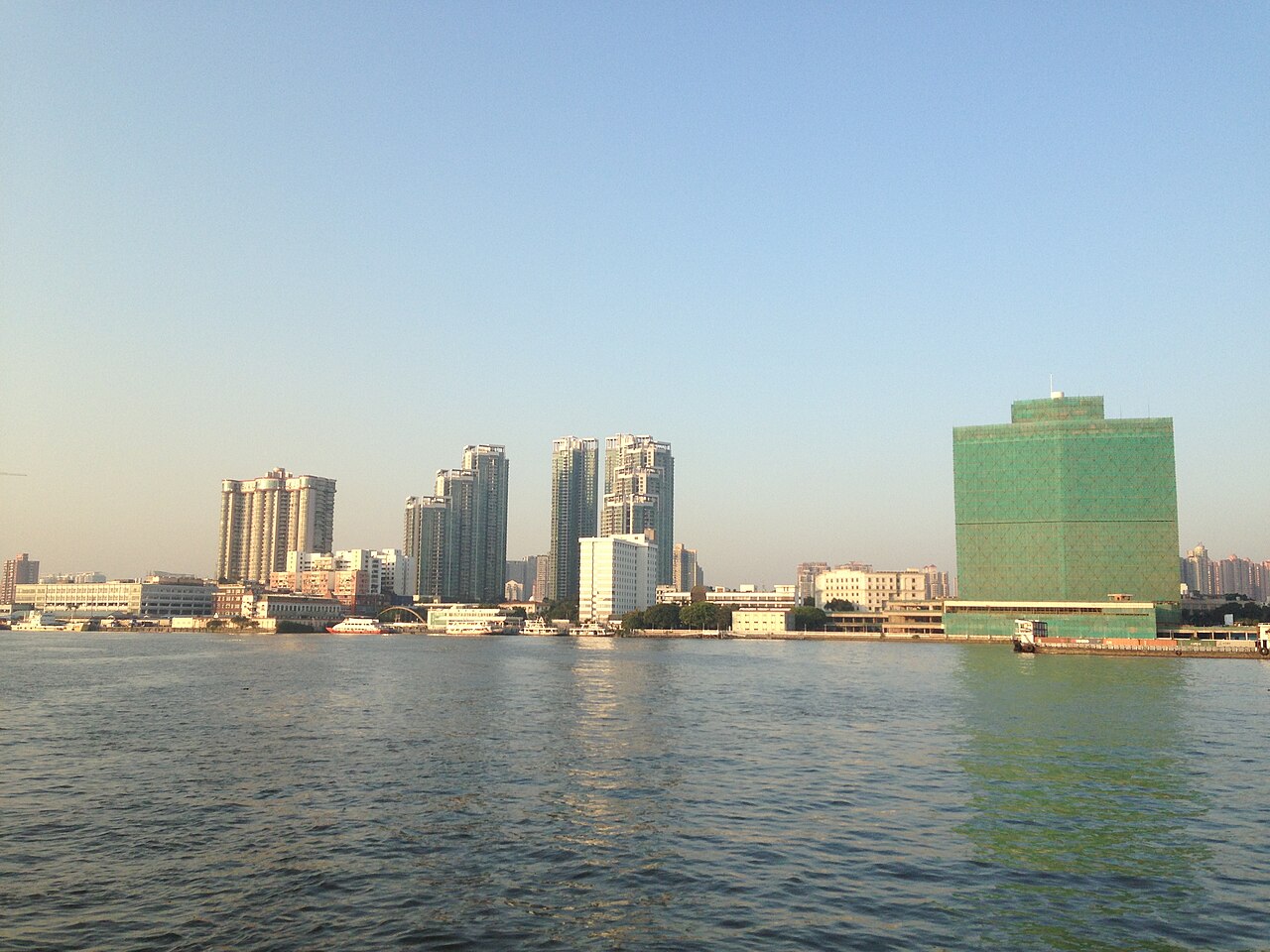
The city stretches along the Pearl River, with the old western districts of Liwan and Yuexiu on one side and the modern business and cultural district of Tianhe and Zhujiang New Town to the east. Canton Tower stands on the south bank of the river opposite the new town and is the easiest landmark to navigate by. Shamian Island, the Chen Clan Academy, Shangxiajiu and the Xiguan lanes lie in the old west, while Yuexiu Park and the Nanyue King Museum sit in the centre. Further out, Panyu in the south holds the Chimelong resort, and Baiyun Mountain rises to the north.
The sights to see first
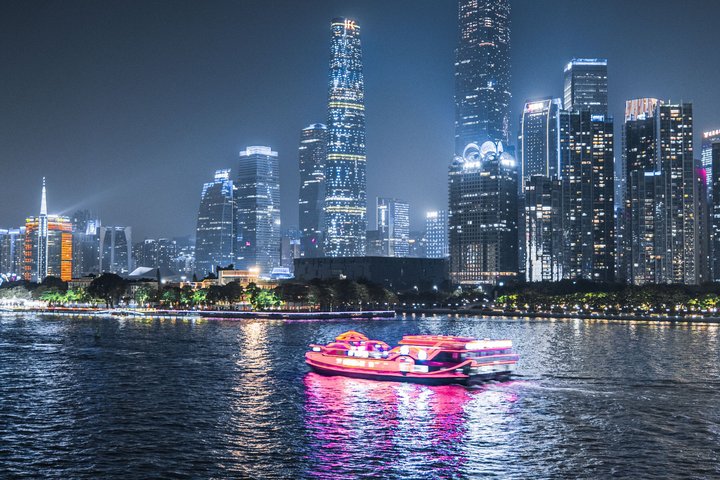
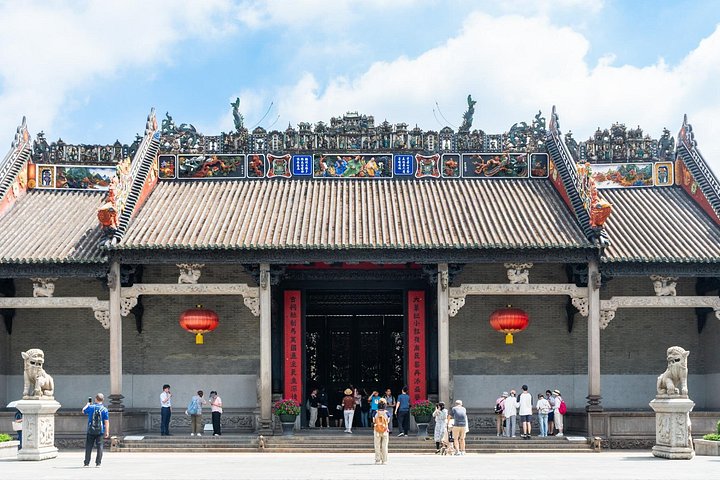
Start with the places that explain the city: the Chen Clan Academy for Lingnan craft, Shamian Island for the colonial layer, Yuexiu Park and the Temple of the Six Banyan Trees for history and greenery, and Canton Tower with a Pearl River night cruise for the modern skyline. Add a yum cha session in a teahouse, because eating is not a side activity in Guangzhou but the main event. If you have time, the Nanyue King Museum gives the deep history, and a day trip to Foshan adds temples, kilns and kung fu.
Getting around
The metro is clean, cheap, air-conditioned and extensive, and it is the best way to cross the city, especially at rush hour when roads are jammed. Signs are in Chinese and English, and you can buy single-journey tickets at machines or pay with a mobile app. Taxis and ride-hailing cars are inexpensive, but drivers rarely speak English, so keep your destination in Chinese on your phone or on a card from your hotel. For short trips in the old districts, walking is often the best option, and river ferries offer a pleasant change.
Money, phones and apps
China is largely cashless, and most shops, taxis and even snack stalls expect payment through a mobile wallet. Foreign cards can usually be linked to the main payment apps, so set this up before you arrive if you can, and carry some cash as a backup because not every small vendor accepts cards. Many Western websites and apps do not work reliably without a roaming connection or a suitable tool, so download offline maps, a translation app and your hotel details before you go. Entry and visa rules change, so check the current requirements for your passport well before you travel.
Food and drink
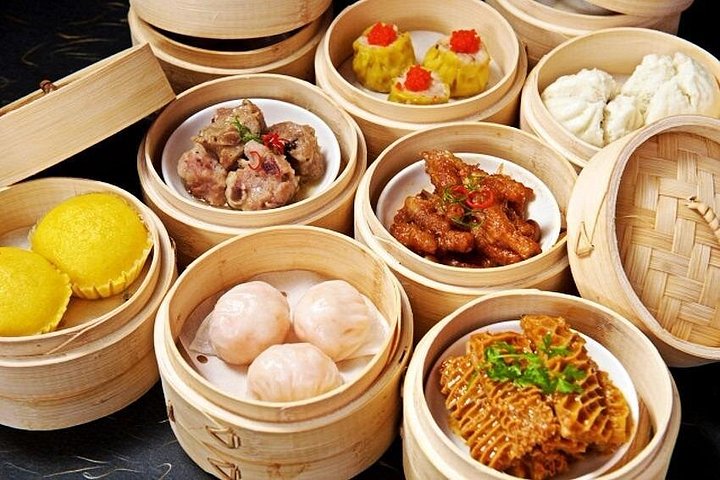
Cantonese cuisine is mild, fresh and varied, and it is a delight for first-time visitors who are nervous about heat or unfamiliar flavours. Dim sum, roast goose, congee, wonton noodles, steamed fish and sweet desserts are all easy starting points. Tea is served with almost every meal, and the local saying about eating everything with legs except tables reflects a cuisine that uses a wide range of ingredients. You can always point to a picture or use a translation app, and vegetarian travellers should say clearly that they do not eat meat or stock, since many dishes use pork lard or broth.
Weather and timing
Guangzhou has a humid subtropical climate, with hot, sticky summers, a rainy spring and a mild, drier winter. Autumn and early winter are the most comfortable seasons for sightseeing, while summer calls for early starts and indoor breaks in the afternoon. Carry a compact umbrella throughout the year, because showers can arrive quickly. See the best time to visit guide for a month-by-month view.
Language and etiquette
Cantonese is the local language, although Mandarin is widely understood and English is limited outside international hotels and big attractions. A smile and a polite gesture go a long way, and a translation app solves most problems. Queue for the metro and taxis, keep your voice moderate in temples, and ask before photographing people. At meals, do not stick chopsticks upright in rice, and expect shared tables in busy teahouses.
How long to stay
Three days is enough for the main city sights, the food scene and one short excursion. A fourth or fifth day lets you add a day trip to Foshan, Kaiping or Gulong Gorge, or a day at the Chimelong parks. If you are passing through on a layover or on the way to Hong Kong, even one full day gives you Canton Tower, a river cruise and a dim sum lunch.
A simple first plan
On day one, take in the old town: the Chen Clan Academy, Shangxiajiu, Shamian Island and a river cruise at dusk. On day two, visit Yuexiu Park, the Nanyue King Museum and Canton Tower. On day three, join a yum cha tasting in the morning and choose a day trip or a park for the afternoon. This covers the essentials while leaving room to adjust for weather and energy.