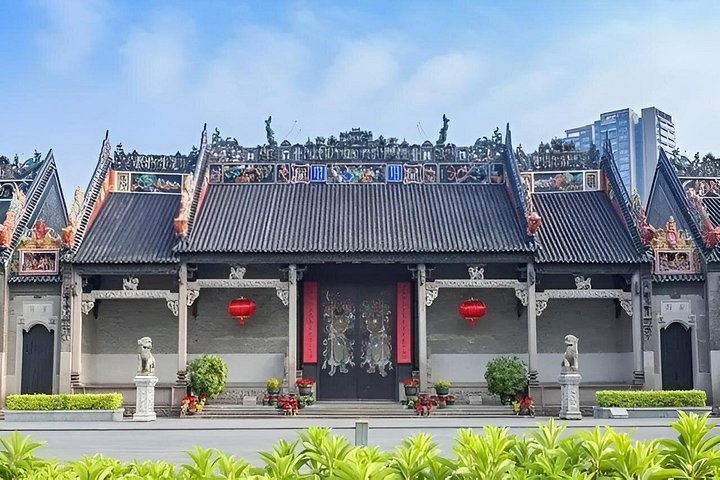
Guangzhou is the capital of Cantonese cuisine, and eating here is the reason many people visit. The cooking is built on fresh ingredients, light seasoning and careful technique, so flavours are clean and balanced rather than heavy with chilli. From a bowl of congee at dawn to a late-night dessert, the city offers meals at every price level, and the best ones are often the simplest. This guide covers the essential dishes and habits to help you eat well.
Yum cha and dim sum
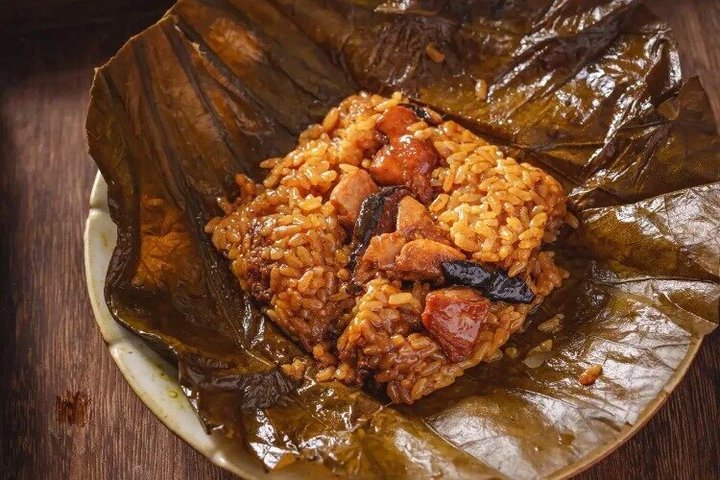
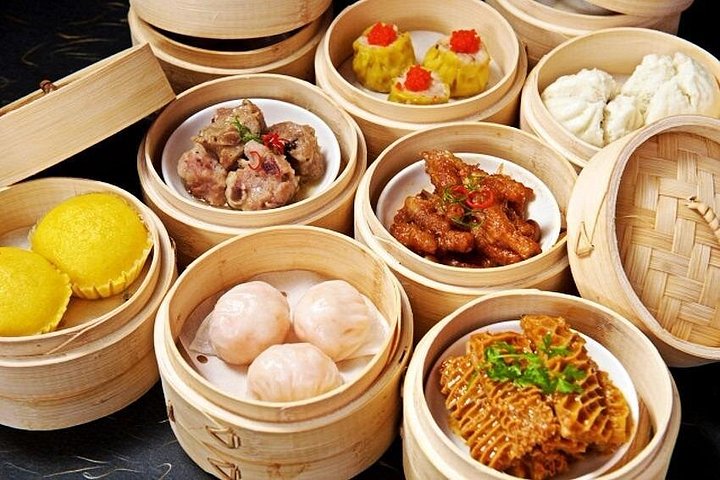
Yum cha means drink tea, and it is the leisurely morning or lunchtime meal in which tea is poured and small plates arrive in steamer baskets. Start with har gow, the translucent shrimp dumplings, and siu mai, the open pork and shrimp parcels, then add cheung fun rice noodle rolls, char siu bao and a custard tart. Teahouses range from grand halls with trolleys to small neighbourhood places, and weekends are busy and noisy. Go early, share a table and order in rounds rather than all at once.
Roast meats
Cantonese roast shops hang glossy ducks, geese, pork belly and barbecue pork in the window, and a plate of mixed roast meat over rice is a cheap, satisfying meal. Roast goose is a speciality, with crisp skin and rich meat, and char siu, the sweet barbecue pork, is a classic. Look for busy shops with high turnover, where the meat is freshly chopped to order.
Congee and noodles
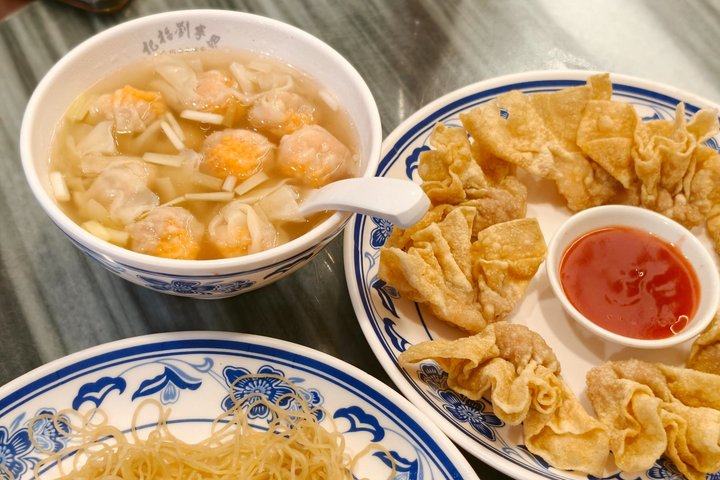
Congee is a slow-cooked rice porridge served with toppings such as fish slices, pork balls or preserved egg, and it is a favourite breakfast. Wonton noodle soup, with thin egg noodles and shrimp dumplings in a clear broth, is another staple. Beef noodles, rice rolls and stir-fried noodles complete the picture. Small noodle shops are the best places to eat on a budget.
Soups, seafood and home cooking
Cantonese families make slow-simmered soups with herbs, meat and vegetables, believed to balance the body, and restaurants offer daily soup specials. Seafood is chosen live from tanks and cooked simply, often steamed with ginger and spring onion. Vegetable dishes such as stir-fried greens with garlic are essential. If you want a home-style meal, ask your hotel or a guide for family-run restaurants rather than tourist-oriented places.
Street food and desserts
The lanes of Xiguan and Shangxiajiu are full of snacks, including double-skin milk pudding, ginger milk curd, sweet soups, herbal jelly and fried treats. Desserts are a serious business in Guangzhou, and a sweet shop visit after dinner is a local habit. A guided street food tour is an easy way to try many things without guessing.
Tea and drinks
Tea is part of every meal, with oolong, pu'er, jasmine and chrysanthemum the most common. Herbal tea shops sell bitter cooling drinks that locals drink to balance the heat. Bars and craft beer venues exist in the new town and in the Tianhe area, and rooftop bars offer skyline views, though prices are higher.
Etiquette and ordering
Pour tea for others before yourself, and tap two fingers on the table to say thank you. Share dishes, use the serving spoons if provided and avoid sticking chopsticks upright in rice. Menus often have pictures, and a translation app helps with the rest. Tell staff about allergies and dietary needs clearly, since pork, shellfish and peanut oil are widespread. Tipping is not expected in most local restaurants.
Where to eat
Look for crowds of locals, a quick turnover and a short menu specialising in one or two dishes. Hotels have good Cantonese restaurants if you want a comfortable option, and malls have reliable food courts. For hands-on learning, join a cooking class or a market tour, which also gives a window into local life.
Planning a food day
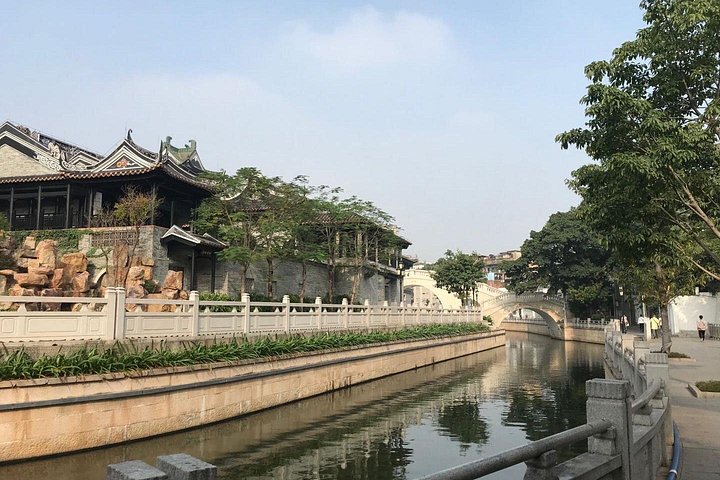
Begin with yum cha late morning, walk it off through Liwan, stop for a roast meat lunch or noodles, take an afternoon tea or dessert break and finish with a seafood dinner. If you have only one night, make it a street food walk and a dessert shop. If you have three days, repeat the pattern in different districts and notice how each has its own specialities.
Food allergies and dietary needs
Cantonese cooking uses shellfish, pork, soy, sesame and peanut oil widely, so travellers with allergies should carry a clear note in Chinese explaining what they cannot eat, and ask a guide or hotel staff to check. Halal and vegetarian options exist but are limited in traditional teahouses, so research venues beforehand or book a tour that can arrange suitable food.