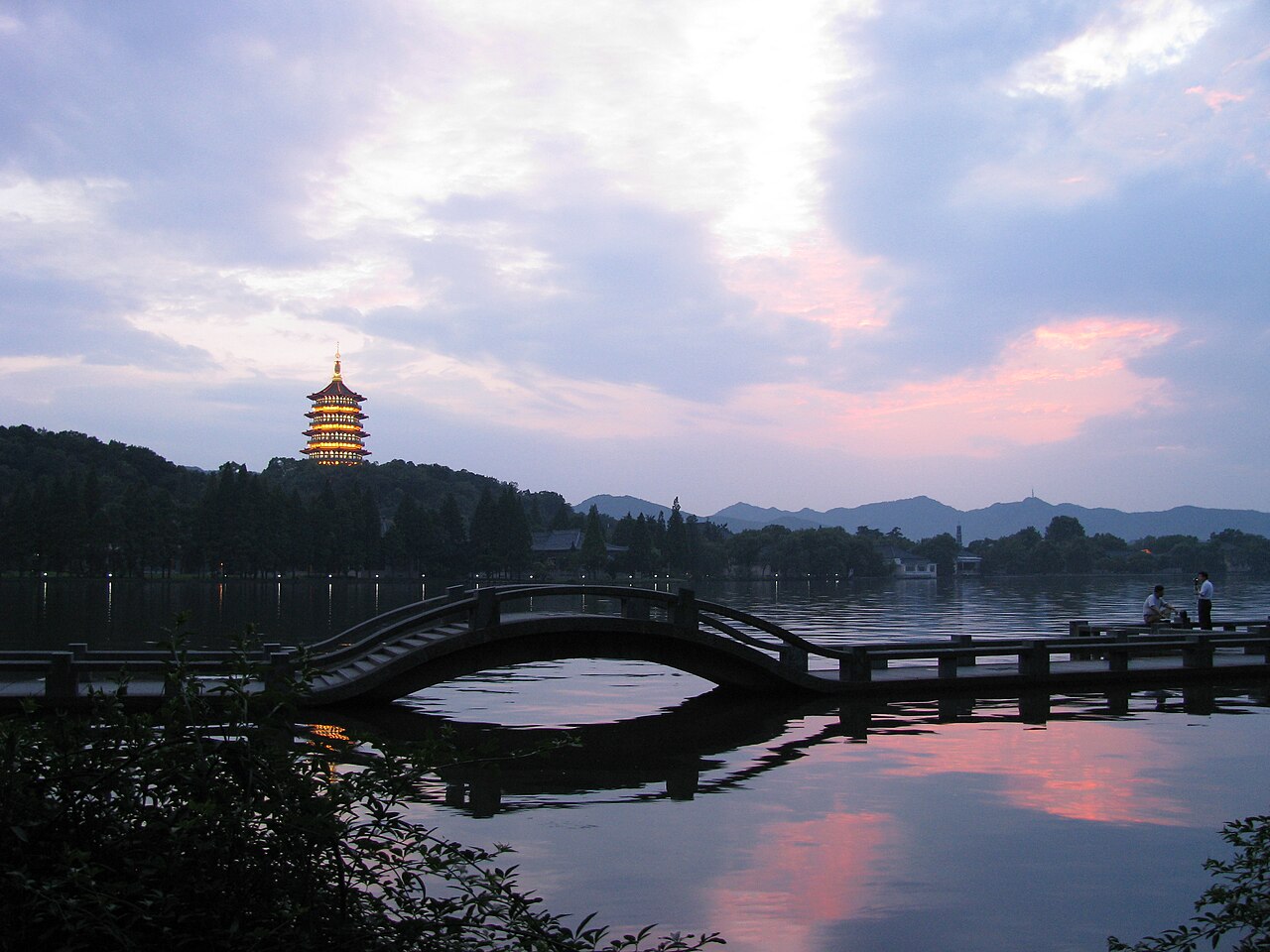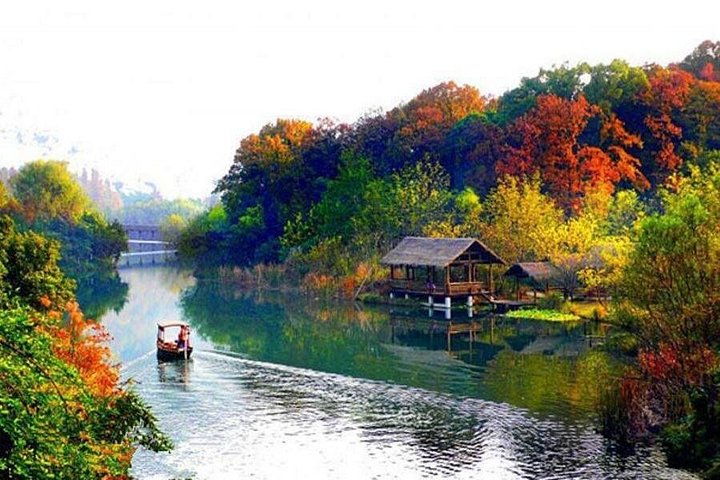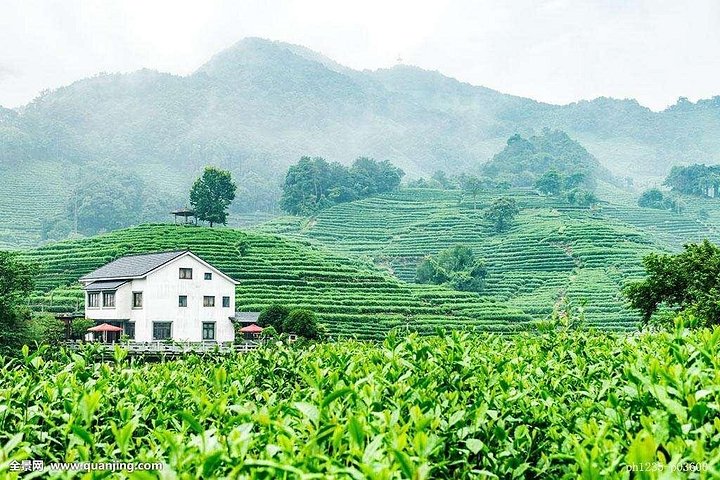
Longjing, or Dragon Well, is the best-known green tea in China, and it grows within sight of Hangzhou on the terraced hills that rise behind West Lake. The villages of the Longjing and Meijiawu area are still working tea communities, where hillside plantations run beside small farmhouses, and where families pan-fire the leaves by hand in hot woks. A visit gives you a grounded understanding of why the tea is prized: the flat, jade-green leaves, the chestnut-like aroma and the clean, sweet finish. The experience is quiet and unhurried and a welcome change from the city crowds. Most visitors do it as a half-day outing with a guide who can explain the grades, the harvest and how to brew the tea properly, with plenty of tasting. The Hangzhou tea scene runs on a very particular calendar, with the first spring leaves picked before the Qingming festival in early April fetching the highest prices, but there is something to see and taste all year round.
How to visit
The tea villages are a short drive from the lakeshore, roughly twenty to thirty minutes depending on traffic, and are easiest to reach with a guide or a private car, since public transport to the plantations is patchy. The tour on the booking page is a guided tea culture experience, so check the page for exactly what is included, such as tastings, a plantation walk and transport.
What to expect
You walk between rows of clipped tea bushes on terraced slopes, learn how the leaves are picked and fired, and sit down for a tasting in a tea house or a farm courtyard. Expect to be offered tea to buy, and treat it as optional. Prices for the very best spring teas are high, so ask the guide to explain grades before you buy.
Making the most of it
Go in the morning, when the hills are cool and the light is soft. Spring is the harvest and the busiest time, with the freshest tea and the most visitors. In autumn and early winter the hills are quieter, the air is crisp and the tasting rooms are calm, which suits a slower visit. Wear comfortable shoes for uneven paths and bring a light layer.
Combine it sensibly
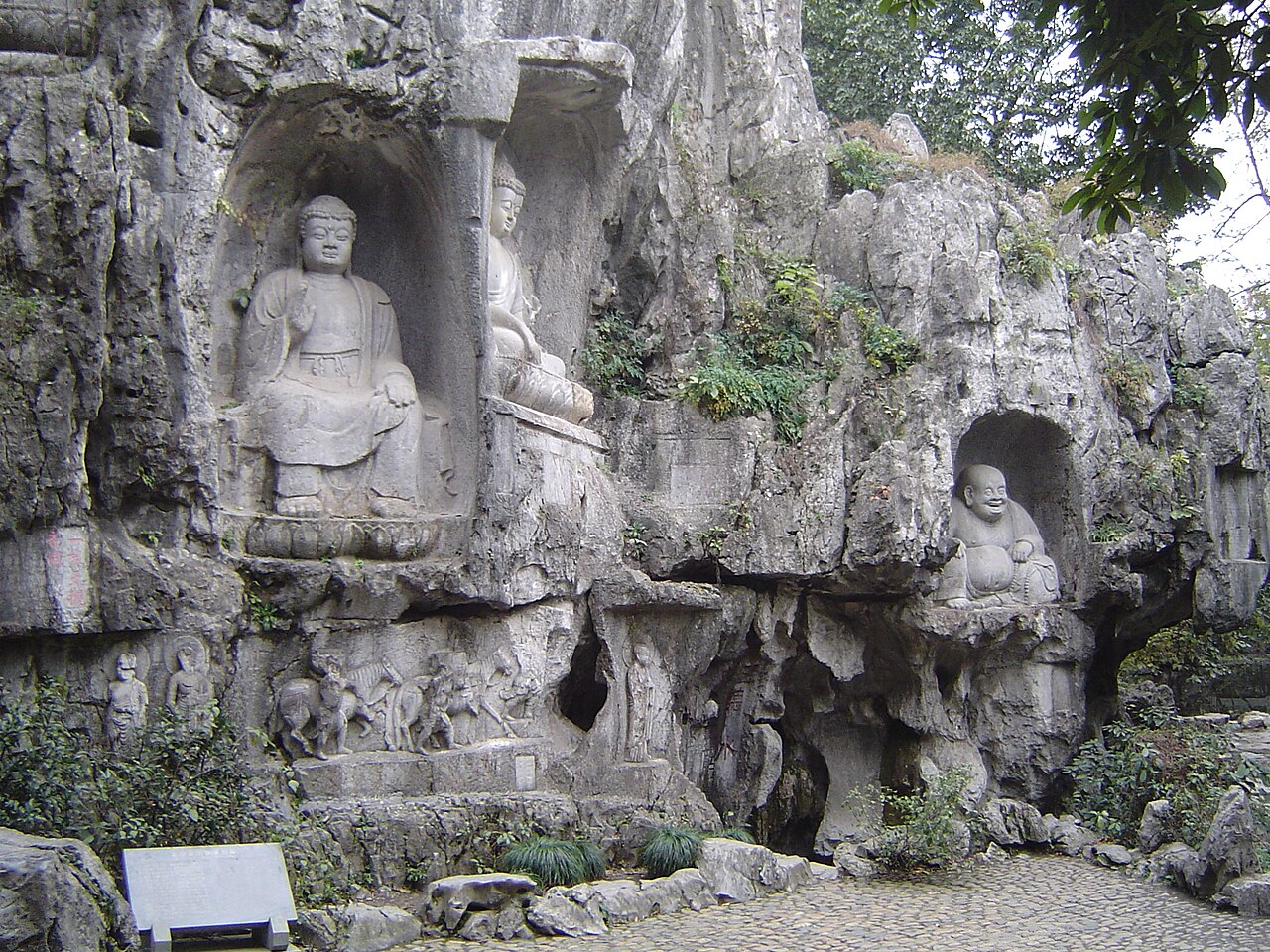
The tea hills sit close to Lingyin Temple and the western shore of West Lake, so a morning at Lingyin and an afternoon with the tea makes a natural pairing.
What to expect
The experience
A guided half-day outing through tea terraces and village houses, ending with a tea tasting.
Best time
Mornings, and spring for the freshest leaves; autumn and early winter are quieter.
How long
Three to four hours including the transfer.
Tips
Ask the guide to explain grades before buying, treat any tea sales as optional, and wear comfortable shoes for uneven paths.
Quick picks
- Best for
- Tea lovers and anyone who wants a calm, hands-on look at the most famous green tea in China.
- Families
- Children enjoy the walk and the wok demonstrations, though tastings are really for adults.
- Couples
- Linger over a tasting on a farm terrace, with the hills laid out below you.
- Pair with
- Lingyin Temple in the morning, or a West Lake walk in the afternoon.
- Time needed
- Half a day.
Good questions
What is Longjing tea?+
Longjing, or Dragon Well, is a pan-fired green tea from the hills around West Lake. It is known for flat, jade-green leaves and a sweet, nutty aroma.
When is the tea harvested?+
The most prized leaves are picked in early spring, before the Qingming festival. Later pickings follow into the early summer.
Can I visit the tea villages in November?+
Yes, the hills are green all year and the tea houses stay open. The harvest is long over, but the tastings and the walks are still worthwhile and much quieter.
How do I get to the tea villages?+
They lie a short drive south-west of the lake. A guided tour or a private car is easiest, because public transport to the plantations is limited.
Should I buy tea at the villages?+
You can, but there is no obligation. Ask the guide to explain grades and fair prices first, since top spring teas are expensive.