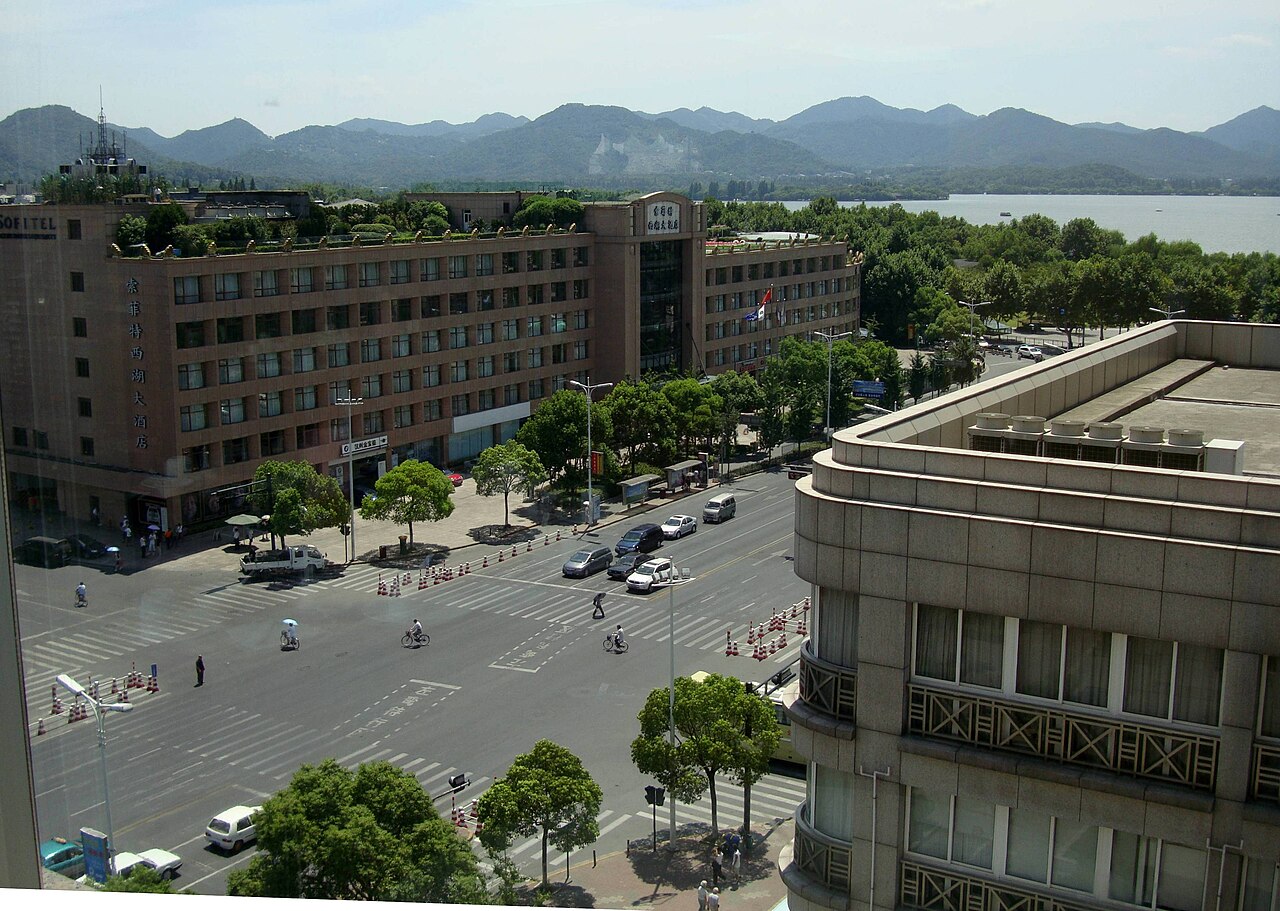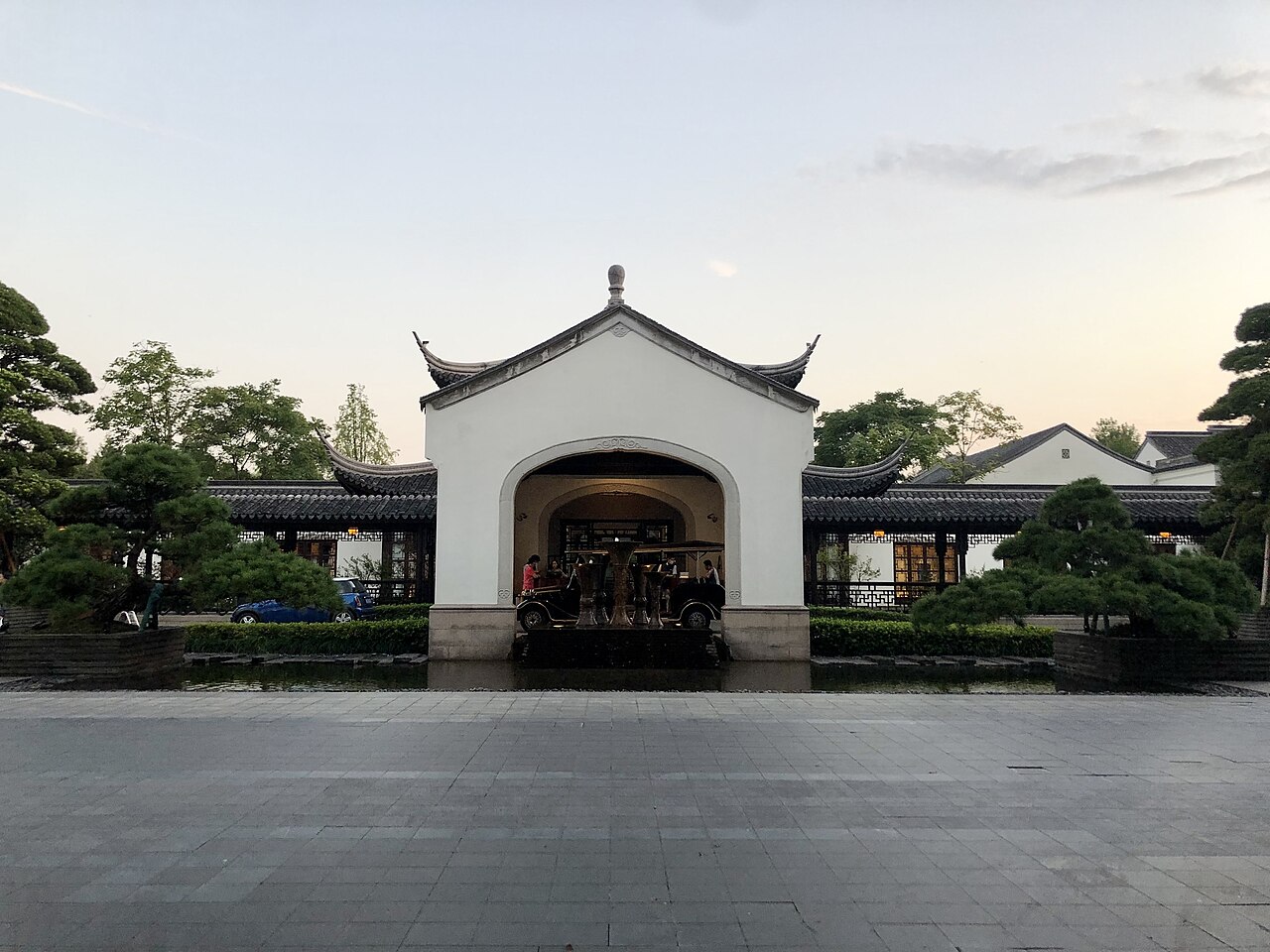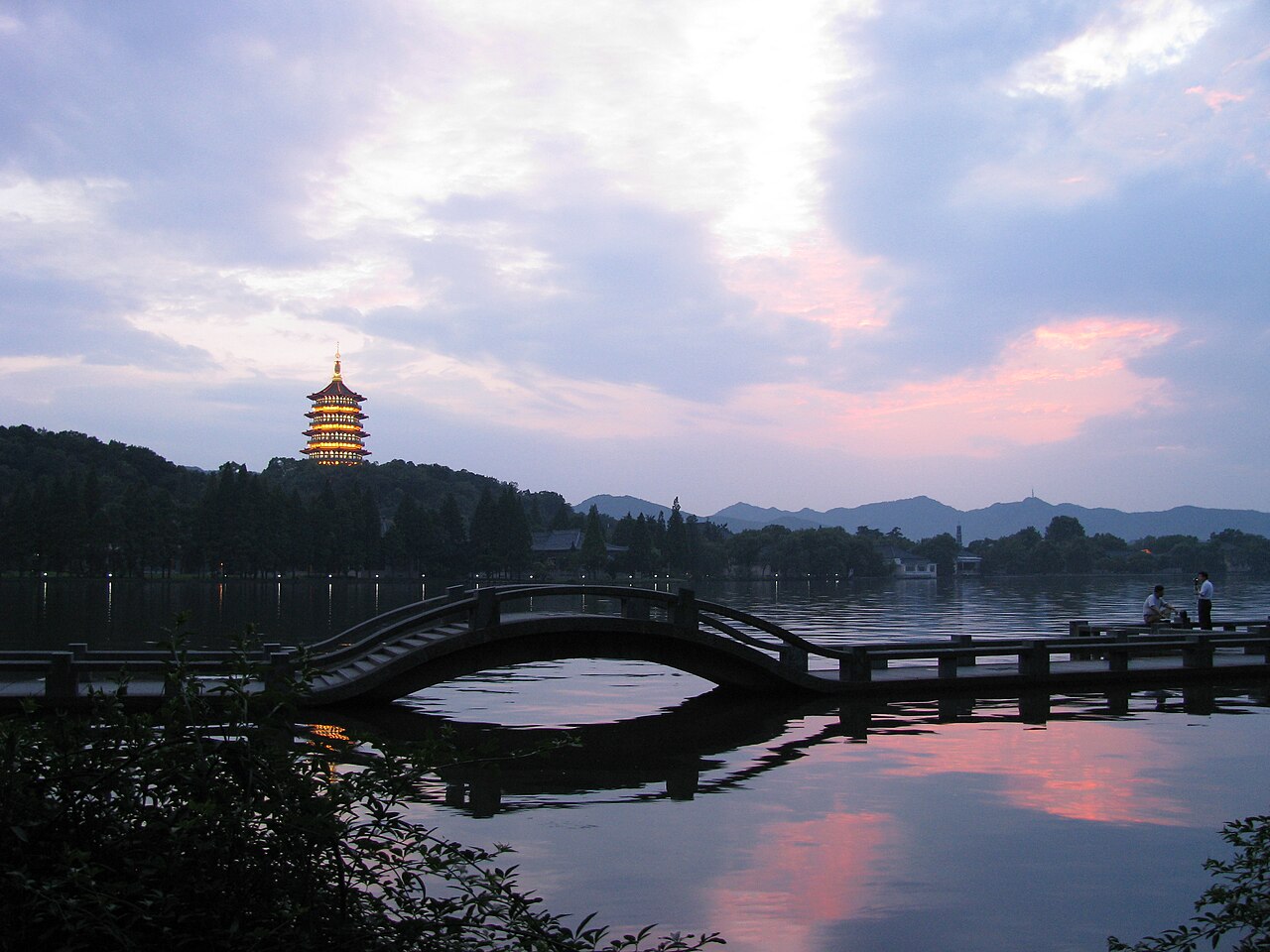
Hangzhou is the classical garden city of eastern China, built around a lake that has inspired poets for a thousand years, with temples in the hills, tea terraces behind them and canals to the north. It is compact enough to cover in two or three days, and most of its best sights are either free or cheap. The trick is knowing what to reserve and how to order the days, because a few places now work on timed reservations and the lake is far nicer at some hours than others.
How many days
Two full days is the minimum: one for West Lake and the old street, one for Lingyin Temple, the tea hills and an evening show. Three days lets you add Xixi Wetland or the Grand Canal district at a slower pace. If you want a water-town day trip to Wuzhen, add a fourth day rather than squeezing it in.
What to book first
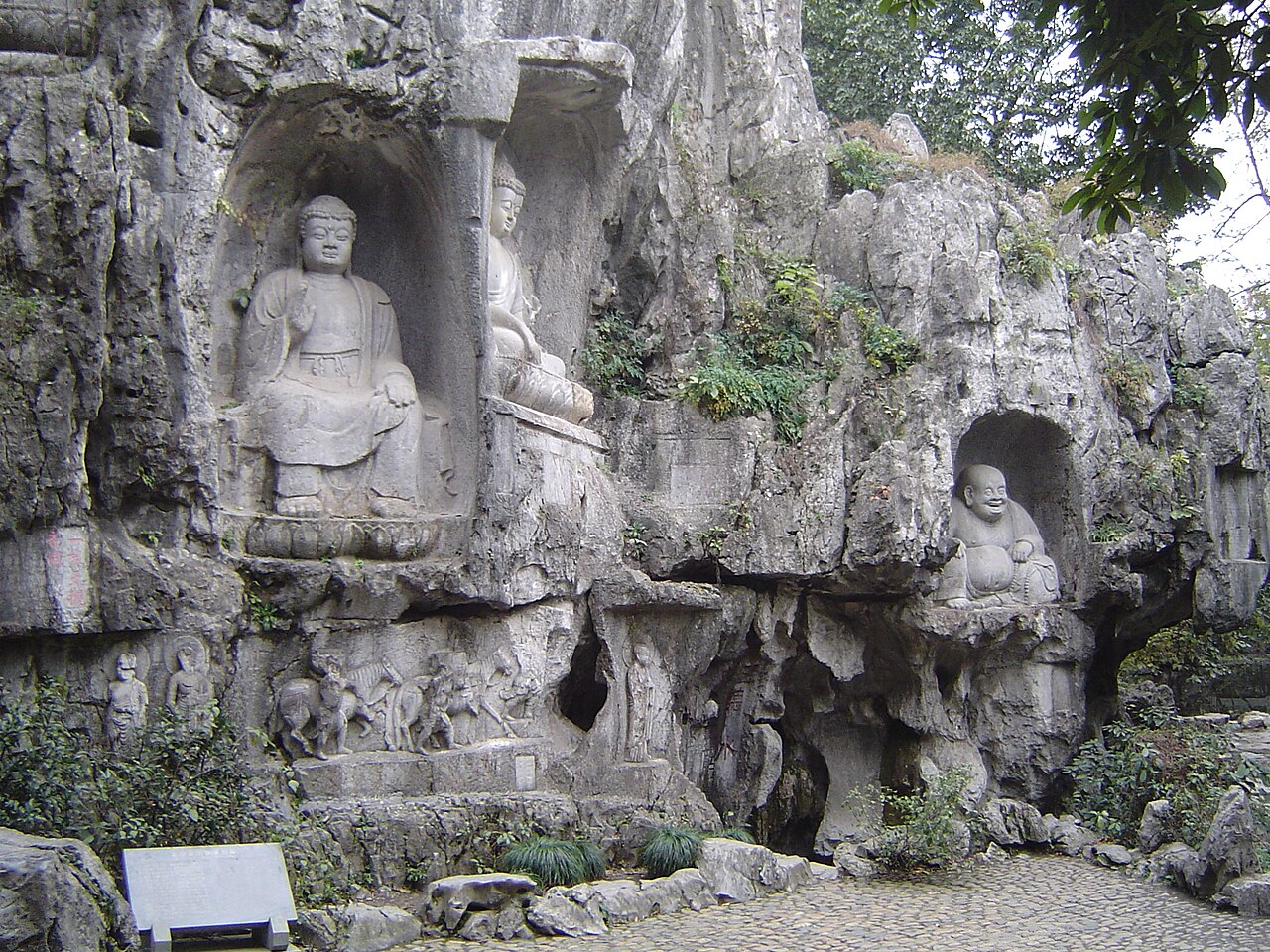
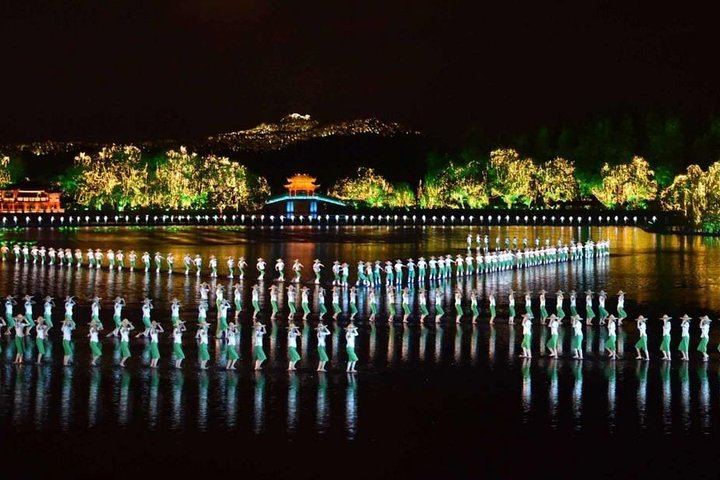
Lingyin Temple and Feilai Feng are free to enter since December 2025, but visitors need a real-name time-slot reservation made at least a day ahead through a mini-program on Alipay or WeChat, so ask your hotel to help as soon as your dates are firm. If you want the Impression West Lake show, pick a night and book a seat, since it is outdoors and the schedule can change, and check the current schedule. A guided Longjing tea experience and a Wuzhen transfer are worth reserving a few days ahead.
The free sights
West Lake’s shoreline, causeways and paths cost nothing, Hefang Street is free to stroll, and the Grand Canal Museum is free with a passport. Use them to fill the gaps between ticketed stops. Walk the lake early, when it is quiet, and come back for the lit shoreline at dusk. Hefang Street is best in the evening, when the lanterns are on.
The paid highlights
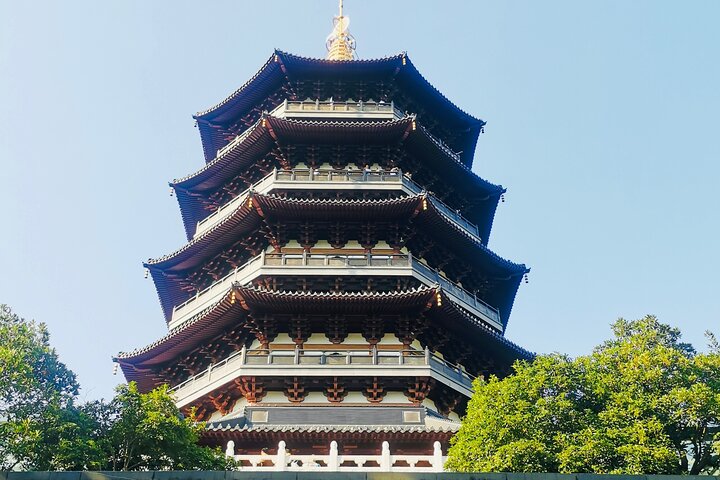
Leifeng Pagoda and the Six Harmonies Pagoda both charge entry, and both have elevators or climbs with good views. Leifeng is best late in the afternoon, but check winter closing times. Xixi Wetland is a paid, boat-friendly half-day and a good contrast to the lake. A tea village visit is easiest with a guide, since public transport to the plantations is limited.
Getting around
The metro is clean and easy, and ride-hailing apps and taxis fill the gaps. Many places prefer mobile payment, so set up a payment app that accepts foreign cards before you arrive and keep some cash as a backup. The lake is walkable and bikes are easy to rent, but distances between the lake, Lingyin, Xixi and the Six Harmonies Pagoda are best covered by taxi. Carry your passport, since it is needed for reservations and some free museums.
Where the sights fit
Treat the lake as the centre of a clock. Hefang Street and the east shore are the city side, Leifeng Pagoda and the Six Harmonies Pagoda lie to the south, Lingyin Temple and the tea villages to the west, and Xixi Wetland and the Grand Canal district to the west and north. Group the sights by side and you will spend your time walking, not riding.
Entry rules
China has expanded visa-free entry for visitors from many countries and offers a long visa-free transit for travellers continuing to a third country, but the rules, eligible countries and permitted stays change often. Check the current requirements for your nationality with the Chinese embassy or consulate before you book flights.
When to go
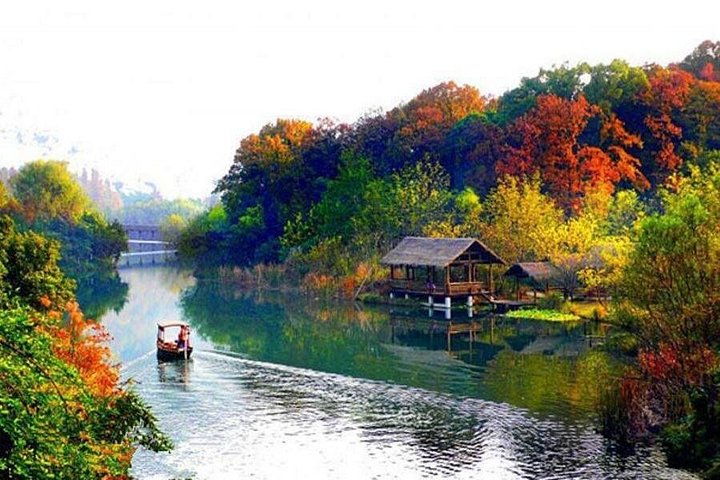
Spring and autumn are the best seasons, with blossom in spring and warm colour in autumn. Summers are hot and humid, and winters are cool and damp, though the lake in a winter mist is beautiful and the crowds are thinner. November is usually mild, often hazy and comfortable for walking, though winter opening hours are shorter and the show is cool and open-air. Avoid China’s national holidays if you can, when every sight is packed.
A simple plan
Day one, the lake on foot in the morning, Leifeng Pagoda late in the afternoon and Hefang Street for dinner. Day two, Lingyin Temple at your reserved slot, a tea village in the afternoon and the evening show if it is running. Day three, Xixi Wetland by boat and the Grand Canal district at dusk. Add a fourth day for Wuzhen if you want a canal-town trip.