Co Loa is one of the oldest settlements in Vietnamese history, a fortified capital said to date back more than two thousand years, to the legendary kingdom of Au Lac. Its remains lie in Dong Anh, on the northern edge of Hanoi, and consist of three concentric earth ramparts and moats that once formed a spiral defensive system. Today the walls are grass-covered banks, and the site is a quiet blend of village, farmland and sacred ground. Inside the ramparts stand temples and a communal house dedicated to King An Duong Vuong, the founder of the citadel, and to the legend of the magic crossbow and the princess whose story is told with sadness. Co Loa is far less visited than the sights in the centre of the city, which makes a tour here a good choice for travellers interested in early history and for those who prefer quieter, local places. Most tours combine the citadel with a countryside ride by bicycle, motorbike or vehicle through villages and rice fields, and some add a stop to try local crafts or a meal. It is an easy way to see the rural edge of Hanoi, with plenty of opportunity to talk to the guide about daily life.
How it works
The tour is guided and usually departs from the Old Quarter, with a short drive of around forty minutes to the citadel area. Some versions are by bicycle, motorbike or jeep, and some include a meal or a fishing activity, so check the details when you get tickets. Allow half a day or more.
What to expect
You begin with the story of the citadel and the legend of An Duong Vuong, then visit the temple complex and the communal house, with their carved timber, altars and stone steles. The ramparts are visible as long grassy mounds, and a guide helps you read the landscape, showing where the walls and moats once ran.
The ride through the countryside passes ponds, vegetable fields, small workshops and farms, giving a taste of life on the outskirts of the capital. The pace is relaxed, and there is time for tea and conversation. Do not expect grand monuments, since the interest lies in the layers of history, the stories and the rural atmosphere.
Making the most of it
Wear comfortable clothes and shoes, and if the tour includes cycling, bring sun protection and water. Dress modestly for the temples. Cooler months, from autumn to spring, are the most comfortable, and after rain the paths can be muddy. The citadel is a place of worship and local pride, so be respectful and ask before taking photographs of people.
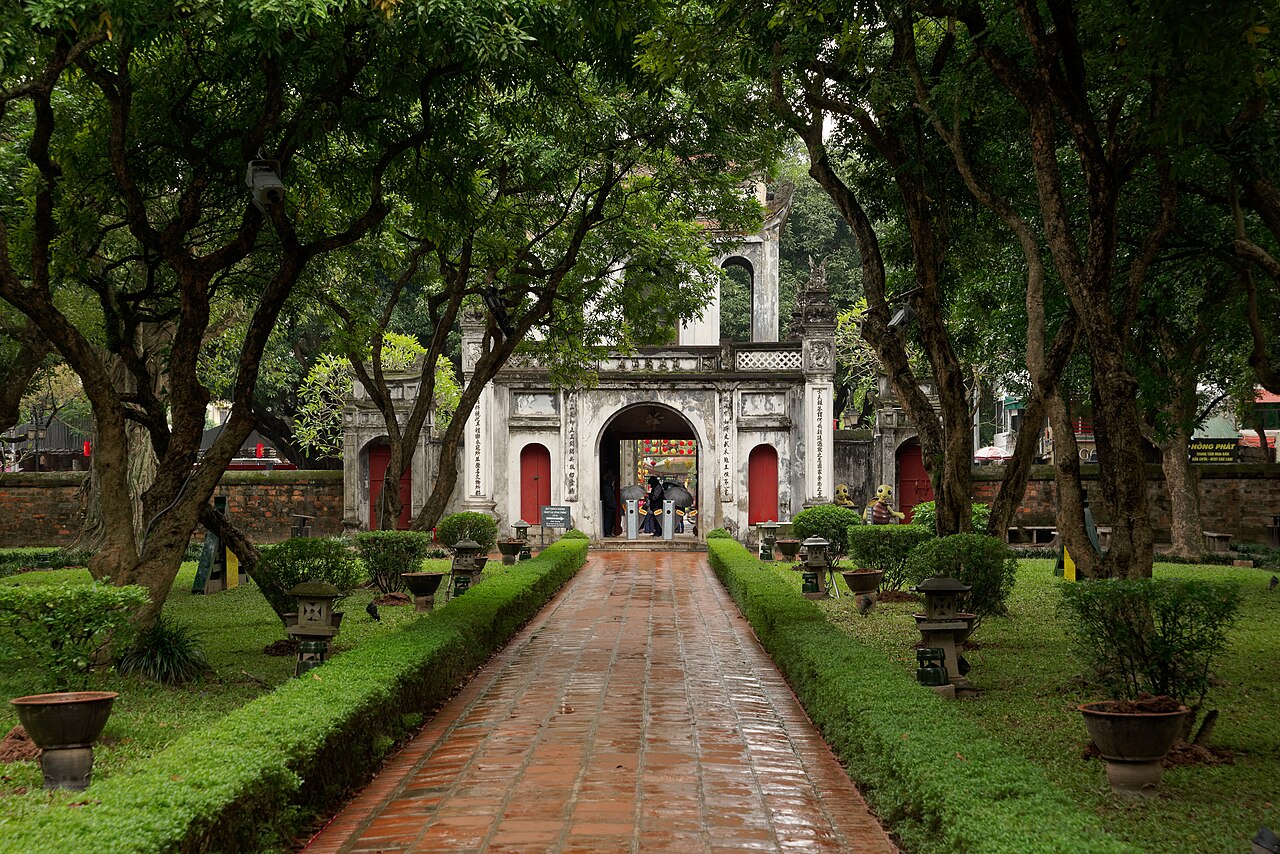
Pair the visit with the Temple of Literature or the Military History Museum to build a day around early and modern Vietnamese history, or with Duong Lam for a day of villages. If you are short of time, ask the operator about the shortest version.
Planning notes
Ask the guide to show you the temple dedicated to the legendary princess and to explain the story of the magic crossbow, which gives the site its emotional weight. Bring cash for incense and small donations at the temples. If you are cycling, check that the bike fits and that helmets are provided. The site is flat, so it suits most fitness levels, but the sun can be strong, so a hat helps.
What to expect
The experience
A guided tour to the earth ramparts and temples of Co Loa, combined with a ride through the countryside north of Hanoi.
Best time
Autumn to spring for comfortable weather. Paths can be muddy after rain.
How long
Half a day to a full day, depending on the version.
Tips
Dress modestly for the temples, carry water and sun protection, and ask before photographing people.
Quick picks
- Best for
- History-minded travellers who want to go beyond the main city sights to Vietnam’s early past.
- Families
- Good for older children on a bike or vehicle tour; there is little to climb.
- Couples
- Quiet and local, with plenty of space and few crowds.
- Pair with
- The Temple of Literature or the Military History Museum, for a history day.
- Time needed
- Half a day or more.
Good questions
What is Co Loa?+
It is an ancient citadel with three earth ramparts, associated with King An Duong Vuong, on the northern edge of Hanoi.
How far is Co Loa from central Hanoi?+
About forty minutes by road, depending on traffic.
Is there much to see?+
The ramparts are earthworks and the temples are modest, so the appeal is the history, the legends and the countryside.
Can I cycle the tour?+
Some versions use bicycles, and others use motorbikes or vehicles. Check the details when you get tickets.
When is the best time to go?+
Autumn to spring, when the weather is cooler and drier.