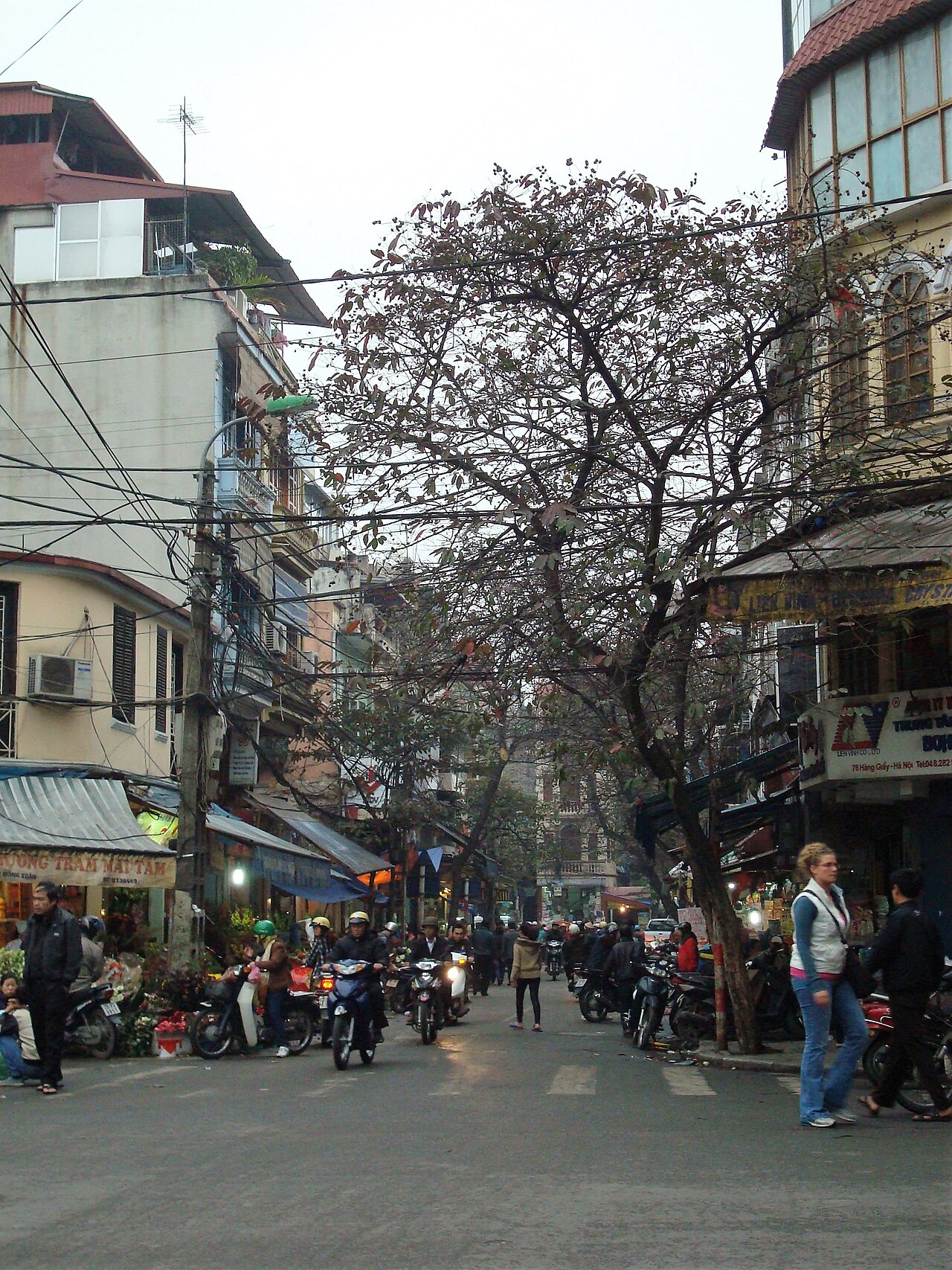
Hanoi is the home of northern Vietnamese cooking, and eating is the main reason many people come. The food here is subtler than in the south: broths are clearer, herbs are fresh rather than sweet, and many stalls make only one dish and have done so for generations. That focus is the secret to eating well. You do not need a long menu; you need to know what to order and where the line of locals is.
The dishes to know
Pho is the obvious start, a clear beef or chicken broth with flat rice noodles, and in Hanoi it is eaten for breakfast. Bun cha is the lunchtime classic: small patties and slices of pork grilled over charcoal, served in a bowl of sweet-sour broth with a plate of rice noodles and fresh herbs. Cha ca is fish cooked with turmeric and dill. Banh cuon are steamed rice rolls, often filled with minced pork and mushrooms. Bun rieu is a tomato and crab noodle soup, sharp and tangy. For something light, look for xoi, sticky rice with toppings, and banh mi, the baguette sandwich. Spring rolls, nem, are fried and eaten with herbs and dipping sauce. For dessert, try the sweet soups and the street ices.
Coffee and beer
Hanoi has its own café culture. Egg coffee, a rich drink of whipped egg yolk over strong coffee, is a northern speciality and tastes closer to a dessert than a drink. Coconut coffee and salt coffee are other local variations. In the evening, the bia hoi corner at the junction of Ta Hien and Luong Ngoc Quyen streets in the Old Quarter is the place to drink cheap draught beer on tiny plastic stools, with snacks passed over from the stalls nearby. Expect the street to be loud and crowded, especially at weekends.
How street food works
Many stalls specialise in one dish and set out low plastic tables. Sit down, point at what others are eating or say the name of the dish, and pay at the end; if prices are not displayed, ask first. Eat where the turnover is high and the food is cooked in front of you. Carry small notes in dong, since many stalls do not take cards. If you are cautious, drink bottled water, avoid raw ice from unknown sources and choose cooked dishes at first. Tell vendors about allergies, but understand that fish sauce and shrimp paste turn up in many dishes, and that vegetarian options take some effort.
A guided start
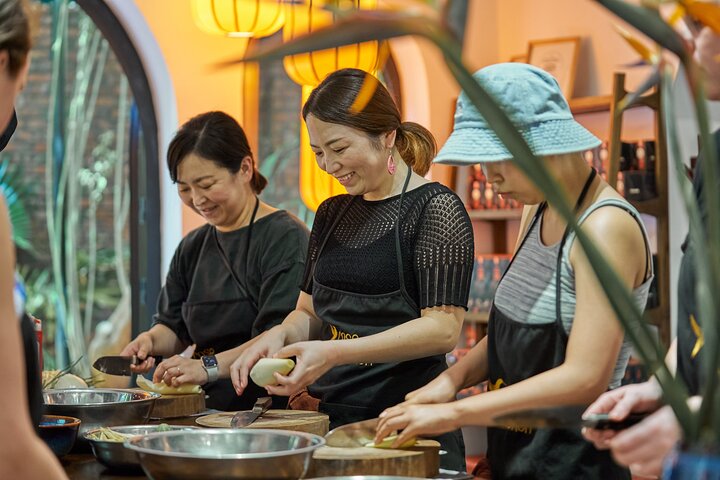
The easiest way to learn the city is to eat with someone who knows it. The evening Vespa food tour takes you across the Old Quarter on the back of a scooter, with stops at places where tourists seldom go, over about three and a half hours. If you prefer to cook, the cooking class with a local market visit lasts about four hours and teaches dishes such as bun cha and spring rolls that you can repeat at home. Do one of the two in your first days, then you will know what to order for the rest of your stay.
Where to eat
Walk the Old Quarter for the greatest concentration of stalls, and look for the streets that still carry the name of what they sold, since a few have turned into food streets. Outside the Old Quarter, the French Quarter has more formal restaurants around the Opera House, and West Lake has a cluster of cafés and international kitchens. Early morning is the time for pho and sticky rice; lunch for bun cha; evenings for grilled meats, snacks and beer.
Manners
Do not stick chopsticks upright in a bowl, since this resembles incense at a funeral. Share dishes, accept tea, and expect to pay for bottled water. Tipping is not expected at street stalls, though rounding up is appreciated in restaurants.