Unlike southern Vietnam, Hanoi has four distinct seasons, and the time you choose changes the trip more than most visitors expect. The city can be pleasantly mild, steamy and wet, or grey and cool, depending on the month. Here is how each season feels and what to plan around it.
Autumn, October to early December: the best time
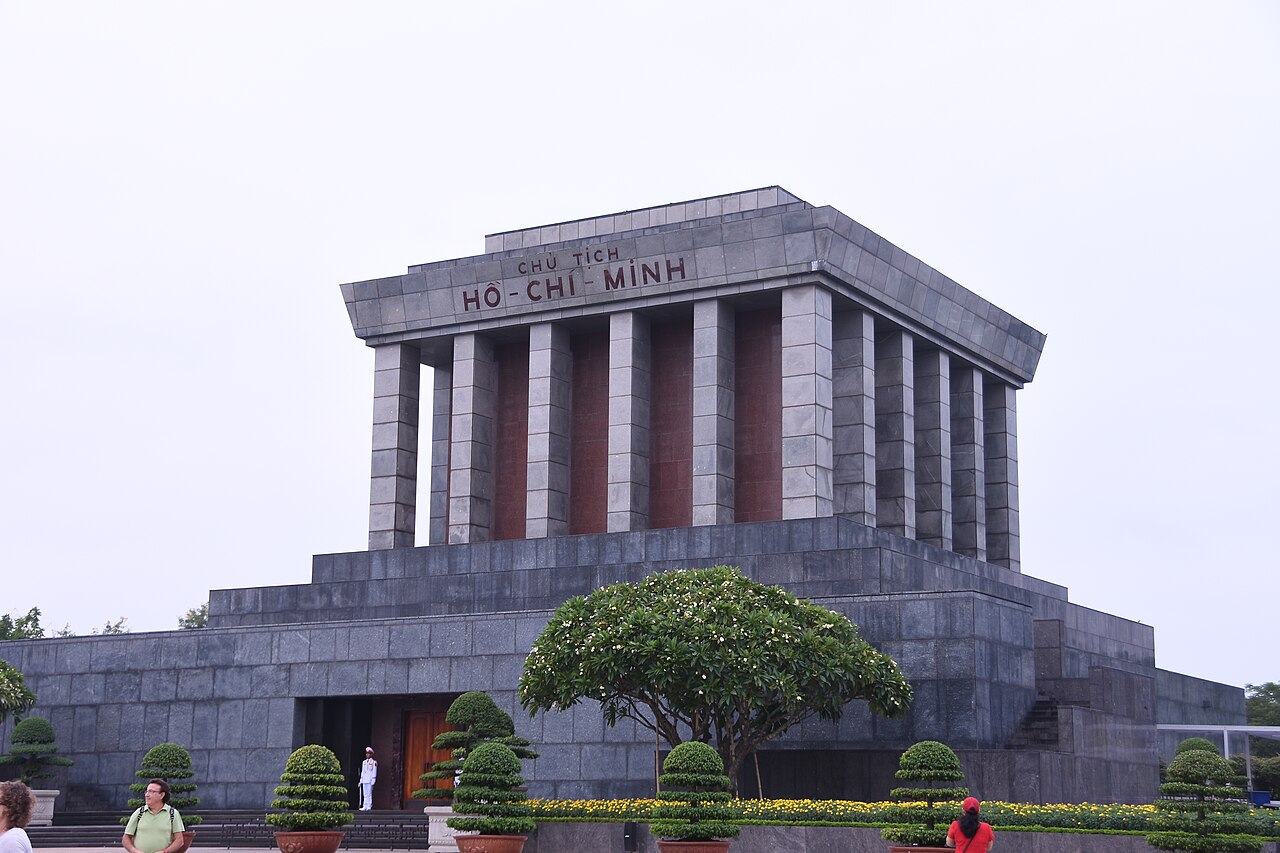
This is the season most people mean when they say the best time to visit. The summer heat and humidity fade, skies are often clear, and walking the Old Quarter, the lake and the Temple of Literature is a pleasure. Days are dry and mild, evenings are cooler, and it is comfortable to be outdoors for the whole day. It is also the busiest season, so book day trips and hotels early. November is a favourite month for this reason, and the Ho Chi Minh Mausoleum is usually open again after its autumn maintenance closure; in 2026 it reopened on 3 November.
Winter, December to February: cool and grey
Days can be overcast and cool, and in the colder spells the air feels chilly, especially in older buildings that lack heating. Bring a warm layer. It is a good season for street food, since a steaming bowl of pho suits the weather, and fewer crowds mean more room at the main sights. Ha Long Bay can be misty, which gives the karsts a moody look but reduces long views. In the mountains around Sapa the nights are cold, and you should pack accordingly. The mausoleum keeps its winter hours from 1 November to 31 March.
Spring, February to April: drizzle and mist
Spring brings light rain, humidity and soft grey skies. It is a pleasant, green season, and the festivals add colour. The big event is Lunar New Year, known as Tet, which falls in late January or February. In the weeks around it the city is festive, with flower markets and decorations, but many family-run shops, restaurants and tour operators close for several days, and transport is crowded as people travel home. If your dates fall near Tet, book well ahead and expect some doors to be shut.
Summer, May to September: hot, humid and wet
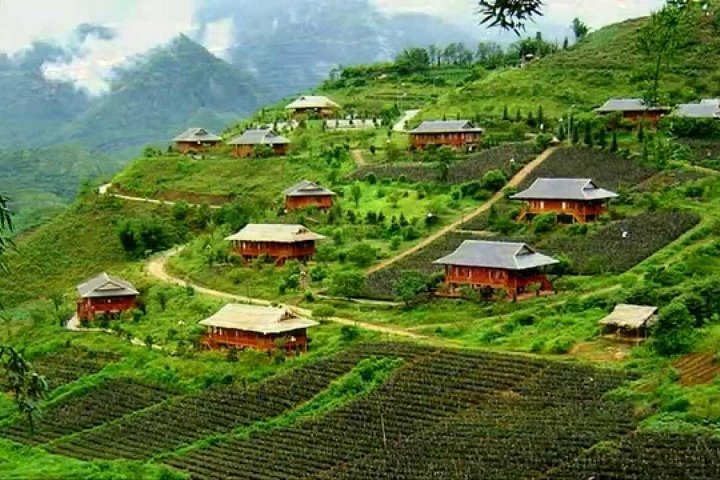
Summer is hot and sticky, with heavy downpours and thunderstorms. Sightseeing is still possible, but plan outdoor activities for the morning, drink plenty of water and build in air-conditioned breaks at museums, cafés and the Vinpearl Aquarium. Prices are often lower. The typhoon season runs roughly through the summer into early autumn, and Ha Long Bay cruises can be cancelled or changed when the weather turns bad, so choose a flexible booking and check the cancellation terms. The rice fields of Ninh Binh and the terraces near Sapa turn bright green, which is a good reason to come.
What to pack
In summer, light clothes, a rain jacket and sandals you do not mind getting wet. In winter, layers and a warm top. In every season, bring clothes that cover shoulders and knees for temples and the mausoleum, comfortable walking shoes and a small day bag.
Choosing your month
For clear days and easy walking, go in October or November. For fewer crowds, consider the cooler winter weeks, avoiding Tet. For lush landscapes and lower prices, accept the summer rain. Whenever you come, a flexible plan helps: keep one open day in case rain forces you to swap an outdoor day for a museum day, and check forecasts a few days before any trip to the bay or the mountains.