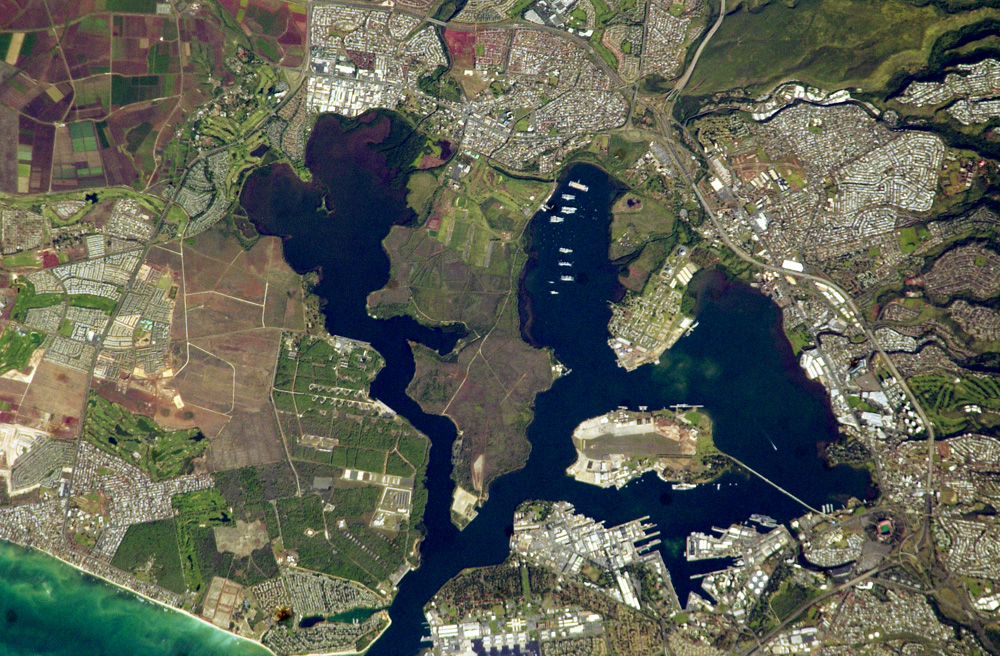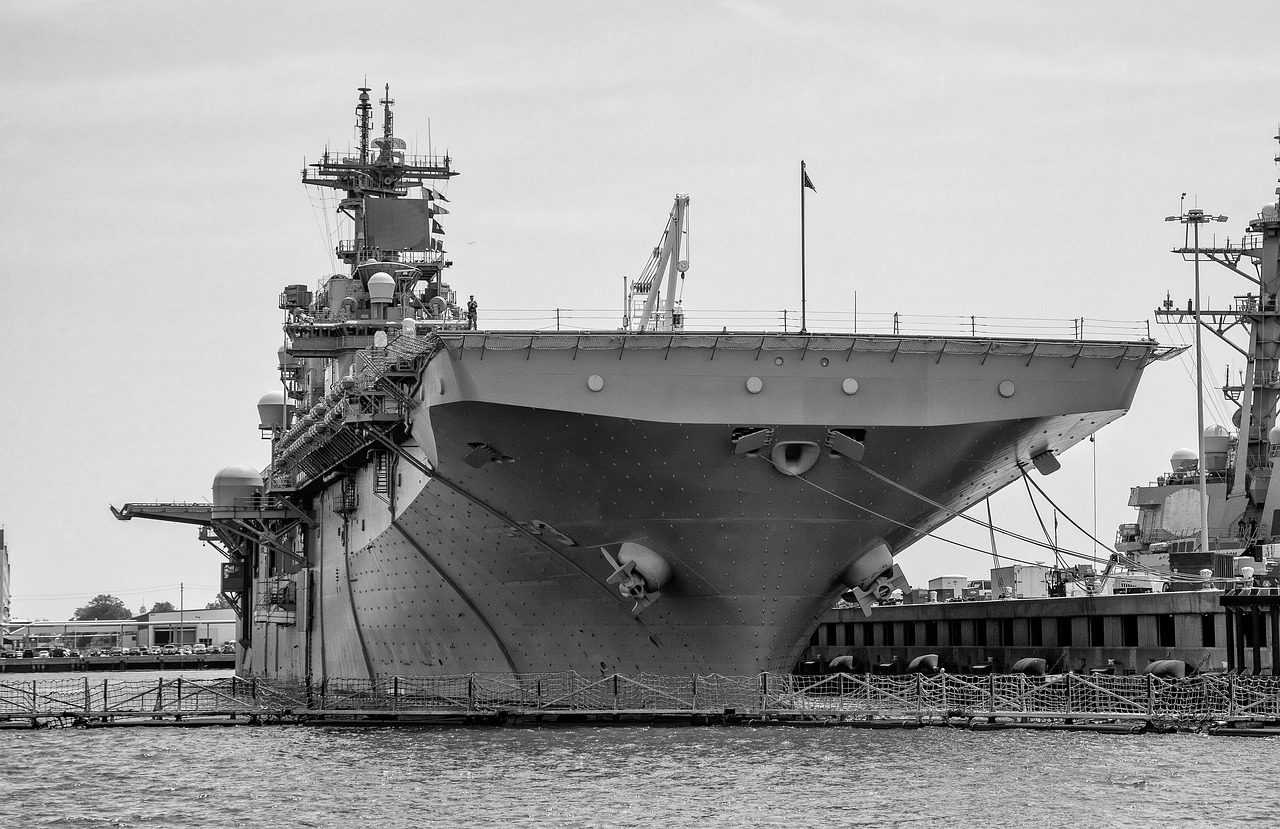
The Battleship Missouri is history's most deliberate anchorage and Pearl Harbor's second essential: the Mighty Mo — the last battleship America built, and the deck where World War II ENDED (the September 2, 1945 surrender ceremony in Tokyo Bay happened on her 01 deck — the Surrender Deck's plaque marks the table's spot, and the replica documents sit where MacArthur presided) — moored at Ford Island intentionally facing the USS Arizona Memorial: the war's beginning and end sit a ship's length apart, the Missouri's guns symbolically watching over the Arizona's fallen, and the two-site arc (the sunken ship, then the surrender deck) is the most complete historical statement any American site composes. The ship herself delivers beyond the symbolism: the scale (an Iowa-class battleship is a steel city — 887 feet, the 16-inch gun turrets whose shells weighed as much as cars and flew 23 miles: standing under turret two recalibrates the word gun), the tours (the guided highlights tour included with entry runs the Surrender Deck and main spaces with docents who handle the history superbly; the self-guided wander then opens the depths — the broadside decks, mess halls, officers' country, the post-1980s modernization's missile decks and the Gulf War story: the Mo fought in WWII, Korea and Desert Storm — one hull, three wars), the kamikaze scar (the starboard deck dent where a kamikaze struck in 1945 — the crew buried the pilot at sea with military honors the next day: the docents' telling of that funeral is the tour's unexpected grace note), and the Ford Island logistics (access is by the shuttle bus from the Pearl Harbor visitor center — the ride's base views add context, and the Aviation Museum shares the island for the full-day pairing). The practical frame: half a day pairs the Missouri with the Arizona Memorial, the full Pearl Harbor day adds Bowfin and Aviation Museum (the passport products bundle them), the decks demand real walking (and Hawaii sun — hats), and the register runs celebratory-solemn in a mix the site handles well. Fit: first trips (the history day's second act), families (the scale thrills), veterans-and-history travelers definitionally.
The ship's story spans the American century: commissioned June 1944 (Truman's daughter christened her — the Missouri connection ran to the president who would end the war on her deck), she fought Iwo Jima and Okinawa (taking the kamikaze hit off Okinawa — the scar and the funeral story), hosted the surrender (MacArthur's we have had our last chance speech, the two Japanese delegations, the massed Allied brass and the B-29 flyover — the ceremony's 23 minutes closed six years of world war), served Korea's gun lines, slept through the 50s-70s in mothballs, returned in the 1980s modernization (Tomahawk launchers beside the 16-inch guns — the decks' WWII-meets-Cold-War layering confuses and then delights), fired in Desert Storm, and arrived at Pearl Harbor in 1998 as memorial: the placement facing the Arizona was argued over and chosen deliberately, and the bookends thesis — begin at the Arizona's oil-weeping wreck, end on the Surrender Deck — structures every good Pearl Harbor day.
The visit craft
Take the included guided tour first (the docents' Surrender Deck telling, the kamikaze funeral story), then self-guide downward (the engine spaces and broadside decks reward the unhurried; the missile-era spaces upend assumptions), stand under turret two for the scale photograph, and find the surrender plaque's exact spot early before the deck crowds. The logistics detail: Ford Island is an active Navy base — access runs via the shuttle from the Pearl Harbor visitor center (no private cars without base access), the shuttle serves the Aviation Museum too, and the combined-passport math (Arizona boat time booked ahead free at recreation.
gov; the paid sites bundled) rewards planning the full day. The sun honesty: the decks are shadeless steel — hats, water and sunscreen are equipment, not suggestions.
Practicals and fit
Ford Island via the visitor-center shuttle, 2-3 hours with both tour layers, guided highlights included, bundle tickets serve the full day. Fit: the Pearl Harbor day's second essential for first trips and families — the war's end, stood upon.
What to expect
The experience
The last American battleship, moored facing the Arizona Memorial — the guided Surrender Deck tour included, then self-guided decks from 16-inch turrets to Gulf War missile stations, with the kamikaze scar's story en route.
Best time
Mornings beat the deck heat; pair with your Arizona boat time for the begin-and-end arc; the Ford Island shuttle from the visitor center is the only access.
How long
Two to three hours with both tour layers.
Tips
Hats, water, sunscreen — the decks are shadeless steel. Take the included docent tour first; the kamikaze funeral story is the grace note. Stand under turret two for the scale photo.
Quick picks
- Best for
- The war's bookend — begin at the Arizona, end on the Surrender Deck.
- Families
- A steel city to explore — turrets, mess decks and missile launchers thrill every age.
- Couples
- The history day done properly, with the harbor views from the superstructure.
- Pair with
- The Arizona Memorial and USS Bowfin at the visitor center; the Aviation Museum shares Ford Island.
- Time needed
- The Pearl Harbor day's second half.
Good questions
Is this really where WWII ended?+
Yes — the September 2, 1945 surrender was signed on the Missouri's deck in Tokyo Bay: the Surrender Deck's plaque marks the table's spot, and the included docent tour tells the ceremony's 23 minutes superbly.
Why is she moored facing the Arizona?+
Deliberately — the war's beginning (the sunken Arizona) and its end (the surrender deck) sit a ship's length apart, the Missouri's guns symbolically watching over the fallen: the placement is the memorial's thesis.
How do we get aboard?+
Via the shuttle from the Pearl Harbor visitor center — Ford Island is an active Navy base with no private-car access; the same shuttle serves the Aviation Museum for the full-day pairing.
What is the kamikaze story?+
A kamikaze struck the starboard deck off Okinawa in 1945 — the dent remains — and the crew buried the pilot at sea with military honors the next day: the docents' telling of that funeral is the tour's unexpected grace note.
How much time does Pearl Harbor need in total?+
A half day covers the Arizona Memorial plus the Missouri; the full day adds the Bowfin and Aviation Museum via the bundle tickets — book the free Arizona boat time ahead either way.