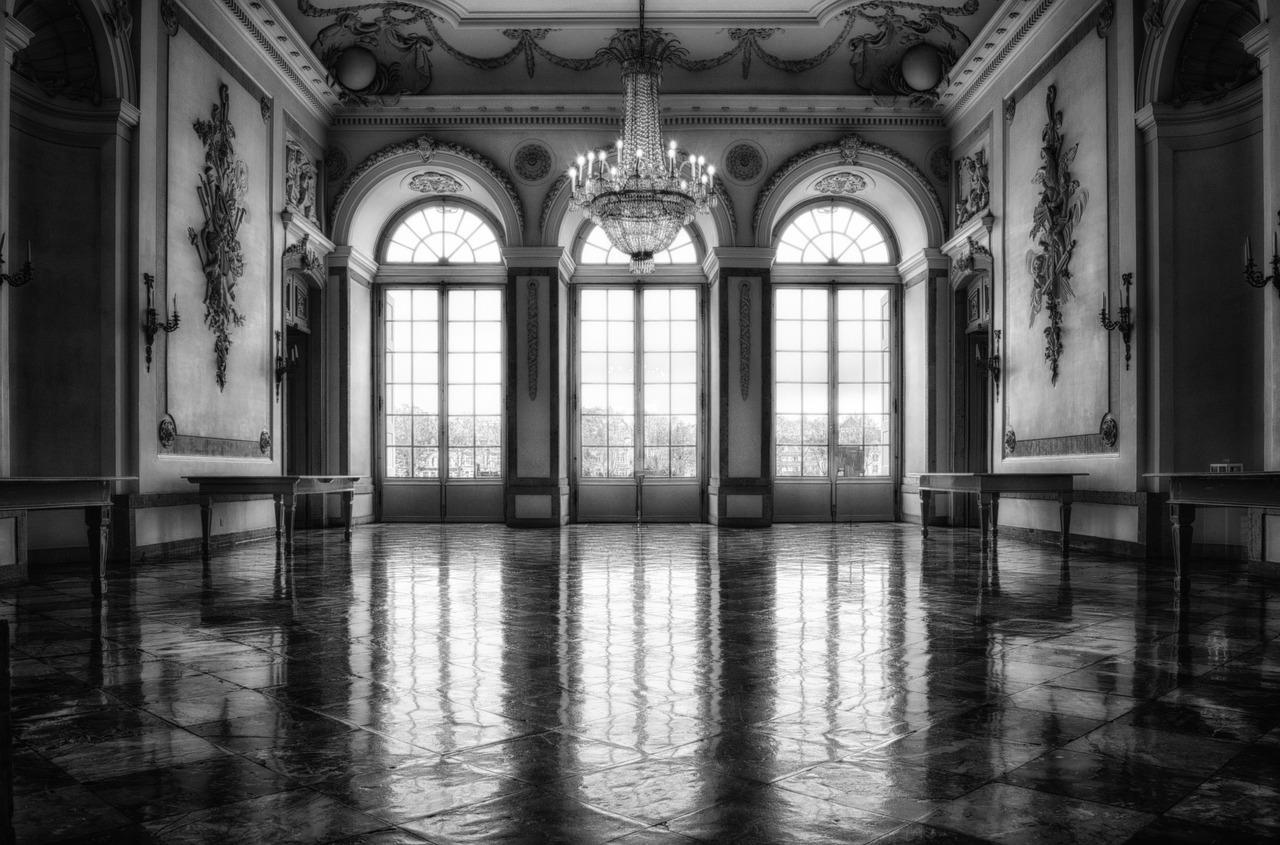
ʻIolani Palace is the building every Hawaii trip owes an hour and the one no other state can offer: the only official royal residence on American soil — King Kalākaua's 1882 showpiece in downtown Honolulu, built by the Merrie Monarch to announce a modern Pacific kingdom (and announcing it loudly: the palace had electric lights before the White House and Buckingham Palace, flush plumbing, a telephone — the king toured the world's courts and came home determined to out-modern them) — and the place where that kingdom ended: the 1893 overthrow was staged around this building, and Queen Liliʻuokalani was later imprisoned for months in an upstairs bedroom (the Imprisonment Room, with the quilt she worked while confined, is the tour's gravitational center — the palace is a joyful architectural tour until it quietly becomes the most sobering room in the islands). The visit's substance: the restored state floors (the Grand Hall's sweep of koa-wood staircase — the islands' great carpentry showpiece — the Throne Room's crimson-and-gilt where Kalākaua held balls and Liliʻuokalani was tried, the State Dining Room's diplomatic theater, the music room's royal compositions: both monarchs were accomplished composers, and Aloha ʻOe's authorship reframes the gift-shop soundtrack), the basement galleries (the crown jewels, regalia and the reconstructed kitchens), and the tour formats (the docent-led tour is the full experience — the guides' handling of the overthrow runs honest and moving; the self-guided audio tour covers the same floors flexibly; book either ahead — the palace caps entry and sells out). The register travelers should expect: this is not a decorative-arts stop — it is the islands' political history at its source (the palace grounds' statues, the coronation pavilion, and the mausoleum-adjacent lore complete it), the sacred-ground etiquette is real (shoe covers, no flash, the staff's reverence sets the tone), and the hour lands differently after: Waikīkī's towers read as a sequel. Fit: first trips definitionally (the islands' story in one building), couples (the architecture-and-history register), and every itinerary that wants Hawaii to be more than a beach.
The history deserves its full weight
Kalākaua built the palace as statecraft (the kingdom was navigating annexationist pressure — the palace's modernity was an argument that Hawaii stood among nations), his sister Liliʻuokalani inherited crown and crisis, the 1893 overthrow (American and European businessmen backed by US Marines deposed the queen — the US apologized formally a century later in the 1993 Apology Resolution) ended the monarchy, and the 1895 counter-revolution's failure brought the queen's trial IN HER OWN THRONE ROOM and her imprisonment upstairs: the Imprisonment Room's spare furnishings and the quilt (its panels embroidered with dates and the queen's sentiments — history sewn by its subject) make the palace the rare landmark where the artifact and the wound are the same object. The afterlife adds poignancy: the palace served as the territorial and state capitol for decades (government filing cabinets in the Throne Room), and the 1970s restoration — driven by Hawaiian cultural revival — recovered scattered royal furnishings piece by piece (the ongoing returns are their own saga).
The visit craft
Book ahead (timed entries cap out, especially mornings), take the docent tour if the schedule allows (the guides' telling of the overthrow is the version to hear), give the Grand Hall's koa staircase its pause (the native-wood craftsmanship is the islands' finest interior), find the quilt (the Imprisonment Room rewards unhurried minutes), and finish in the basement galleries (the crown jewels and the kāhili royal standards). The grounds run free (the coronation pavilion's bandstand hosts the Royal Hawaiian Band's Friday concerts — the free tradition is the city's gentlest hour), and the downtown pairing structures the morning: the palace, Kawaiahaʻo Church, the King Kamehameha statue and the Capitol district walk in an hour's loop, with Chinatown's lunch counters beyond.
Practicals and fit
King and Richards Streets, downtown Honolulu (15 minutes from Waikīkī), timed tickets booked ahead, about 90 minutes with galleries, shoe covers provided. Fit: first trips' essential context hour, couples, history travelers — the islands' story, told at its source.
What to expect
The experience
Timed-entry tours of the only royal palace on American soil — the Throne Room, koa grand staircase, state floors and basement crown jewels, with the queen's Imprisonment Room as the sobering center.
Best time
Mornings book out first — reserve ahead either way; Friday noon adds the Royal Hawaiian Band's free concert at the coronation pavilion on the grounds.
How long
About ninety minutes with the basement galleries.
Tips
Take the docent-led tour if offered at your hour — the overthrow told by the guides is the version to hear. Pause at the quilt. The free grounds and downtown historic loop (Kamehameha statue, Kawaiahaʻo Church) complete the morning.
Quick picks
- Best for
- The context hour every Hawaii trip owes itself — the islands' story at its source.
- Families
- Thrones, crown jewels and a real palace — with history older kids feel the weight of.
- Couples
- The architecture-and-history register, then Chinatown's lunch counters beyond the historic loop.
- Pair with
- Bishop Museum deepens the Hawaiian-culture day; Pearl Harbor's sites extend the history arc.
- Time needed
- One booked-ahead morning, 15 minutes from Waikīkī.
Good questions
Why is it the only royal palace in the US?+
Because Hawaii was a recognized kingdom — King Kalākaua built ʻIolani in 1882 as a modern royal residence (electric lights before the White House), and the 1893 overthrow that ended the monarchy happened around this building: the palace is both the showpiece and the scene.
What is the Imprisonment Room?+
The upstairs bedroom where Queen Liliʻuokalani was confined for months after the 1895 counter-revolution — her quilt, embroidered with dates and sentiments during confinement, remains the most moving artifact in the islands.
Docent tour or audio tour?+
Docent-led if your schedule allows — the guides' honest, moving telling of the overthrow is the version to hear; the self-guided audio covers the same floors flexibly, and both need advance booking.
How long does a visit take?+
About ninety minutes — the state floors plus the basement's crown jewels and regalia — with the free grounds, coronation pavilion and downtown historic loop extending the morning.
Is there a dress code or etiquette?+
Respect-level — shoe covers are provided to protect the floors, flash photography is restricted, and the staff's reverence sets the register: this is sacred ground to many Hawaiians, visited accordingly.