The Honolulu Museum of Art is the islands' serene masterpiece and the Pacific's best argument that museums should breathe: HoMA — founded 1927 by Anna Rice Cooke, the missionary-family heiress who built a collection for Hawaii's multicultural children and a building to match (the 1927 structure's genius is the plan: galleries arranged around open-air courtyards — the Mediterranean, Chinese and Spanish courts' fountains, banyan shade and café tables stitch the rooms together, so the visit alternates art and garden air: the architecture is Hawaii's museum-going answer to climate, and the loveliest afternoon container in Honolulu) — holding a collection that startles first-timers: the Asian holdings rank among America's finest (the James Michener ukiyo-e gift made HoMA a Hokusai-and-Hiroshige pilgrimage — the Great Wave impressions rotate through the Japanese galleries — with the Chinese, Korean and South Asian rooms running deep), the European wing earns its walls (van Gogh's wheat fields, Monet water lilies, Gauguin's Tahiti-adjacent presence, the Italian gold-grounds), the American rooms converse with them, and the Arts of Hawaiʻi galleries ground it all (the volcano-school painters' lava-glow canvases, Madge Tennent's monumental Hawaiian figures, the lei-and-quilt traditions, and the contemporary Native Hawaiian voices the museum increasingly centers). The Doris Duke note: HoMA administers tours to Shangri La — the tobacco heiress's Islamic-art estate at Black Point (the oceanfront house is itself the artwork: the Damascus rooms, Iznik tiles and the Playhouse pavilion over the sea) — booked as a separate guided experience departing from the museum, and the art-day double (HoMA morning, Shangri La tour afternoon) is Honolulu's connoisseur move (check current tour schedules and book well ahead). The practical frame: the Kinau Street campus sits ten minutes from Waikīkī, the café (courtyard tables, serious kitchen) justifies lunch planning, evenings add programming (the museum's film-and-music calendar — the art-house cinema is the city's), and two-to-three hours covers the collection at courtyard pace. Fit: couples definitionally (the courtyards ARE the date), culture travelers, rainy-day refugees upgraded to a highlight, and first trips wanting one art afternoon done perfectly.
The founding story shapes the feel
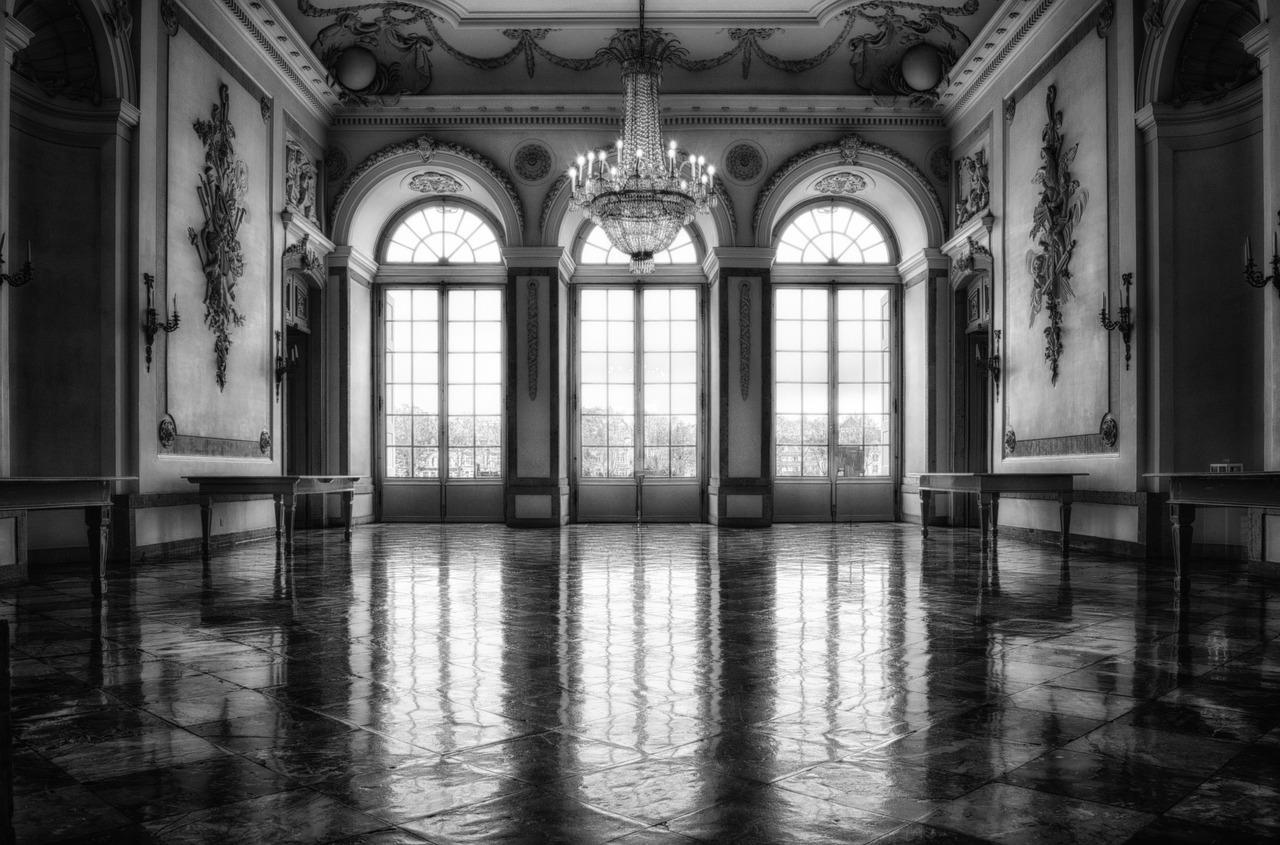
Anna Rice Cooke assembled art across cultures deliberately — her 1927 dedication aimed the museum at Hawaii's children of many ancestries, so the collection was multicultural before the word (Asian and Western art given equal dignity from day one), and the building (Bertram Goodhue's office, finished after his death) translated the mission into architecture: low lava-stone walls, pitched Hawaiian roofs, and the courtyard plan that lets trade winds curate the circulation. The collection's deep cuts: the Michener ukiyo-e trove (thousands of prints — the rotating Japanese gallery is where the Great Wave surfaces), the Korean ceramics' quiet room, the Indian-and-Islamic galleries that preview the Shangri La day, the Kress Italian panels, the van Gogh (Wheat Field, painted months before his death) and the Hawaiian galleries' arc from volcano-school sublime through Tennent's monumental figures to the present's sovereignty-conscious contemporary work.
The visit craft
Alternate rooms and courtyards by design (the building teaches the rhythm), take the Asian wing unhurried (the pilgrimage-grade holdings), time lunch for the courtyard café (book or arrive early — the tables fill), and check the calendar on arrival (docent tours, the cinema's schedule, evening events). The Shangri La logistics in detail: tours run limited days and sizes, depart from HoMA by shuttle, and book out well ahead — the Islamic-art estate (Duke built it 1937 after her honeymoon's Islamic-world immersion; the collection runs 3,500-plus works integrated into the architecture) rewards the planning, and its oceanfront pavilion over the Cromwell's surf break is among Hawaii's singular rooms. The neighborhood note: the museum anchors the Makiki-ward arts blocks — the capitol district's architecture walk and the First Friday gallery nights connect — and the ten-minute hop from Waikīkī makes it the easiest high-culture add in the islands.
Practicals and fit
900 S. Beretania at Kinau (ten minutes from Waikīkī), 2-3 hours at courtyard pace, café lunch worth planning, Shangri La tours booked well ahead. Fit: couples' art date, culture travelers' essential, the civilized answer to rain or too much sun.
What to expect
The experience
World-class galleries arranged around open-air courtyards — pilgrimage-grade Asian holdings, van Gogh and Monet, the Arts of Hawaiʻi arc, fountain-and-banyan courts between rooms, and the separately booked Shangri La estate tours.
Best time
Any weather — the courtyards make rain charming and heat irrelevant; time lunch for the courtyard café, and book Shangri La tours well ahead.
How long
Two to three hours at courtyard pace.
Tips
Alternate rooms and courtyards — the building teaches the rhythm. The Michener gift means the Japanese gallery rotates Hokusai; ask what is up. The HoMA-morning-Shangri-La-afternoon double is Honolulu's connoisseur move.
Quick picks
- Best for
- The courtyards ARE the date — Honolulu's most civilized hours.
- Families
- Open-air courts forgive wiggly kids, and the volcano-school lava canvases hold them.
- Couples
- Fountain courts, the van Gogh, café tables under the banyan — the art date, perfected.
- Pair with
- The Shangri La tour departs from here; Iolani Palace and the capitol district sit minutes away.
- Time needed
- One unhurried art afternoon.
Good questions
What is special about the building?+
The 1927 courtyard plan — galleries stitched around open-air Mediterranean, Chinese and Spanish courts with fountains and banyan shade: the visit alternates art and garden air, and the architecture is the islands' answer to museum-going in this climate.
How strong is the collection really?+
Startlingly — the Michener ukiyo-e gift (rotating Hokusai), Asian holdings among America's finest, van Gogh and Monet in the European wing, and the Arts of Hawaiʻi galleries from volcano-school to contemporary Native Hawaiian work.
What is Shangri La?+
Doris Duke's Islamic-art estate at Black Point — Damascus rooms, Iznik tiles and the oceanfront pavilion — visited only on guided tours administered by HoMA, departing from the museum: limited and booked well ahead.
How long and how far?+
Two to three hours at courtyard pace, ten minutes from Waikīkī — with the café's courtyard lunch worth building the timing around.
Is there evening programming?+
A real calendar — the museum's art-house cinema, music nights and events extend it past daylight; check what is on during your week.