The Waikiki Trolley is Oahu's car-free enabler and the south shore's gentlest sightseeing: the open-air trolley fleet running color-coded hop-on-hop-off lines from Waikīkī's hotel core — the system solves the genuine problem that Honolulu's sights scatter beyond walking range while parking runs scarce-and-pricey: the Pink Line (the shopping-and-Waikīkī shuttle — the Ala Moana Center run that hotel guests ride constantly; the short-hop workhorse), the Red Line (the history line — downtown's loop past ʻIolani Palace, the King Kamehameha statue, Chinatown and the Capitol district: the roster's iolani-palace morning rides this), the Green Line (the Diamond Head connector — the crater's trailhead without the parking lottery, plus the Kapiʻolani Park and aquarium stretch), and the Blue Line (the scenic coast — the Kāhala and Hanauma-overlook panoramas southeast: the ocean-view ride that doubles as a photo tour), with the open-air cars themselves half the product (the breeze-and-views ride beats a rideshare's back seat, the conductors' narration runs charming-local, and the hop-on rhythm suits island pacing). The strategic math: the multi-day passes (1, 4 and 7-day tiers across lines) convert the trolley into Waikīkī-based transport infrastructure — a carless Oahu stay runs genuinely well on trolley-plus-occasional-rideshare, the Diamond Head and palace logistics alone justify passes for most itineraries, and families bank the flexibility (the hop-off whim at a beach or shave-ice stop is the system working). The honest frame: the trolley is transport-plus-charm rather than a formal tour (the narration is light; depth comes from the sights themselves), lines run on daytime schedules (evenings thin — check the current timetables), traffic is traffic (the Blue Line's coast run takes what it takes), and TheBus remains the cheaper workhorse for pure A-to-B. Fit: first trips basing in Waikīkī definitionally, families (the open-air novelty plus logistics), couples (the Blue Line's coastal hour), and every carless Oahu stay.
The lines in practical detail
Pink runs the Waikīkī-Ala Moana shuttle at high frequency (the shopping-and-food-hall run — most riders' first trolley), Red loops the historic core (the palace, statue, Chinatown and the civic district — ride it TO the iolani-palace timed entry, hop off for the downtown loop, return on a later car), Green serves Diamond Head (the crater hike's parking problem solved — the early cars catch the cool-morning climb window) with the Kapiʻolani Park cluster (zoo, aquarium, the park's banyan shade), and Blue runs the southeast coast's scenic arc (Kāhala's residential lushness, the Maunalua Bay views, the photo stops toward Hanauma's overlook — the line to ride entire, round trip, as the sightseeing hour it is). The pass craft: match the pass to the itinerary's shape (a 1-day all-line pass serves the sampler day; the 4-day tier fits most Waikīkī weeks; single-line tickets serve the Pink-only shuttle need), kids' pricing helps families, and the first-ride orientation (grab the current route map — stops and schedules evolve) prevents the classic wrong-direction wait.
The using-it-well notes
Mornings run coolest and emptiest (the Diamond Head window especially), the open-air rows on the ocean side win the Blue Line, the hop-off discipline beats riding loops passively (the system rewards treating stops as chapters — palace hour, Chinatown lunch, beach reset), and the evening gap means planning dinner transport separately. The context worth a line: the trolleys' vintage-streetcar styling nods to Honolulu's actual streetcar era (the rails ran until 1941 — the trolley revives the look, not the tracks), and the fleet's open cars are built for exactly this climate: the ride IS the air-conditioning.
Practicals and fit
Lines depart the Waikīkī core (hotel-adjacent stops), passes 1-7 days with kids' tiers, daytime schedules (check current timetables), open-air seating. Fit: carless Waikīkī stays definitionally, families' flexible days, the palace-and-Diamond-Head logistics solver — Oahu's south shore, unlocked.
What to expect
The experience
Open-air hop-on-hop-off trolleys on color-coded lines — Pink's Ala Moana shuttle, Red's historic downtown loop, Green's Diamond Head connector and Blue's scenic southeast coast — with 1-to-7-day passes as Waikīkī transport infrastructure.
Best time
Mornings for the cool Diamond Head window and empty cars; ride Blue entire as the coastal sightseeing hour; evenings thin, so plan dinner transport separately.
How long
Flexible by design — single rides to week-long passes.
Tips
Take the ocean-side open rows on the Blue Line. Treat stops as chapters — palace hour, Chinatown lunch, beach reset — rather than riding loops passively. Grab the current route map; schedules evolve.
Quick picks
- Best for
- The carless Waikīkī stay — the south shore's scattered sights, unlocked.
- Families
- Open-air novelty plus hop-off freedom — the shave-ice stop on a whim is the system working.
- Couples
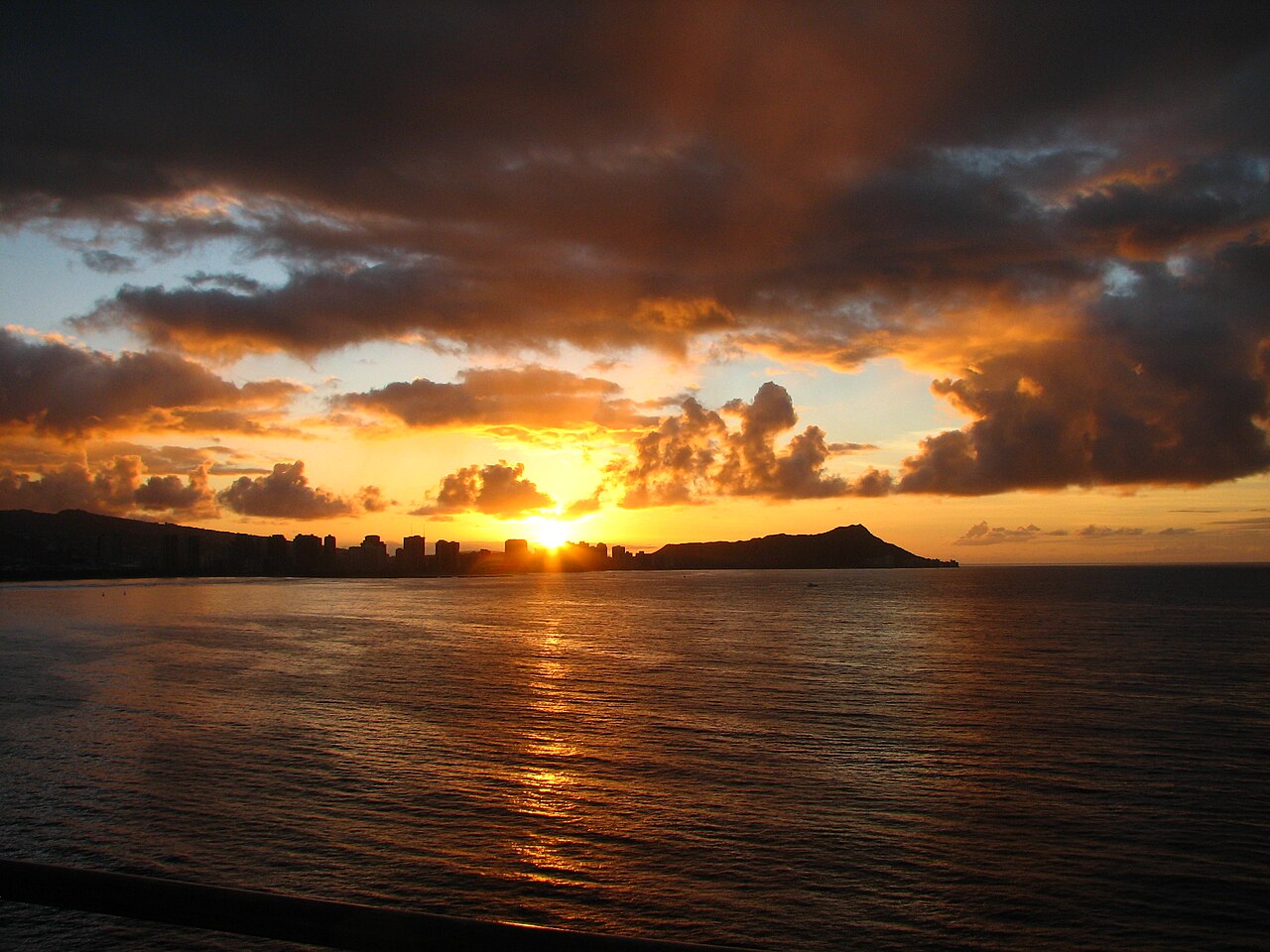
- The Blue Line ridden entire — the southeast coast as a breezy golden-hour tour.
- Pair with
- Red delivers the Iolani Palace morning; Green solves Diamond Head's parking lottery.
- Time needed
- A pass matched to your Waikīkī week.
Good questions
Which line should we ride first?+
Match the day — Red for the ʻIolani Palace and Chinatown history loop, Green for Diamond Head's trailhead without the parking lottery, Blue ridden entire for the scenic southeast coast, Pink for the Ala Moana shuttle everyone ends up using.
Is it a tour or transport?+
Both, lightly — the conductors narrate charmingly and the open-air ride is half the product, but the depth comes from the sights: treat it as hop-on infrastructure with a view.
Do we need a car on Oahu if we use it?+
A Waikīkī-based stay runs well on trolley passes plus occasional rideshares — the palace, Diamond Head, Ala Moana and the coast are covered; a North Shore or windward day still argues a one-day rental.
What pass makes sense?+
The 1-day all-line pass for a sampler; the multi-day tiers for most Waikīkī weeks; kids' pricing helps families — match the pass to how many trolley-shaped days the itinerary holds.
Do the trolleys run at night?+
Schedules are daytime-weighted and evenings thin — check current timetables and plan dinner transport separately; mornings run coolest and emptiest.