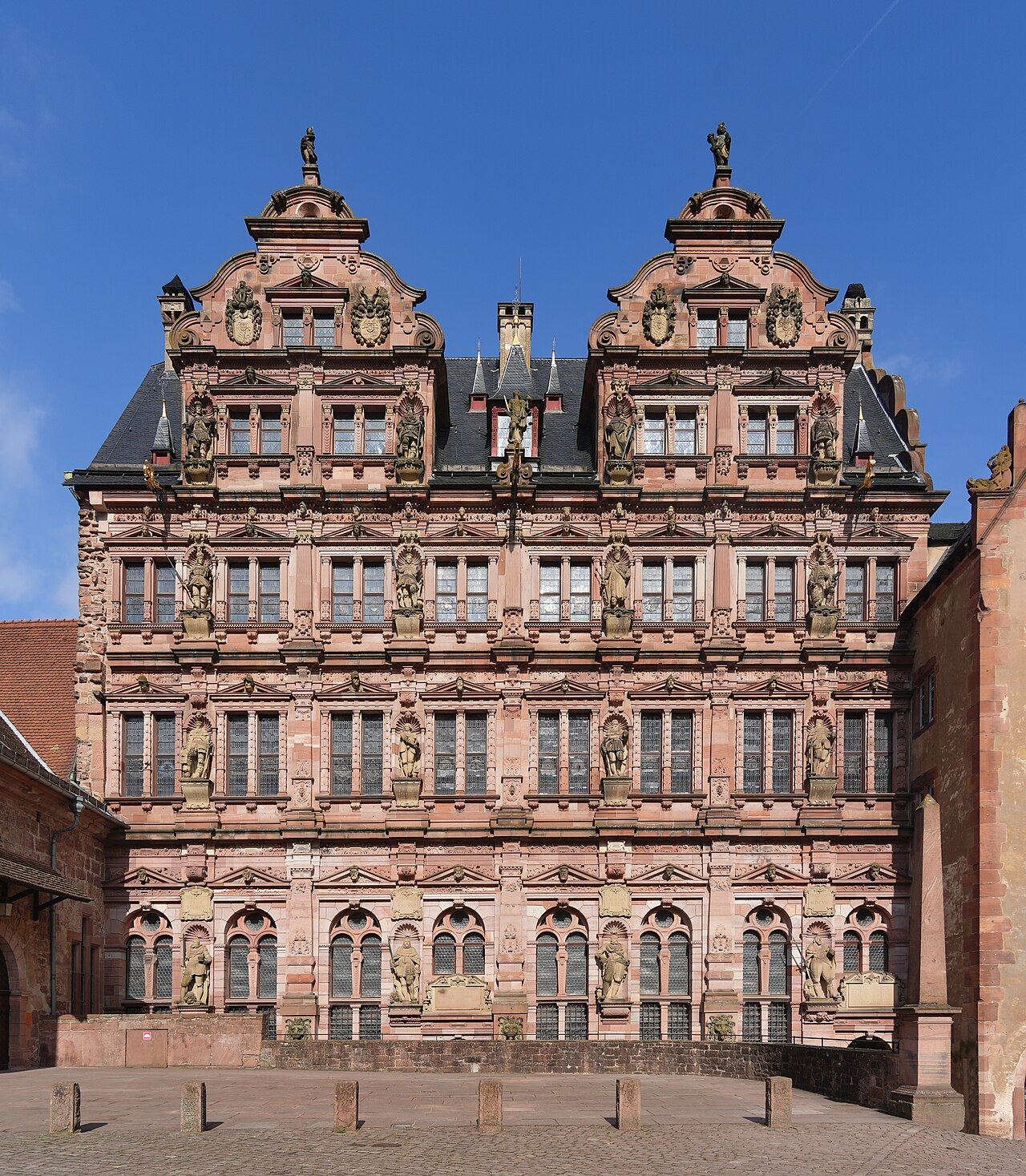
Heidelberg is small, steep and very walkable, and it rewards a short visit better than almost any city in Germany. The castle ruin sits above a long pedestrian Old Town, the Neckar runs along the foot of the hill, and a famous hillside path faces it from the other bank. Most of the headline sights sit within a kilometre or two of each other, so the planning questions are mostly about order and timing rather than distance. Here is how to do it well.
How many days
One full day covers the essentials: the castle in the morning, the Old Town and the Marktplatz at lunch, the Old Bridge and the Philosophers' Walk in the afternoon, and dinner in a tavern by the river. Two days let you add the Königstuhl funicular, a museum, the Student Prison and a slower pace, and a third day makes room for Schwetzingen Palace or a boat trip in the right season. Heidelberg also works as an evening stop on a longer trip, but you will miss the castle if you arrive late.
What to book ahead
Very little needs booking far ahead. The castle ticket is easy to buy online and includes the courtyard, the Great Vat, the German Pharmacy Museum and a return ride on the lower funicular, while guided tours of the castle interior run at set times and are paid on top, so decide early in winter when slots are fewer. Reserve a table for dinner on weekends. In Advent, book your hotel early, because Old Town rooms sell out for Christmas market weekends.
Getting around
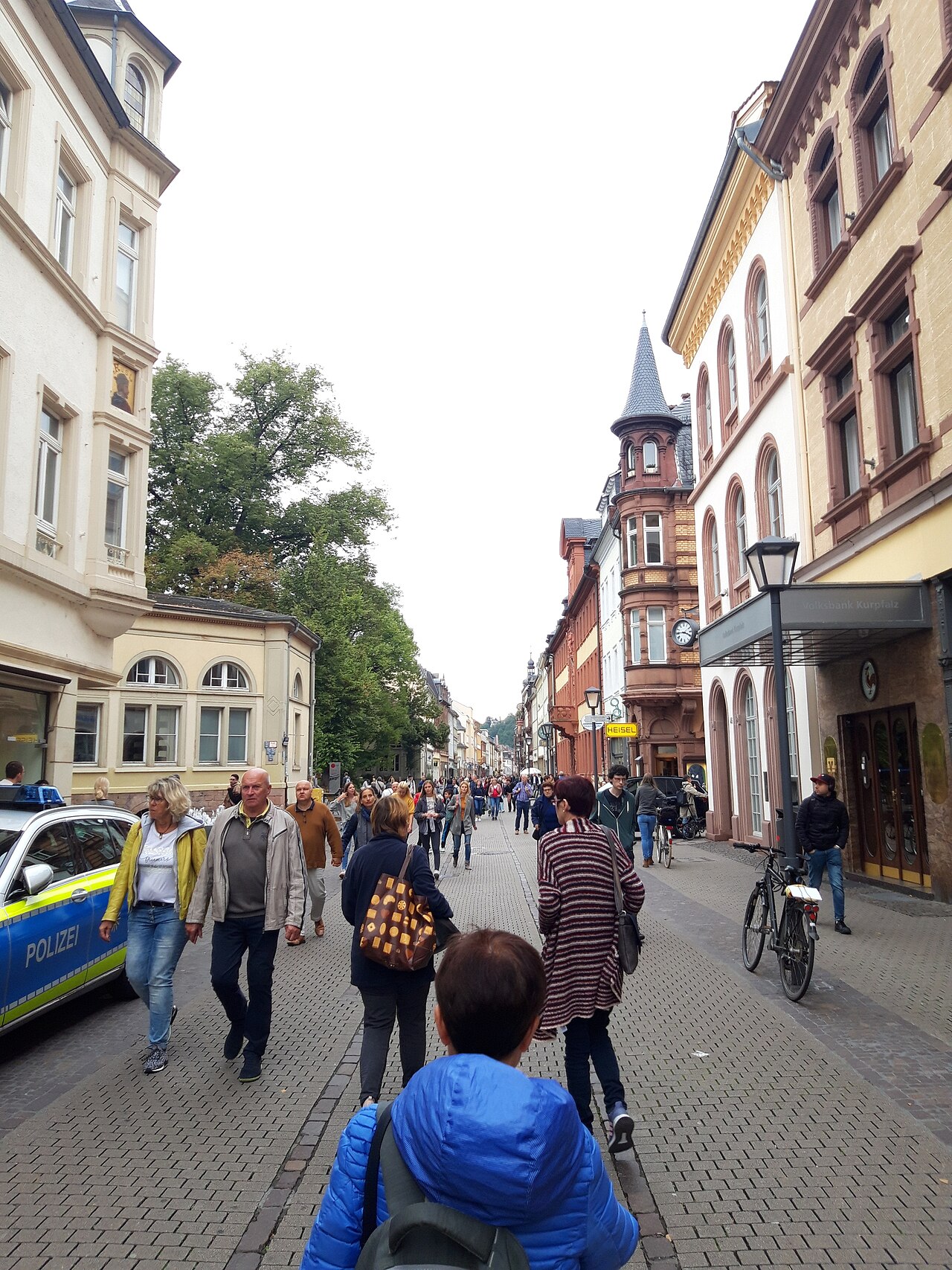
Walk. The Hauptstraße is pedestrian, the Old Bridge and the Philosophers' Walk are on foot, and the castle is a steep fifteen-minute climb from the Kornmarkt or a short ride on the funicular. Trams and buses link the Bismarckplatz with the main station and the suburbs, and the hotels outside the centre rely on them. Cobbles and slopes are the main challenge, so pack shoes with grip, especially in frost.
The castle and the funicular
Take the funicular up from the Kornmarkt and walk down, so the climb is behind you at the end of the visit. The upper line continues from the Molkenkur to the Königstuhl for the big panorama, and the railway changes to a shorter winter timetable from early November, so check the day's hours before you plan the summit. If you are planning well ahead, check the railway's current timetable before you fix a summit visit.
The Old Town and its sights
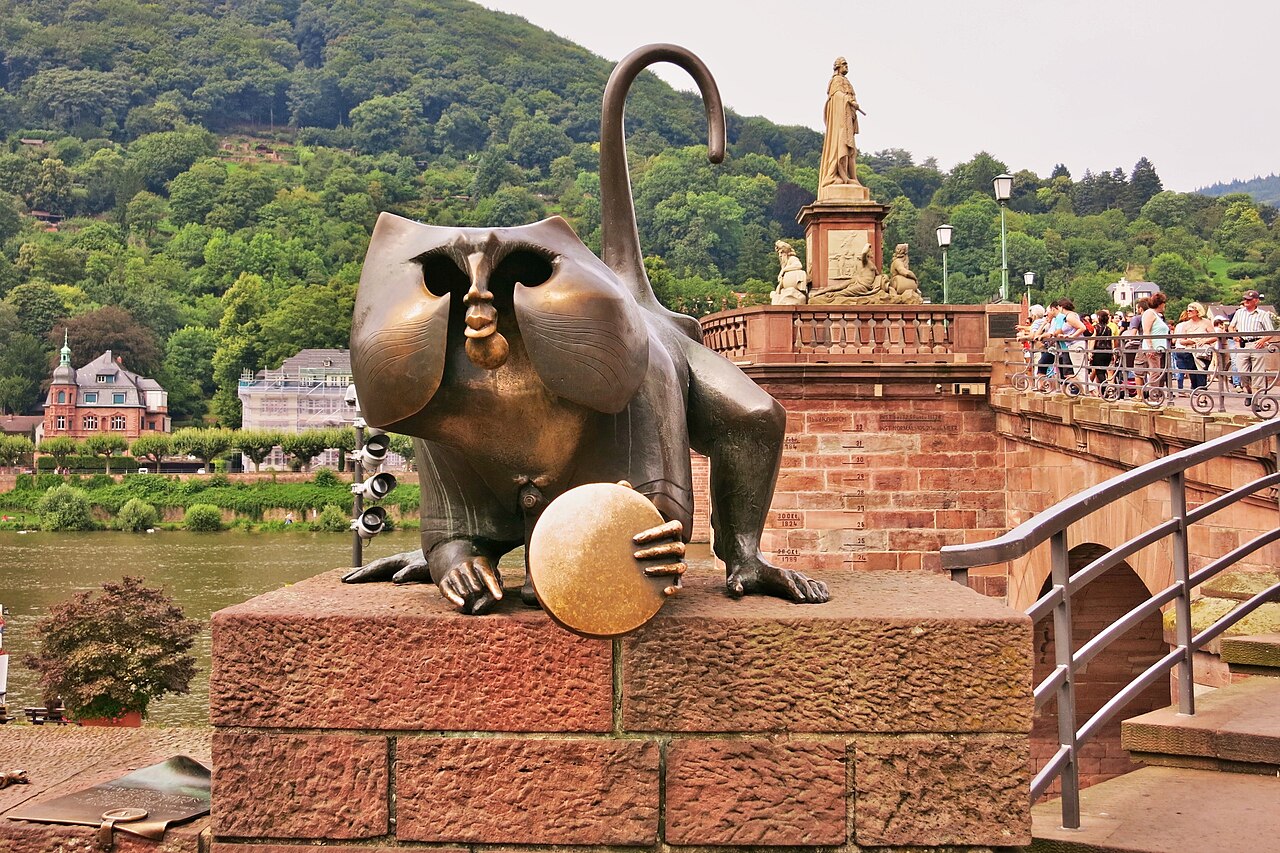
Start at the Marktplatz with the Hercules Fountain and the Church of the Holy Spirit, then walk the Hauptstraße toward the Universitätsplatz, where the Student Prison is a quirky short stop. The Kurpfälzisches Museum is a fine wet-weather choice, and the Old Bridge with its Bridge Monkey is a short walk from the Marktplatz. Cross the bridge for the Schlangenweg and the Philosophers' Walk, the best free view of the castle.
Winter and the Christmas market
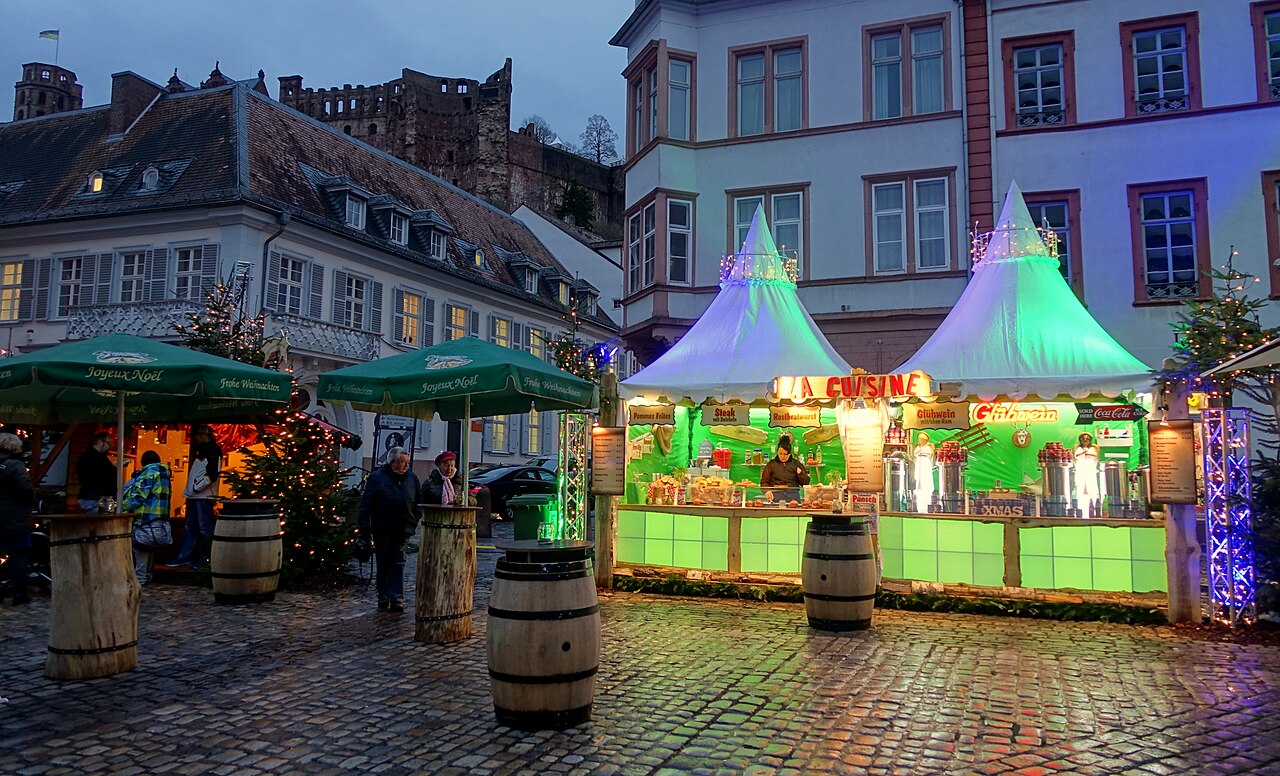
If you visit in winter, expect shorter days, cold cellars and quieter streets, and plan outdoor sights for the middle of the day. The Christmas market is a seasonal event: it opens in late November and runs to just before Christmas, across six Old Town squares, with an ice rink at the Karlsplatz. Nothing is open before the opening day, so do not plan a trip around it in early November. Boat trips on the Neckar are also seasonal, and Schwetzingen Palace has fewer, German-language palace tours in winter.
Food and drink
Heidelberg is a student city, and the food is hearty and good value. Try a brewhouse by the Old Bridge for a beer sampler and regional dishes, look for taverns in the side lanes, and reserve for weekends. Shops mostly close on Sundays, so plan supplies and gifts accordingly.
A simple plan
Morning at the castle with the funicular, a long lunch in the Old Town, the Old Bridge and the Philosophers' Walk in the afternoon light, and an evening in a tavern. That is Heidelberg at its best, and it still leaves time for a coffee on the Marktplatz.