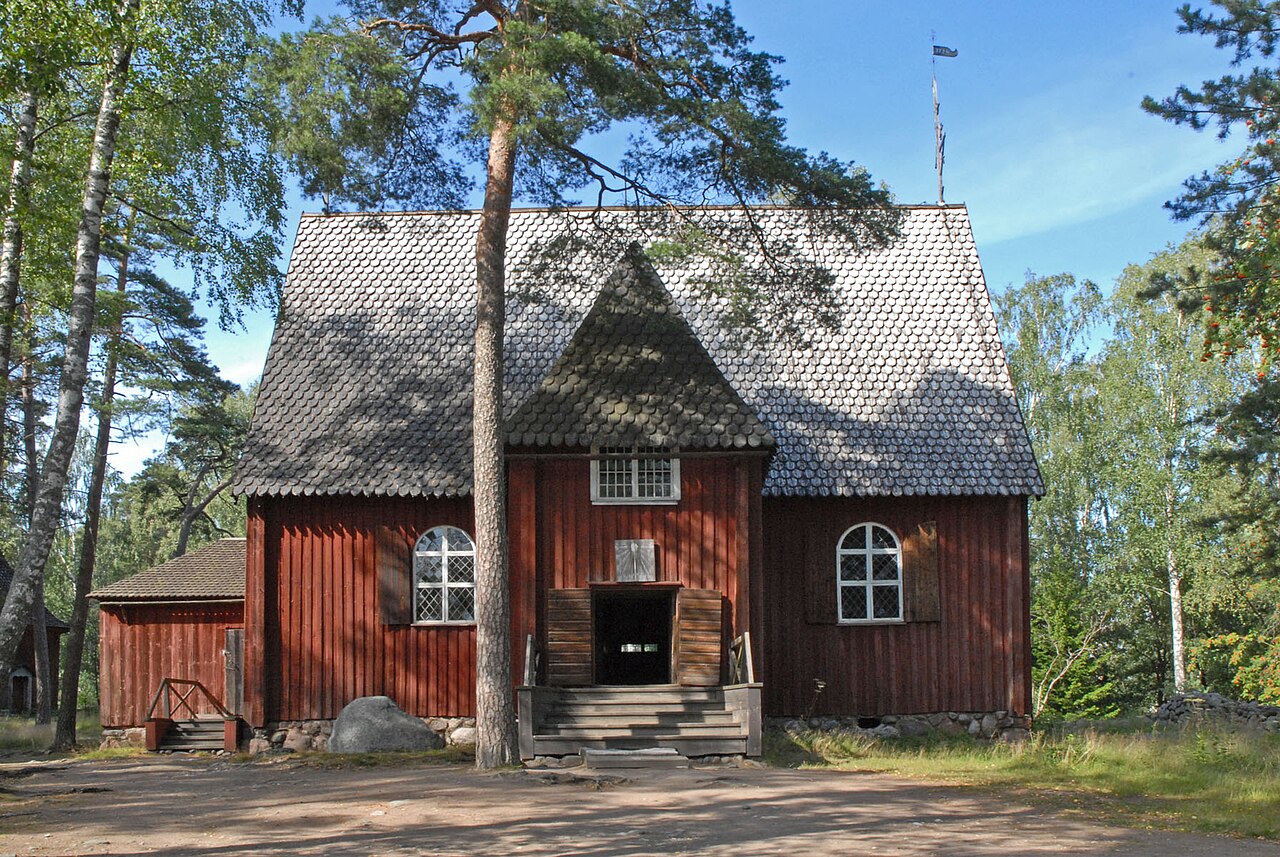
Seurasaari is where Helsinki goes to remember how Finland used to live. The island sits just off the coast to the north-west of the centre, and its open-air museum gathers historic buildings that were carefully taken down in villages across the country and rebuilt here: farmhouses, granaries, a manor, a chapel and the smoky cottages of ordinary families. Together they show rural Finnish life from the eighteenth to the twentieth century, and because the buildings stand in a forested park rather than behind glass, the visit feels more like a walk through a very quiet village than a museum trip. The island is also simply a lovely place to be. Paths wind between pine and birch, the shoreline is rocky and open to the Baltic, and the squirrels are bold enough to take food from a patient hand. Locals come for Midsummer bonfires, Sunday strolls and winter walks, which means the island is rarely dead even when the buildings are shut.
Getting there and the season
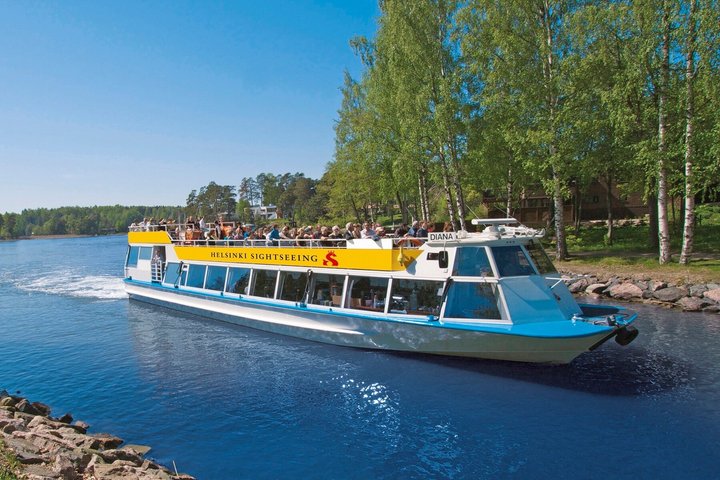
Seurasaari is reached on foot over a wooden footbridge from the mainland shore, with buses and trams from the centre to the stop nearby. The ticket on offer for the museum is a guided five-hour day that pairs city sightseeing with the island, which suits visitors who would rather have the context explained.
Independent visitors can wander the grounds on their own. The historic interiors are typically open only in the warmer months, so check the museum’s current dates before planning a visit outside summer; the island and its paths are open for walking all year.
What to expect
Allow two to three hours on the island itself. The buildings are small and low, with dark timber, narrow doors and bare benches, and they reward slow looking: notice the hearths, the tools, the way a whole family shared a single room. Staff in season explain what daily life looked like and how the buildings were moved.
Between the houses you walk through woods, so wear shoes that cope with roots, gravel and mud, and bring a layer even in July because the sea breeze cools quickly. There is a café on the island for coffee and a pastry.
Making the most of it
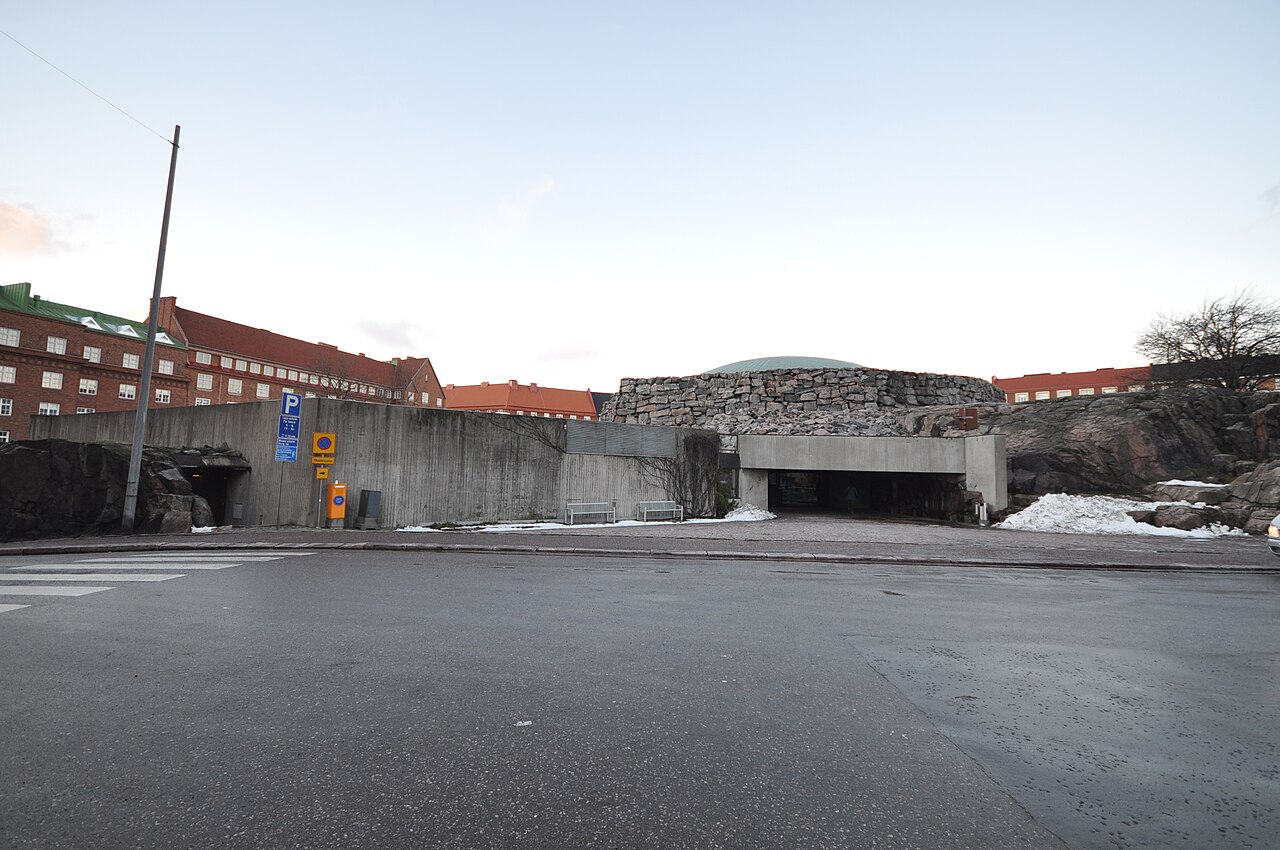
Pair Seurasaari with the Sibelius Monument and the Töölö shoreline, or finish at the Rock Church on the way back toward the centre. Go on a dry, still morning for the best light and the fewest school groups, and in autumn for colour. If you travel with children, the squirrels and the open lawns do most of the entertaining. In winter the museum is quiet, the island is white and silent, and a short walk to the shore and back is worth it even if the buildings are closed.
What to expect
The experience
An island park with relocated farmhouses, a manor and a chapel, explored on foot with seasonal interiors and a guided day option.
Best time
A dry, still morning in summer or early autumn.
How long
Two to three hours on the island.
Tips
Check the museum’s dates before going out of season, wear sturdy shoes and bring a windproof layer.
Quick picks
- Best for
- Visitors who want a gentle, scenic look at traditional Finnish life.
- Families
- Squirrels, lawns and low timber houses to poke around in.
- Couples
- A slow loop of the shoreline paths in golden light.
- Pair with
- The Sibelius Monument, Hietaniemi and the Rock Church.
- Time needed
- Half a day with travel.
Good questions
Where is Seurasaari?+
On an island just off the coast north-west of the city centre, linked to the mainland by a wooden footbridge.
What can you see at the open-air museum?+
Historic farmhouses, outbuildings, a manor and a chapel that were moved from villages across Finland and rebuilt as a village-style park.
Is Seurasaari open in winter?+
The island is open for walking all year, but the historic interiors are typically open only in the warmer months, so check before you go.
Is there a guided option?+
Yes, a five-hour guided day combines Helsinki sightseeing with a visit to the island.
Are there animals on the island?+
Red squirrels are everywhere and very tame, so bring something to hold out if you are patient.