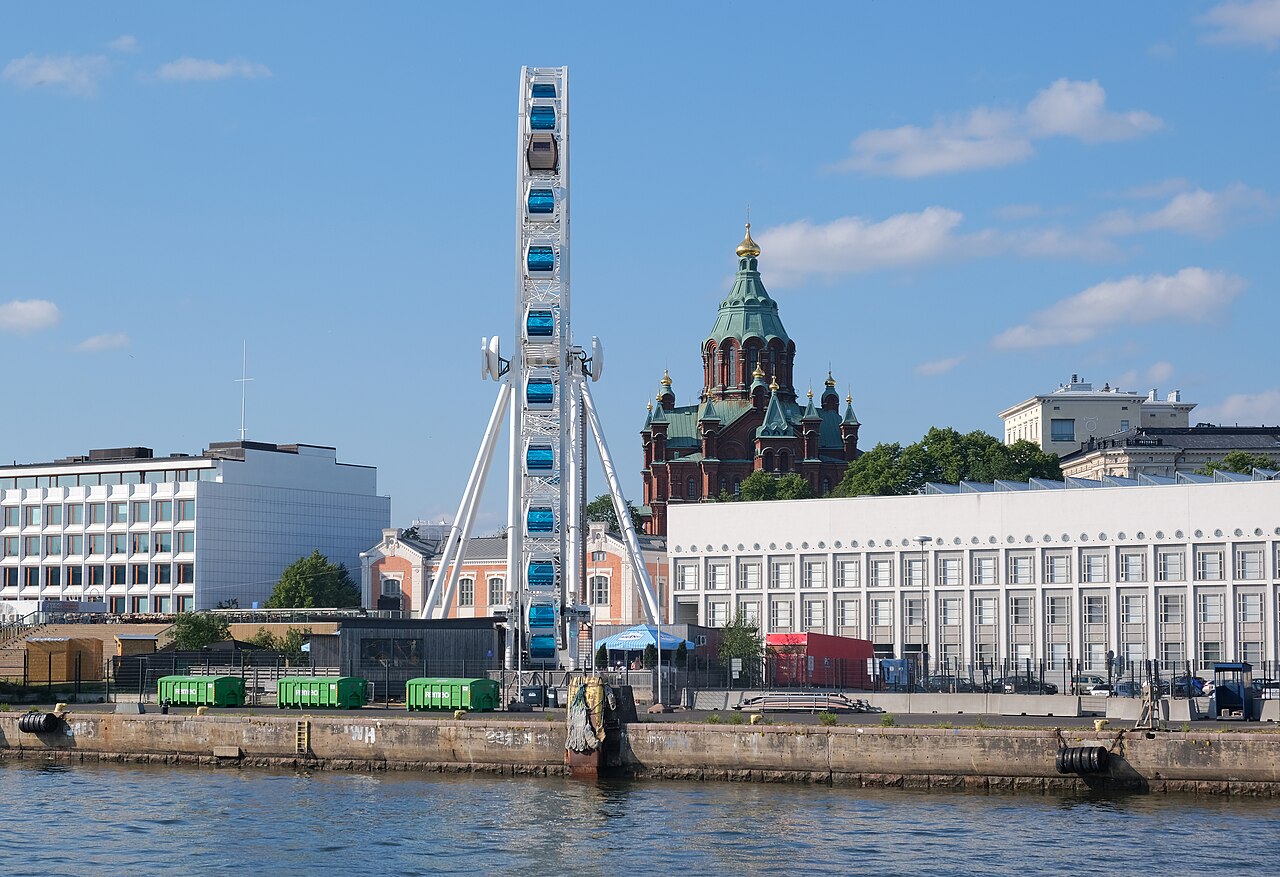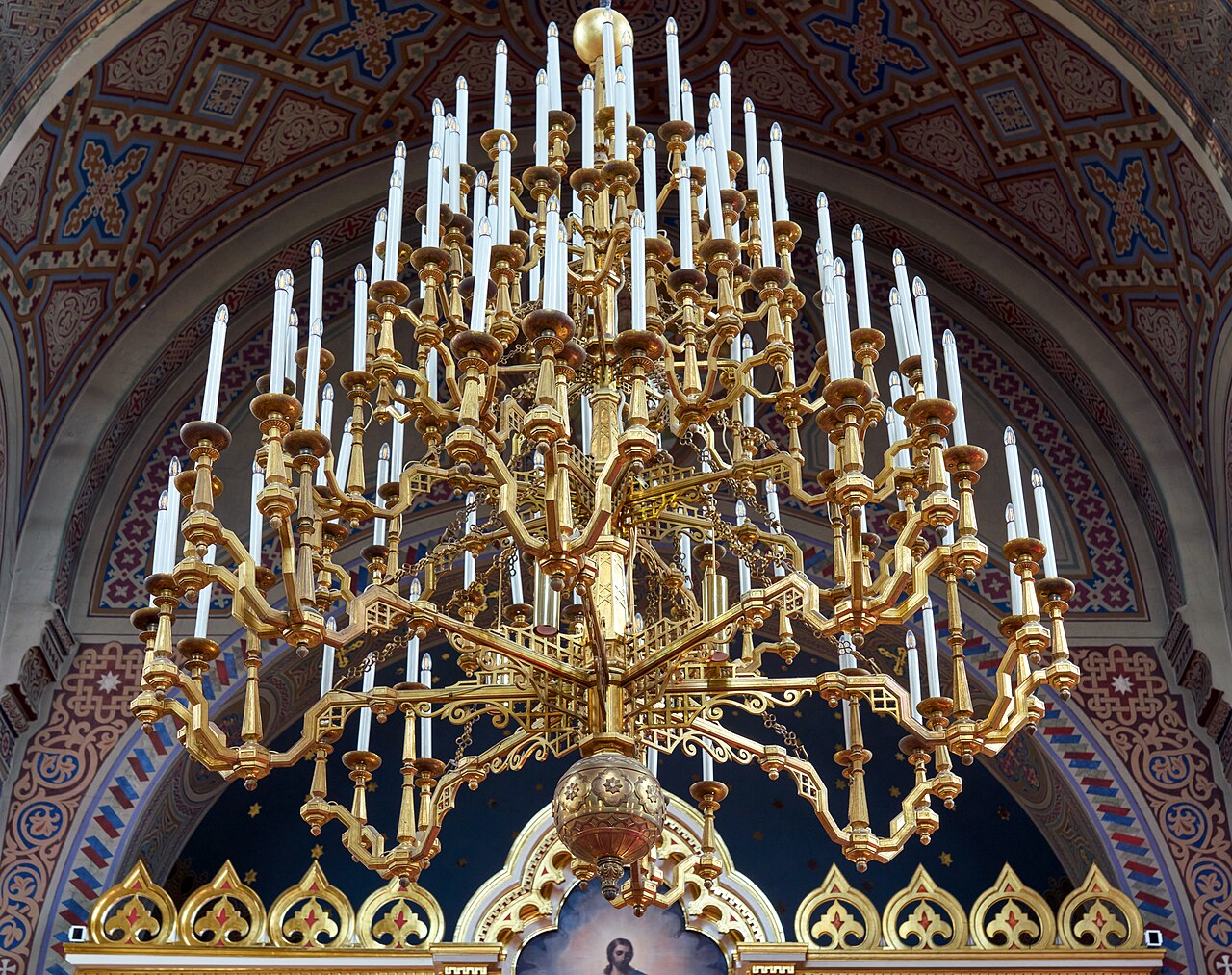
Uspenski Cathedral is the building that gives Helsinki’s skyline its Russian accent. Consecrated on 25 October 1868 and dedicated to the Dormition of the Mother of God, it was designed by the Russian architect Aleksei Gornostajev, who began work around 1859 and died in 1862, after which Ivan Varek took over. Construction took nine years, and the red bricks came from the Bomarsund fortress on Åland, which was destroyed during the Crimean War. It stands on the highest hill in the Katajanokka district, with a central cupola 33 metres high, and the parish describes it as the largest Orthodox church in northern and western Europe. Inside, the atmosphere is hushed and glowing: an iconostasis painted by Pavel Šiltsov mixes classical and Russian-Byzantine motifs, a restored celestial ceiling decorates the central cupola, and the cathedral holds the Kozelshchyna icon of the Mother of God, one of the great treasures of the Finnish Orthodox Church.
Planning your visit
From 1 September to 30 April the cathedral is open Tuesday to Friday 9:30 to 16:00, Saturday 10:00 to 15:00 and Sunday 13:00 to 16:00, and it is closed on Mondays. Summer hours are longer and are shown on the parish’s ticket pages. Adults pay a small fee of about €5, and visitors under 18 enter free. Tickets can be bought online or at the door by card or cash. Hours change each week and divine services can close the cathedral to visitors, so check before walking up.
What to expect
A visit takes thirty to forty-five minutes. This is a working church, so dress modestly, speak quietly and keep photography respectful, especially when services or prayers are under way. Services are mainly in Finnish. Take time to look up at the cupola and to study the icons, which are the real reason to come. The cathedral also hosts many concerts through the year, and an evening choir performance in the Orthodox tradition is memorable.
Making the most of it
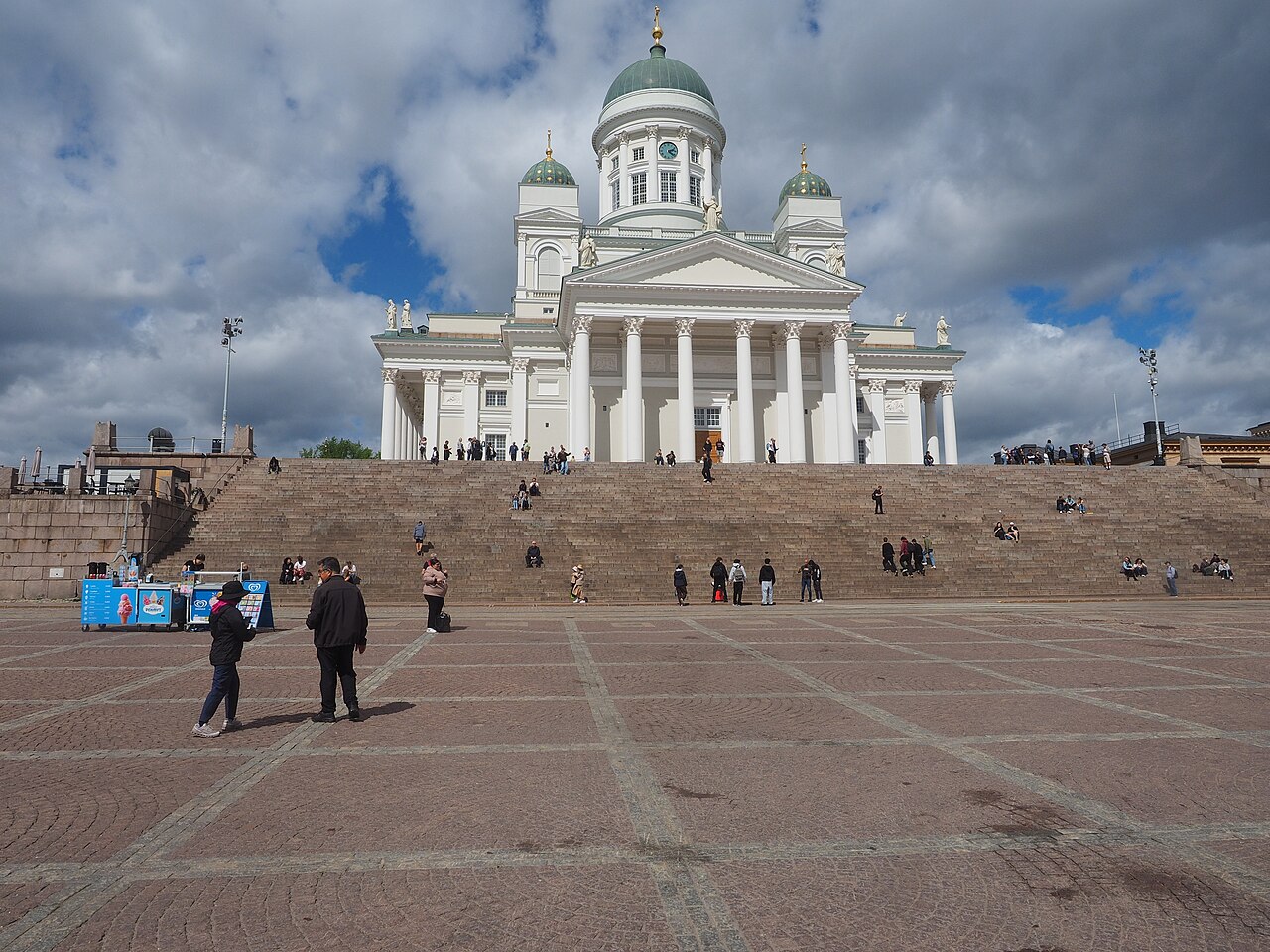
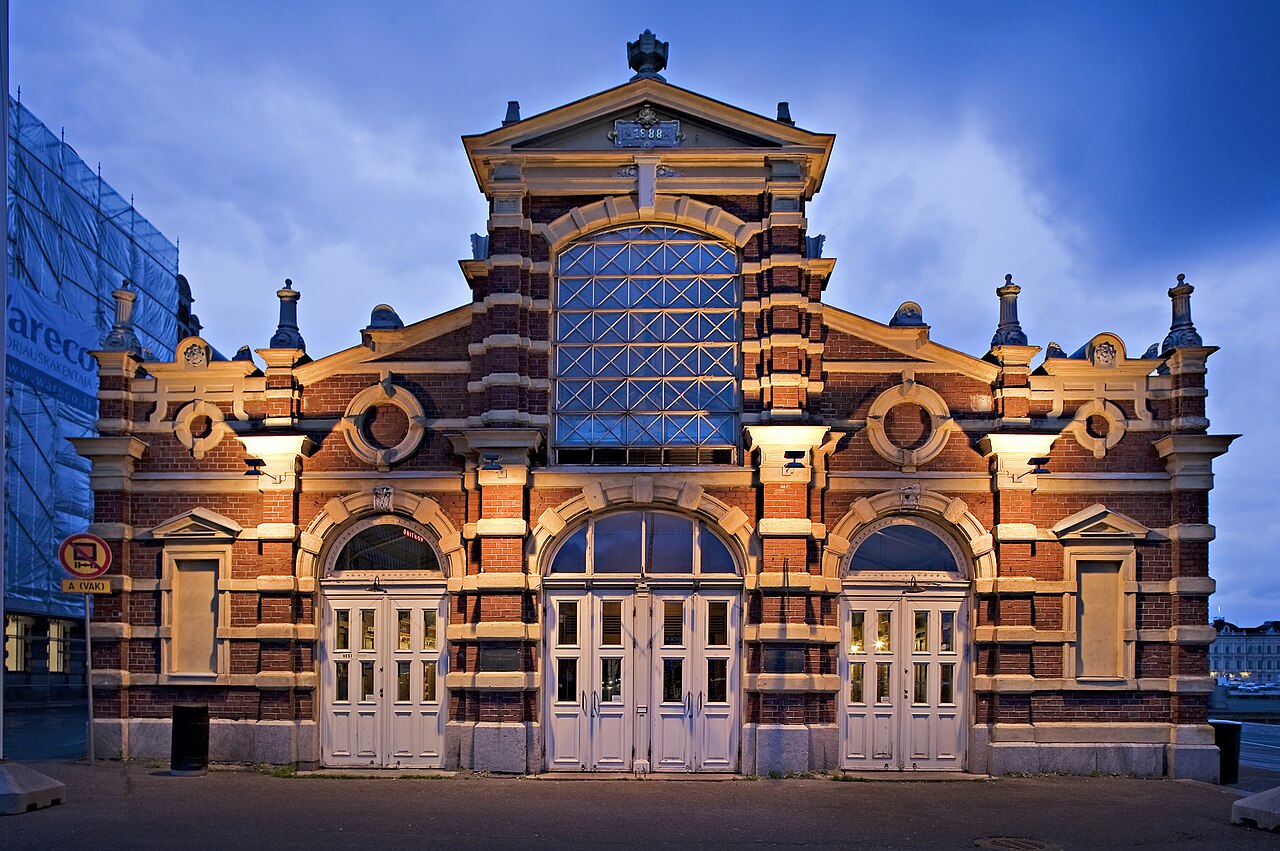
Uspenski is a short walk across the bridge from the Market Square, so pair it with the Old Market Hall and Senate Square, where the Lutheran cathedral makes a striking contrast. The steps in front of Uspenski offer one of the best photographs of the harbour. Go in the morning for softer light and fewer visitors, and remember that the hill is exposed to the wind in winter. Combine it with the SkyWheel and the Allas Sea Pool, both nearby on the Katajanokka waterfront, for an easy half day.
What to expect
The experience
A short visit to a working Orthodox cathedral with a gilded iconostasis and a hilltop harbour view.
Best time
Weekday mornings, outside service times.
How long
Thirty to forty-five minutes.
Tips
Check the weekly hours since services close the cathedral, dress modestly and carry a card for the small entry fee.
Quick picks
- Best for
- Anyone who wants Helsinki’s Russian-Orthodox heritage in one stop.
- Families
- Quick enough for children, though they must stay quiet.
- Couples
- A calm hilltop stop before dinner on the Katajanokka waterfront.
- Pair with
- The Market Square, Senate Square and the SkyWheel.
- Time needed
- Under an hour.
Good questions
Is Uspenski Cathedral free?+
Adults pay a small fee of about €5; under-18s enter free.
What are the winter opening hours?+
From 1 September to 30 April: Tuesday to Friday 9:30 to 16:00, Saturday 10:00 to 15:00, Sunday 13:00 to 16:00, closed Monday.
How big is it?+
The parish calls it the largest Orthodox church in northern and western Europe, with a central cupola 33 metres high.
Why is it made of red brick?+
The bricks came from the Bomarsund fortress on Åland, destroyed during the Crimean War.
Can I visit during a service?+
Services can close the cathedral to visitors, so check the weekly schedule first.