Hiroshima and Miyajima make an unusually satisfying pair. One is a modern city shaped by its history and its message of peace; the other is a sacred island with a shrine that seems to float on the sea. Together they give you two UNESCO World Heritage Sites, a famous local dish and some of the easiest sightseeing logistics in Japan. This guide shows what to book, how to move around and how to fit the highlights into your days.
How many days
Two days is the sweet spot. Give one day to the city and one to Miyajima, and you can see the main sights without rushing. One day works if you are on a day trip from Osaka or Kyoto, though it is a long one. Three days lets you add Shukkeien Garden, Hiroshima Castle, a food tour and a day trip to Iwakuni and the Kintai Bridge at an easier pace.
What to book ahead
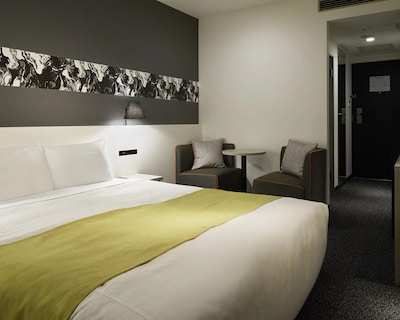
Very little in Hiroshima needs reservations, which is part of its charm. The few exceptions are worth knowing. The Peace Memorial Museum requires online reservations for certain early-morning and evening slots, so check its website if you plan to go at those times. Food tours and small-group experiences, such as the Best of Hiroshima food tour or a kimono tea ceremony at Shukkeien, sell out in busy seasons, so book them early. If you are coming from Kyoto or Osaka and want a guided day with bullet-train tickets and entry included, book that tour a few days ahead. Accommodation, especially on Miyajima, should be reserved well in advance for November and spring.
Getting around Hiroshima
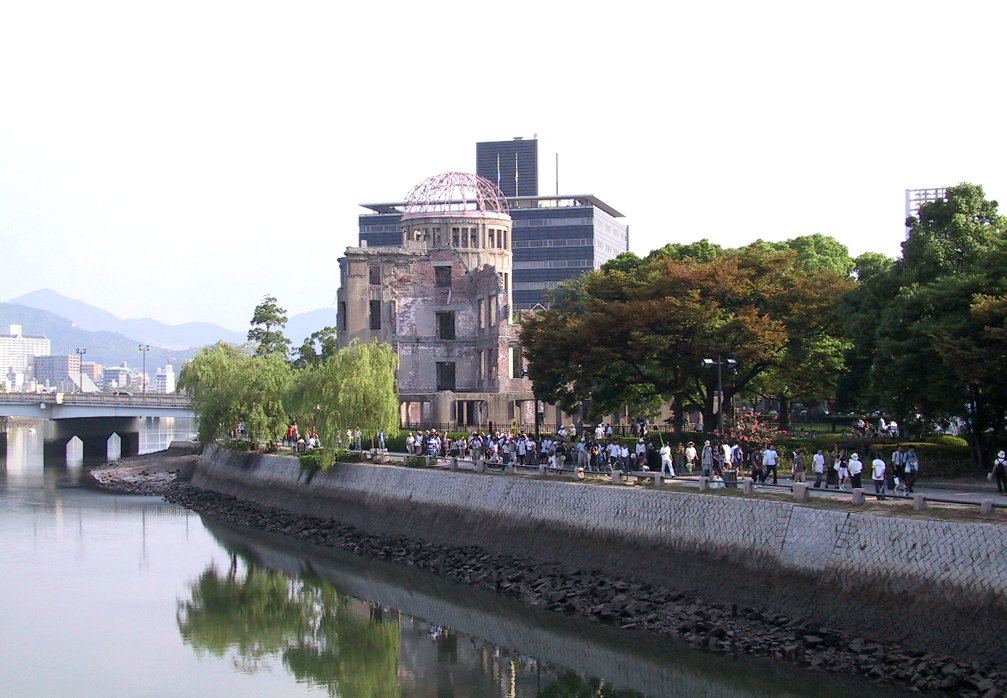
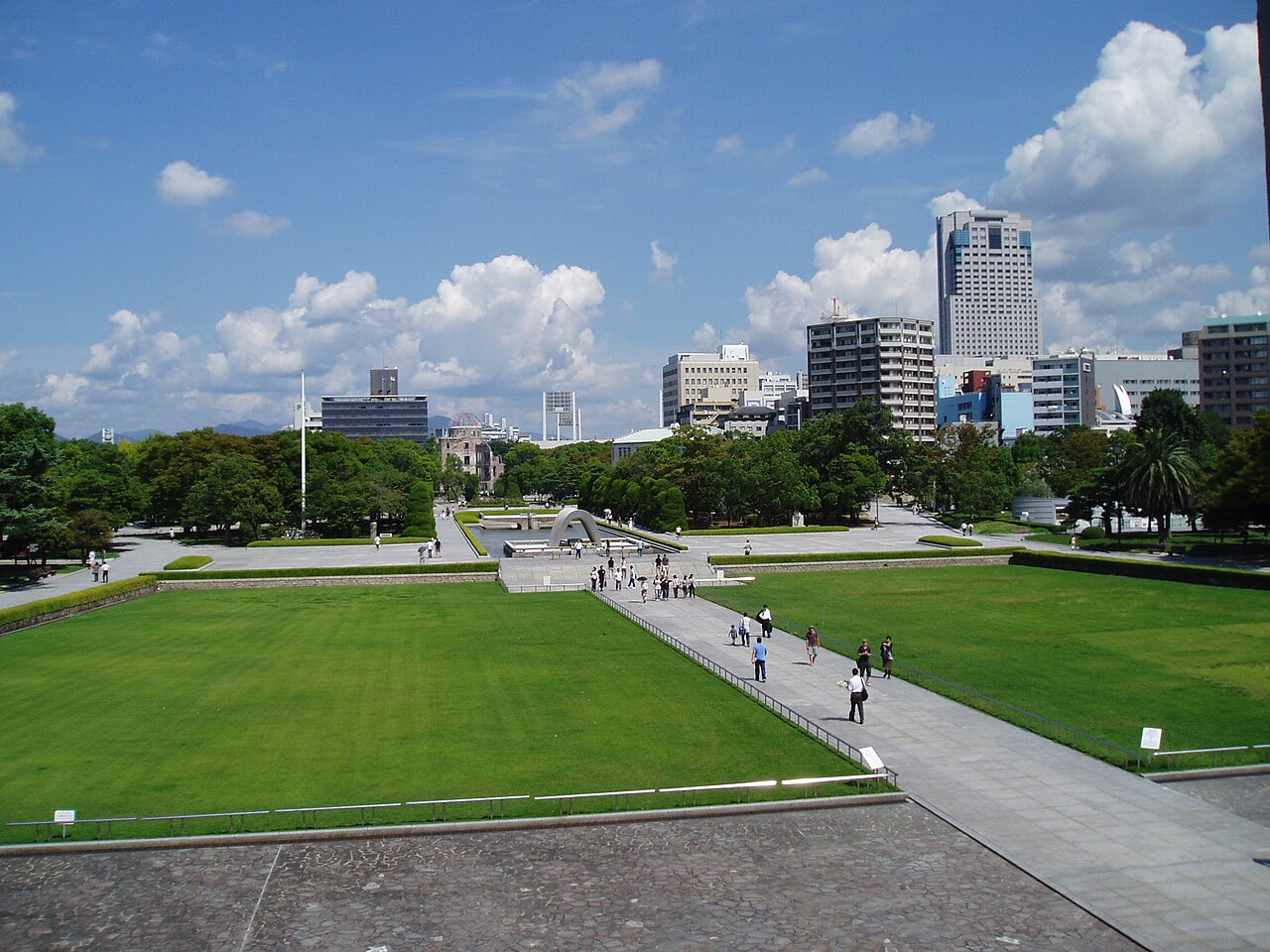
The streetcar network is the easiest way to move. Trams run from Hiroshima Station through downtown, past the Atomic Bomb Dome and on to the port, and a single ride costs a modest flat fare in the central zone. IC cards from other Japanese cities work on the trams, so tap in and out. The Peace Memorial Park, the Dome and Orizuru Tower are all in one area and best seen on foot, and Hiroshima Castle and Shukkeien Garden are a short tram ride or a walk away.
Getting to Miyajima
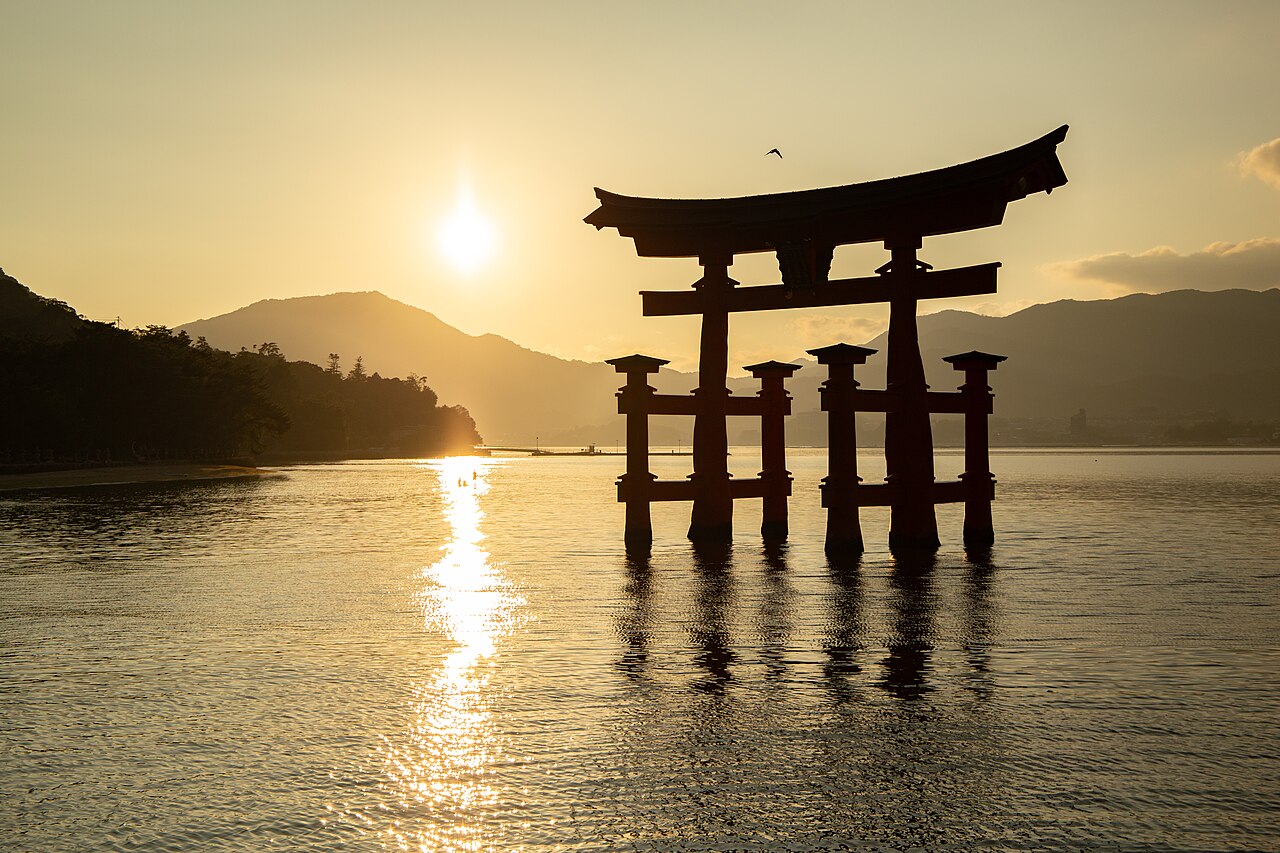
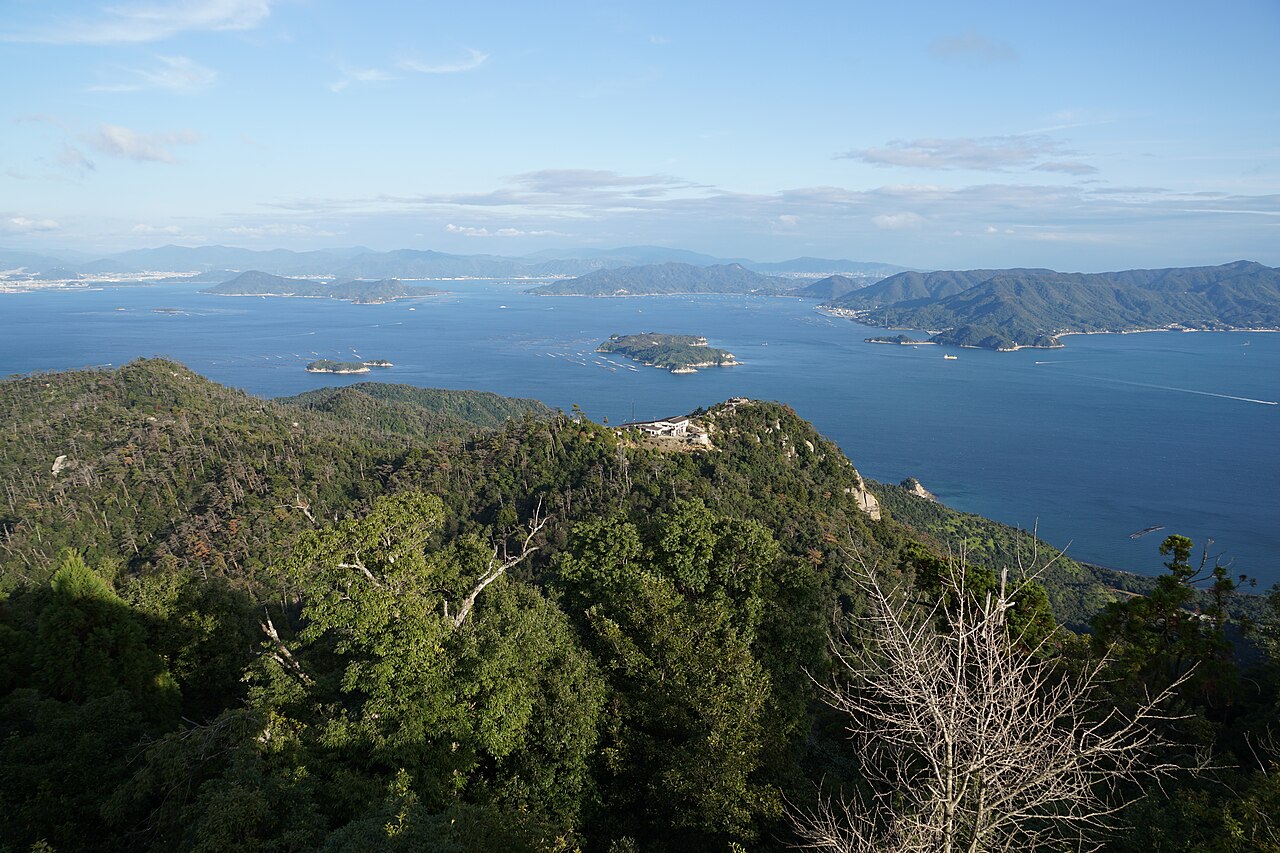
From Hiroshima Station, take the JR line to Miyajimaguchi, about half an hour, and then a ten-minute ferry to the island. A small visitor tax is collected with the ferry fare. Check the tide table: high tide for the floating look of the shrine, low tide for walking to the torii. The shrine closes earlier in autumn, so aim to arrive by early afternoon. If you want to climb Mount Misen, ride the ropeway in the morning and check the last descent time.
Where the headline sights fit
Plan one half-day for the Peace Memorial Park and Museum, with the Atomic Bomb Dome on the same walk and the Orizuru Tower rooftop to put it all in context. Add a late-afternoon visit to Shukkeien Garden and the castle grounds, remembering that the castle keep closed in March 2026 and has not reopened, so the grounds and Ninomaru are what you can enjoy now. Spend your evening on okonomiyaki, either on a guided food tour or at one of the counters in the multi-floor food building downtown. Give another day to Miyajima and Mount Misen, and a third, if you have it, to Iwakuni.
Seasons and timing
Spring and autumn are the best seasons, with cherry blossoms in spring and red maples around Miyajima and Shukkeien in November. Summer is hot and humid, and 6 August brings the Peace Memorial Ceremony, which makes the park crowded and accommodation scarce. Winter is quiet and cool and a good time for oysters, which are a local specialty.
Respect and pace
The museum and the park are memorials, so allow time afterward to rest, and do not schedule a loud or hurried activity right after. Many travelers find it helps to do the museum first thing in the morning and spend the afternoon somewhere gentle, such as the garden. Wear comfortable shoes, carry a refillable bottle and leave space for the unplanned moments, like a conversation with a volunteer guide or a bowl of noodles in a side street.