Hobart punches above its size for food and drink. The island's cold, clean waters produce seafood prized across Australia, its cool climate suits pinot noir, sparkling wine and whisky, and small farms supply cheese, berries, honey and chocolate. You can eat well on any budget, from a pie at a bakery to a long dinner on the waterfront. This guide explains where to start and what to book ahead.
Seafood on the waterfront
Constitution Dock and the surrounding quays are the traditional place for fish and chips, grilled catch of the day and scallops. Tasmanian oysters, abalone, rock lobster, salmon and ocean trout are all worth trying, and menus often name the source. Seasonal patterns apply, so ask what is freshest. Book dinner on weekends and during summer events, when the waterfront is busy. For a casual meal, buy from a dockside stall and eat by the water.
Salamanca Market and Salamanca Place
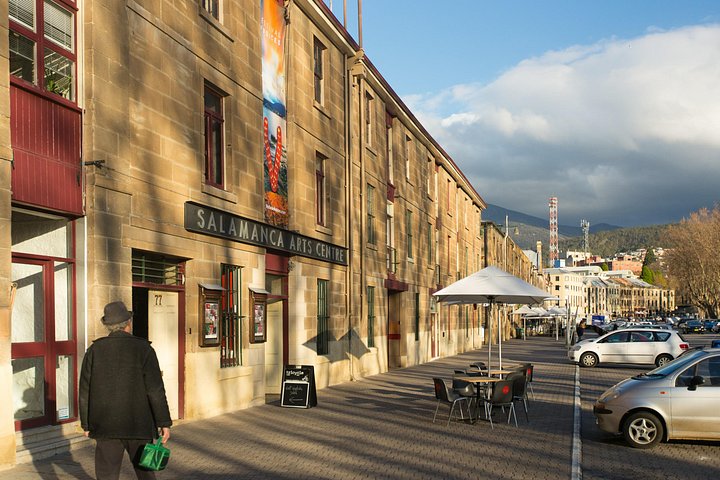
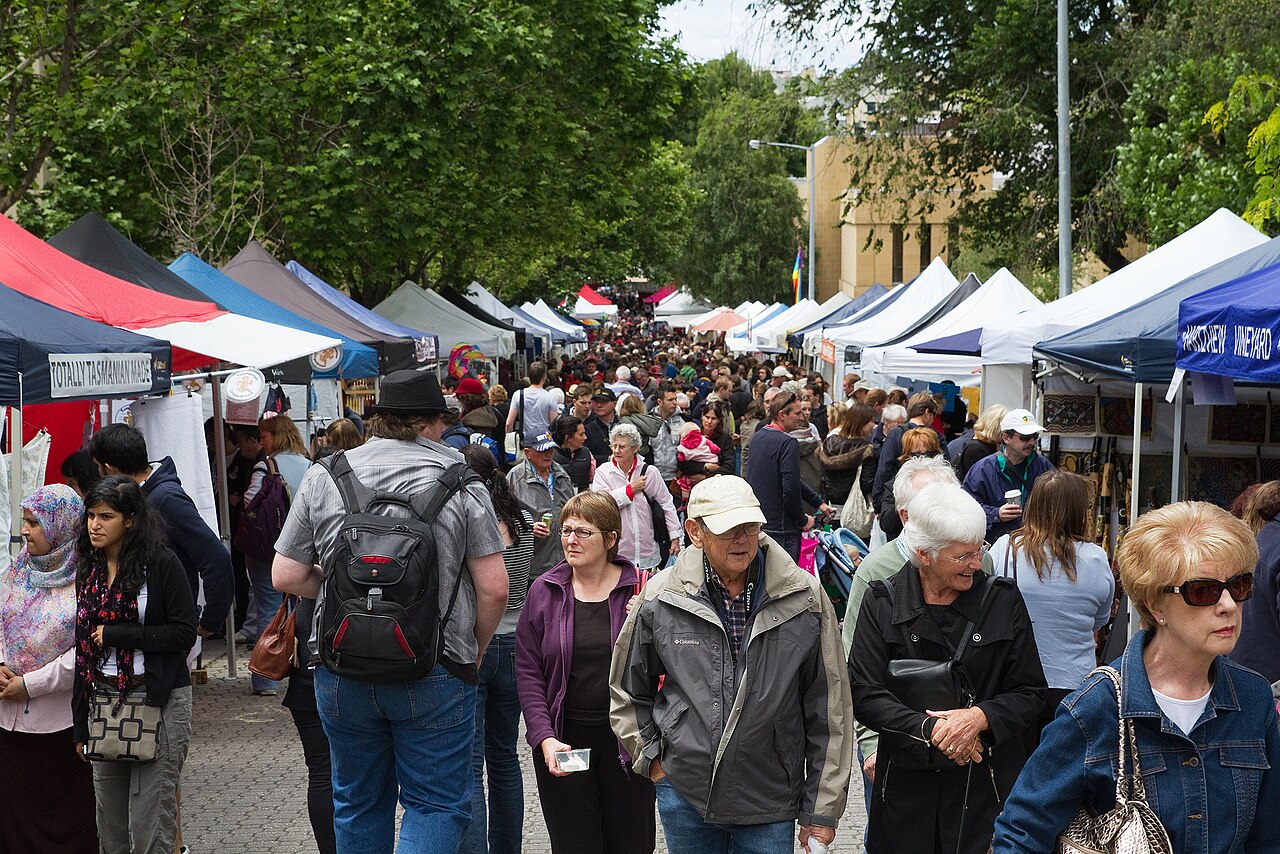
The Salamanca Market runs on Saturdays and is the easiest way to taste the island in one morning, with stalls selling local produce, baked goods, preserves, coffee and street food. Arrive early to beat the crowds and bring a bag for purchases. The restaurants and bars in the sandstone warehouses of Salamanca Place offer more relaxed meals the rest of the week.
Beer, wine and whisky
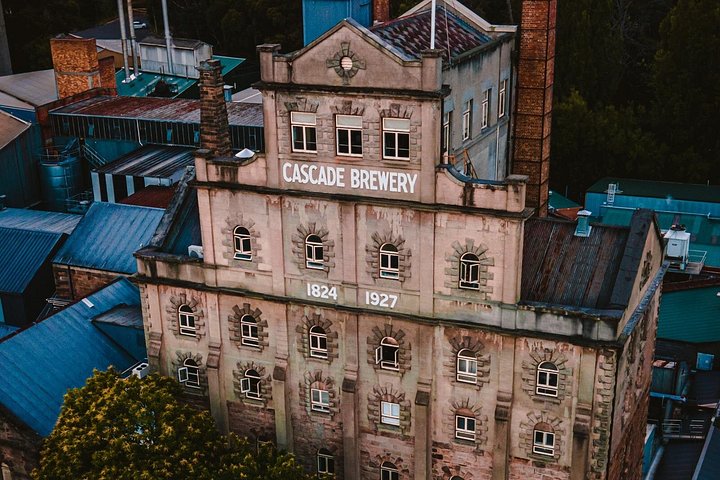
The Cascade Brewery tour is the classic beer outing, set in a historic complex at the foot of the mountain, with a tasting of Cascade beers included. Mona has its own winery and brewery on site, so a visit combines art with a long lunch. For wine, the cool-climate vineyards of the Coal River Valley near Richmond are a short drive from the city and suit a half-day outing. Tasmanian whisky has a strong reputation, and many bars in the city stock a wide range, so ask for a flight to compare. Designated drivers or guided tours are the sensible choice for tasting days.
Bruny Island produce
The Bruny Island day trip is the standout food excursion, with oysters, cheese, berries, honey and chocolate available at small producers on the island. Opening days vary by season, so go with a tour that knows what is open, and bring an appetite. Tours leave early, and the ferry crossing is part of the experience.
Huon Valley and the south
South of Hobart, the Huon Valley is known for apples and cider, and cider houses, orchards and farm gates make a pleasant stop on the way to the Tahune Airwalk. Fruit seasons matter: cherries and berries peak in summer, and apples arrive in autumn. A local tasting trail is a good way to sample these without driving.
Cafes, bakeries and breakfast
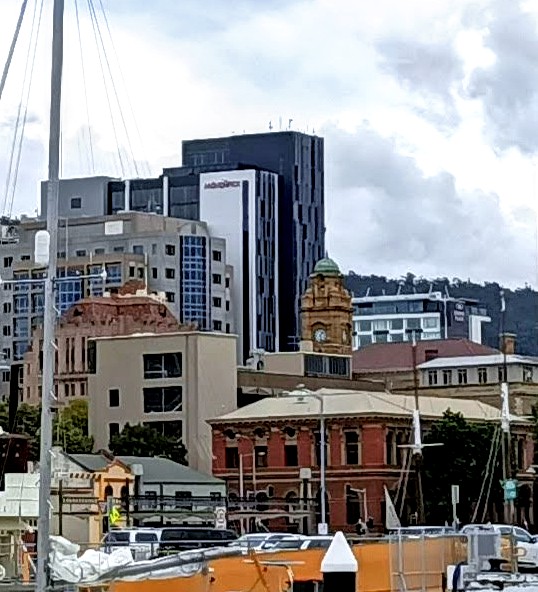
Hobart has a strong coffee culture, and Battery Point and the city streets have small cafes serving breakfast and brunch. Try a scallop pie or a vanilla slice at a local bakery. Many places are busy at the weekend, so go early or book if the venue takes reservations. Hotel breakfast is often an optional extra, so compare rates with and without it. Some hotels, including MACq 01 Hotel and the Henry Jones Art Hotel, have restaurants and bars on site, which is handy after a long day.
Practical tips
Many venues are cashless, so carry a card. Check opening days, because some restaurants and cellar doors close on Monday or Tuesday and in the quieter months. Tell the venue about dietary needs in advance, since small kitchens may need notice. Tipping is not expected but is appreciated for good service. If you want to combine food with sightseeing, pair a market morning with the Mona ferry, or a brewery tour with a mountain visit.
A sample food day
Start with coffee and a pastry in Battery Point, then spend the late morning at the market or on a brewery tour. Have a light lunch of seafood or a bakery pie, and walk it off along the waterfront. In the afternoon, taste whisky or wine, then book a long dinner of local seafood, cheese and cool-climate wine. If you are heading to Mona, make lunch the main meal and keep dinner light.
Eating on a budget
The market, bakeries and dockside fish and chips are the cheapest ways to eat well. Hotels with kitchenettes, such as Salamanca Inn, let you cook with market produce. Look for set lunch menus, which are often better value than dinner, and share plates to sample more. Tap water is safe and cheap, so save your spending for the local drinks and produce you really want to try.