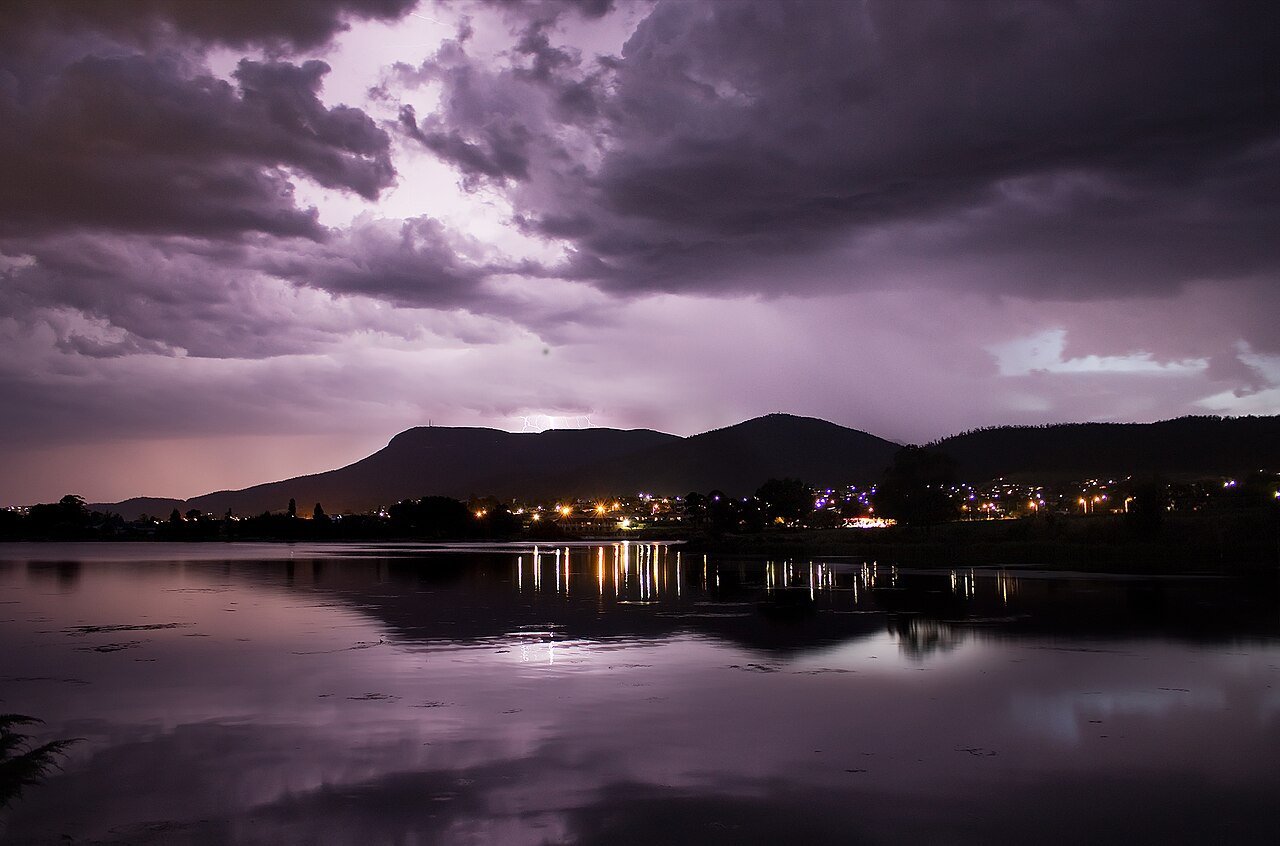
Hobart has a mild maritime climate, and the best time to visit depends on what you want from the trip. Summer is warmest and busiest, autumn is calm and colourful, winter is quiet and moody, and spring brings changeable weather and fresh green. The one rule that applies in every season is that the weather changes fast, so carry layers and a rain jacket every day.
Summer, December to February
This is peak season, with the longest days, the warmest weather and the biggest crowds. The city fills with visitors around the end-of-year holidays, when the Sydney to Hobart yacht race arrives and the waterfront hosts a food festival. Accommodation and day tours book out early, so reserve ahead. Mona moves to a peak ferry timetable at the start of summer, and kunanyi / Mount Wellington is most reliably open for the summit road. The sun is strong, so bring sun protection even on a cool day. Summer is the best time for Freycinet and Wineglass Bay, for swimming and for long outdoor lunches.
Autumn, March to May
Many locals consider autumn the best season. The days are mild, the crowds thin out after the summer holidays and the light is soft. Deciduous trees turn colour on the higher tracks at Mount Field, and the food and wine harvest is at its peak in the Huon and Coal River valleys. Prices for accommodation often ease, and day trips such as Bruny Island and Port Arthur are comfortable and uncrowded. Evenings cool down, so pack warm layers.
Winter, June to August
Winter is cold, wet and atmospheric, with short days and a quiet city. Snow often dusts the top of kunanyi, and Pinnacle Road can close for snow and ice, so check conditions before you set out. This is a good season for indoor attractions such as Mona, the Tasmanian Museum and Art Gallery and the Cascade Brewery tour, and for cosy dinners. Some tours and ferries run reduced timetables, and daylight is short for long day trips, so start early. Winter is also when the southern lights are sometimes visible from southern Tasmania on clear nights, though they cannot be guaranteed. Accommodation tends to be better value in winter.
Spring, September to November
Spring is changeable, with sunny spells, showers and wind in quick succession. Gardens bloom, wildflowers appear in the national parks and the days lengthen. Waterfalls are full after winter rain, which suits Russell Falls, and wildlife is active. Crowds are smaller than in summer, though school holidays bring short busy periods. Snow can still fall on the mountain early in the season, so check the road status.
Planning around events and closures
Salamanca Market runs on Saturdays all year, and Mona opens Thursday to Monday, so build those days into your plan. The Tasmanian Museum and Art Gallery has seasonal opening patterns, with a short break at the turn of the year, so check its hours. Some smaller attractions, tasting rooms and island services shorten their schedules outside summer. Check hours before you go, and book ahead around public holidays and major events.
Packing and practical tips
Bring a warm layer and a waterproof jacket in every season, sturdy shoes for walks and sunscreen year-round, because the ultraviolet level is high even on cool days. Book accommodation early for summer and long weekends. For a first visit, late summer and early autumn give the best balance of warm weather, open attractions and manageable crowds, while winter suits travellers who prefer museums, food and quiet.
Day length and daylight
Summer days are long, with light into the evening, which gives plenty of room for day trips and late walks on the waterfront. Winter days are short, so plan long outings to start early and finish before dark, particularly on country roads where wildlife becomes active at dusk. Spring and autumn sit in between, so you can fit most itineraries into them without rushing.
Whales, wildlife and nature
Wildlife can be seen all year, but seasonal highlights include whale watching in the cooler months along the coast, newborn animals in spring and birdlife in the warmer months. Ask your tour operator what is likely during your dates, because sightings are never guaranteed. Bushwalkers should check track conditions after heavy rain, since rivers can rise and paths turn slippery.