Hua Hin sits on the western shore of the Gulf of Thailand, and its weather is influenced by monsoon patterns and the rain shadow of mountains to the west. It is generally drier than many other Thai coasts, which makes it a good all-year destination, but there are clear seasons that affect comfort, prices and activities. Here is how to choose.
Cool season, November to February
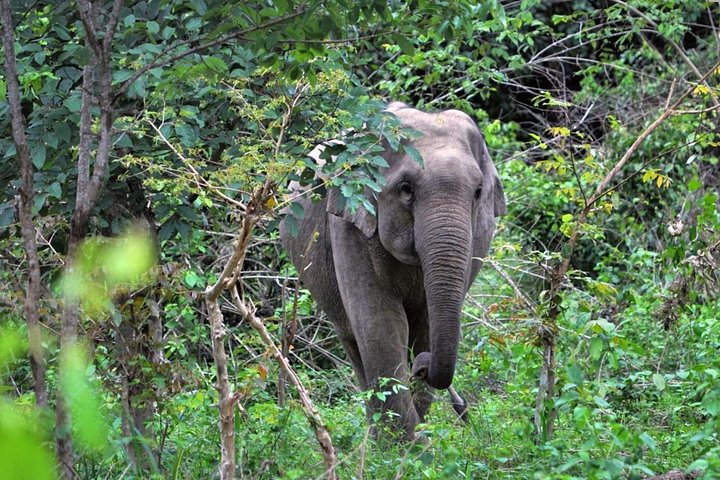
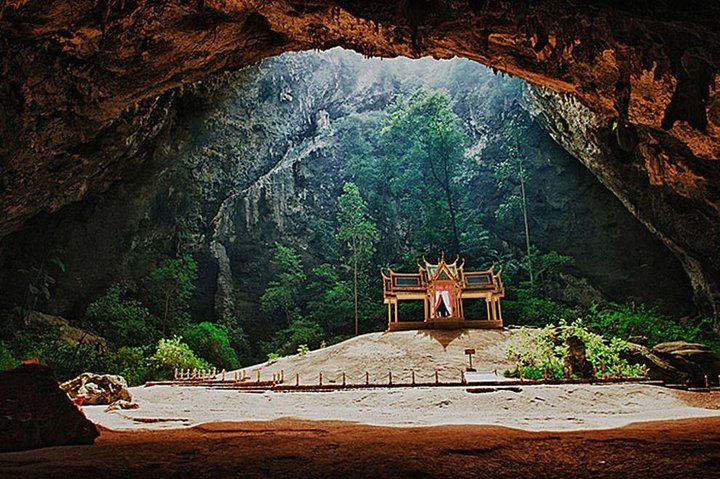
This is the most pleasant time. Days are warm and dry, evenings are comfortable and humidity is lower. It is ideal for hiking to caves, visiting waterfalls and strolling the markets. It is also the peak season, with the highest hotel rates and the busiest sights, so book ahead for Christmas and New Year. Elephant watching at Kui Buri tends to be good in this period.
Hot season, March to May
Temperatures climb, especially in April. The sea is warm and the beach is lovely early and late, but midday is intense. Plan outdoor activities for the morning and relax in the shade or the pool during the afternoon. The waterparks are at their best now, and hotel rates are lower. Songkran in mid-April brings water festivals and crowds.
Rainy season, June to October
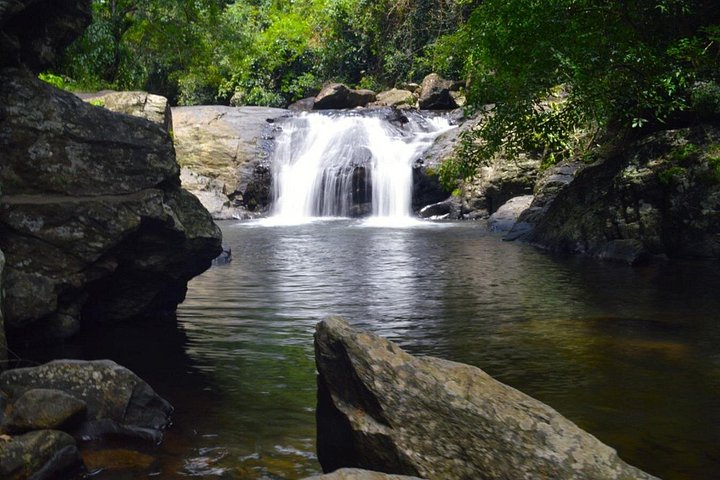
Showers are common, usually in the afternoon or evening, and the countryside turns green. Waterfalls such as Pala-U are at their most powerful, and prices are lowest. Some days are wet all day, so keep flexible plans. The sea can be rougher, and some boat trips may be cancelled. Mornings are often clear.
Weekends and holidays
Hua Hin is a favourite weekend break for Bangkok residents, so Friday to Sunday is busier, with higher prices and fuller restaurants. Thai public holidays amplify this. Midweek stays are calmer and often cheaper. The Cicada Market and the night market are most lively at weekends.
Day trips by season
The cave hike at Sam Roi Yot is easiest in the cool months. Waterfalls are best in and just after the rains. Floating markets are fun year-round, though weekend evenings are busiest. Boat trips on rivers and mangroves are comfortable in the cool season.
Beach conditions
Hua Hin's main beach is long and sandy, and the swimming is generally calm in the dry months. The water is not as clear as at island destinations, so many visitors treat the beach as a place for walking, horse riding and relaxing. Check conditions and flags, and swim within your limits.
What to pack
Light cotton clothes, a hat, sunscreen, sunglasses, insect repellent and a light rain jacket in the wet season. A cover-up for temples and a pair of shoes with grip for trails are useful all year. A small dry bag protects phones and cameras.
Prices and booking
Expect the highest rates from December to February and the lowest from June to October. Book early for the peak and for long weekends. Look at cancellation conditions, particularly in the wet season, when plans may change.
Festivals
Songkran in April, Loy Krathong in November and the Chinese New Year period bring special events. Some places close or change hours during national holidays, so check ahead.
Our pick
If you can choose, go in the early cool season (November to early December) or in February, when the weather is pleasant and the crowds are manageable. If you want value and fewer people, try the shoulder months of March or the early rains, and plan around the weather.
Sun and safety
The sun in Thailand is strong all year, including in the rainy months, so use sunscreen, wear a hat and take regular breaks in the shade. Drink water often, especially on hikes. In the rains, be careful on wet rocks at waterfalls and caves, and heed local warnings about currents and sea conditions.
Planning around weather
Check the forecast a few days ahead and keep one flexible day for each trip. If a major excursion is rained out, many operators will reschedule, so ask about their policy. Indoor options such as cooking classes, spas, malls and cafes make rainy afternoons easy, and the markets stay lively after a shower.
Shoulder months
March and early November sit between seasons and can offer a good compromise of weather and price. The sea is warm, the crowds are thinner and the best hotels often discount rooms. If you have flexible dates, these weeks are worth considering for a first visit.