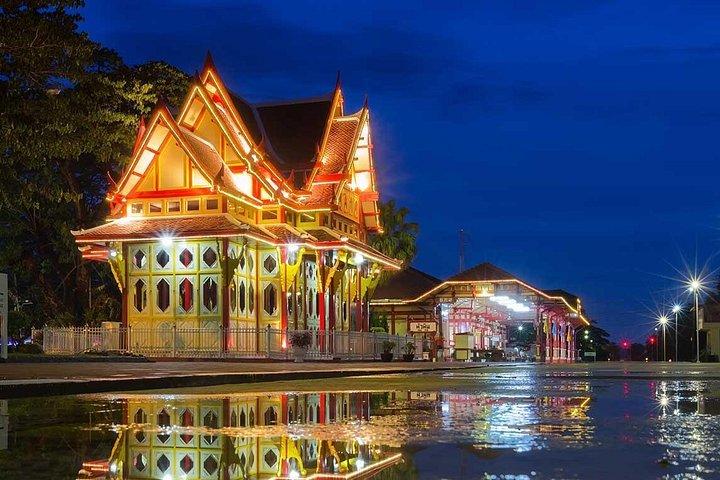
Hua Hin is a seaside town about three hours south of Bangkok that has been a royal retreat for a century. It is easy, friendly and relaxed, and three days is enough to taste its main pleasures: the beach, the markets, the food and one or two excursions into the countryside. The key is to pair one big day out with two gentler days, so you are never rushing.
Before you arrive: choose your anchor day
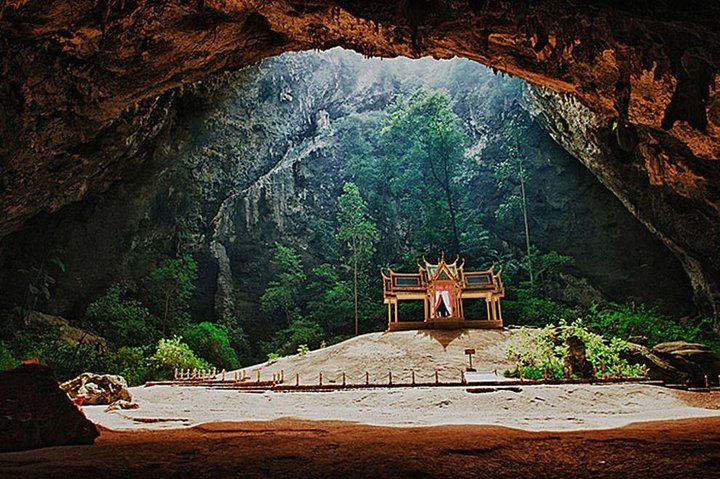
The headline excursion is the day trip to Sam Roi Yot National Park and Phraya Nakhon Cave, a steep hike to a sunlit pavilion inside a cavern. If you prefer wildlife, the afternoon wild elephant tour at Kui Buri is a good alternative, and history lovers might choose Phetchaburi or the River Kwai. Book that day first, and build the rest around it.
Day one: markets and food
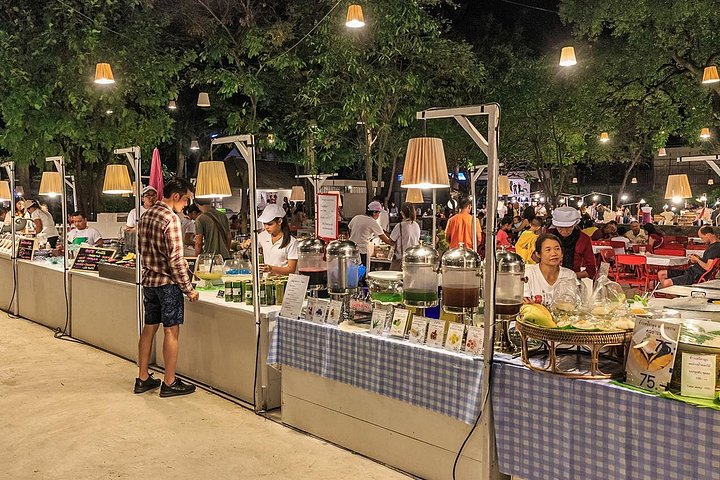
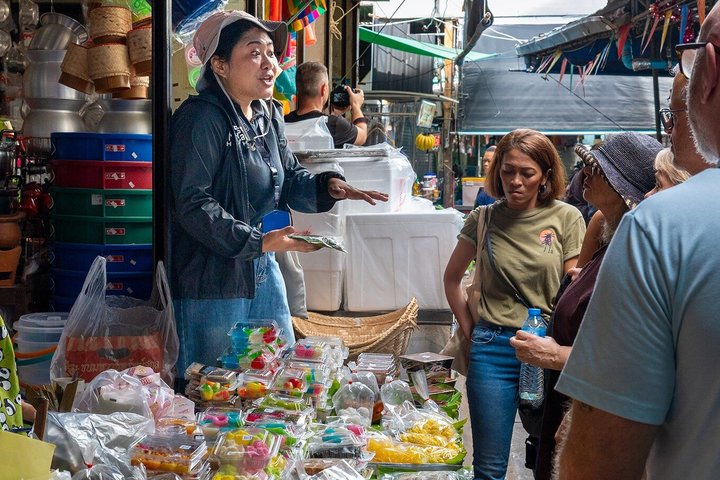
Start with an early walk through the morning market, tasting breakfast snacks and learning the ingredients. Spend the middle of the day by the sea, with a long lunch and a rest in the shade. In the late afternoon, join an evening food tour or head for the night market, where grilled seafood, mango sticky rice and handicraft stalls fill the lanes. This day gives you a map of the town and a list of dishes to revisit.
Day two: the big excursion
Use the second day for your chosen outing. For the cave day trip, leave early, because the hike is easier in the cool morning and the light in the cave is best near midday. You will drive south for roughly an hour and a half, walk up to the cave, see the pavilion and finish with a seafood lunch and perhaps a beach stop. Return to town tired and happy, and keep the evening simple with a massage and an early dinner.
Day three: culture and beach
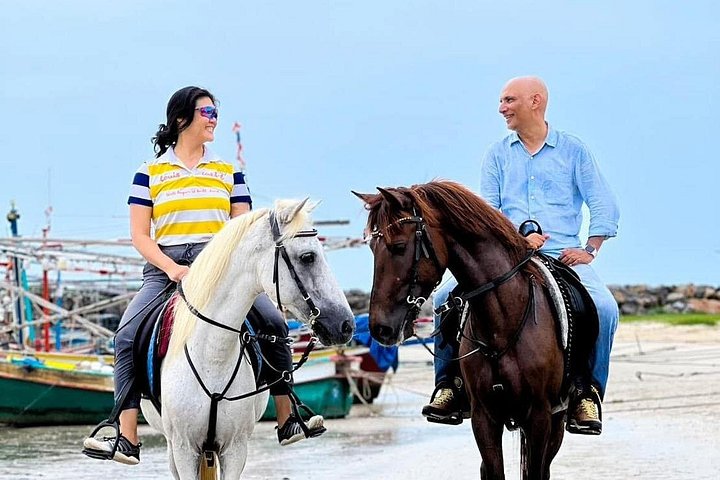
Begin at the teak palace of Maruekhathaiyawan, a graceful beach residence on stilts, and then spend the rest of the day on the sand. A horseback ride on the beach early in the morning is one of the iconic Hua Hin activities, and it is gentle enough for beginners. If it is a weekend, finish at the Cicada Market for craft stalls and live music, or return to the night market for a last meal.
Getting around
Hua Hin is compact, but the sights are spread out. Taxis, tuk-tuks and ride apps are easy to find, and many travellers rent a scooter, though traffic can be busy and insurance and a licence matter. For day trips, a small-group tour with hotel pickup saves effort. Agree prices for tuk-tuks before you set off, and carry small notes for markets.
What to wear
Light, breathable clothing is best, with a hat and sunscreen. For temples and palaces, cover shoulders and knees. Closed shoes with grip are useful on cave and waterfall trails, and flip-flops are fine for the beach. A light layer helps in air-conditioned restaurants and on evening boat rides.
Food and drink
Eat widely, from street stalls to seafood restaurants. Drink bottled or filtered water, and be sensible with ice from unknown sources, though most restaurants use safe ice. If you like spicy food, you will be well rewarded, and if you do not, learn the phrase for not spicy so that dishes can be adjusted.
Weather and timing
The coolest and driest months, from about November to February, are the most comfortable for walking and day trips. March to May is hot, and the rainy season brings showers and greener scenery. Weekends are busier with visitors from Bangkok, so midweek is calmer for popular sights.
Where to stay
For a short trip, choose between the town centre, which suits food and market lovers, and the beach resorts, which suit relaxation. If you have time, split the stay. See the hotel guide for neighbourhoods and ideas.
Extending your trip
If you have a fourth day, add a waterfall trip to Pala-U, a river boat in Pranburi, a cooking class or a waterpark day. Hua Hin works well as a base for slow exploration, and each extra day deepens the experience without much effort.
A simple rule of thumb
Do one big thing a day at most. Hua Hin rewards a leisurely pace, and the best moments are often unplanned: a seafood dinner on the water, a long sunset walk or a chat with a market vendor. Leave space in your schedule for them.