Hua Hin is a food town. Thai families have come here for generations, and the result is a food scene built on fresh seafood, market stalls and family restaurants that have earned loyalty over decades. You can eat superbly at every budget, and the best meals are often the simplest. This guide covers where to eat, what to order and how to avoid common mistakes.
The night market
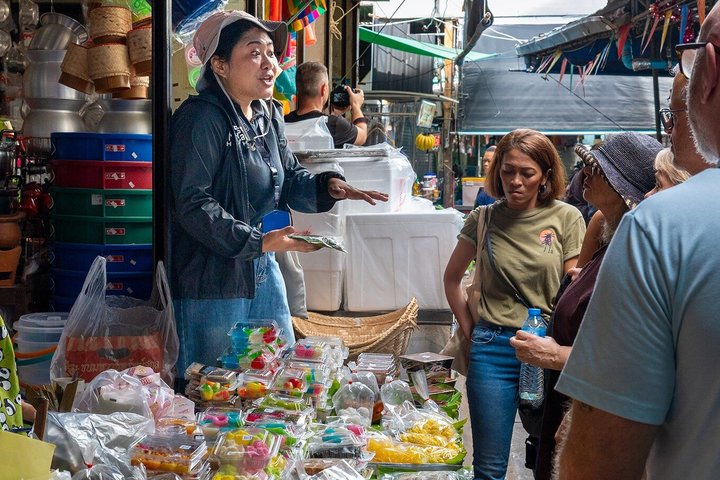
The evening market near the centre is the main event. Stalls sell grilled prawns, squid, crab, noodles, spring rolls, fruit shakes and sweets, and there is a lot of souvenir shopping alongside. Walk the length of it before you decide, look for busy stalls and eat standing up or at shared tables. Prices are generally fair, and food prices are fixed. A guided evening tour can help you find the best dishes.
The morning market
Locals shop here for fruit, herbs, fish and breakfast. Try rice porridge, grilled pork skewers, steamed buns, fried dough and fresh coconut. The market is cooler and calmer than the night market, and the vendors are friendly. A street food walk in the morning is an enjoyable way to learn the ingredients before a cooking class.
Seafood
Hua Hin's seafood is famous. Restaurants over the water and along the pier serve grilled fish, crab curry, steamed shrimp, squid and salads. Choose from the display, ask for the price by weight and agree before cooking. Fresh, simply grilled fish with a spicy dipping sauce is hard to beat. Go early to see the catch and to enjoy the sunset.
Thai classics
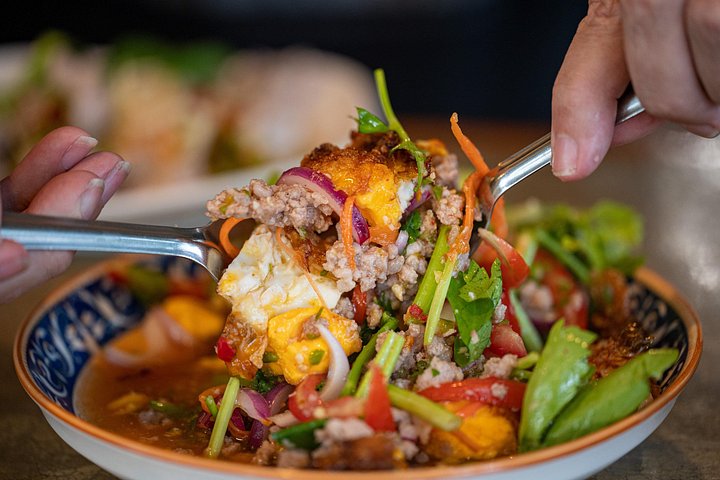
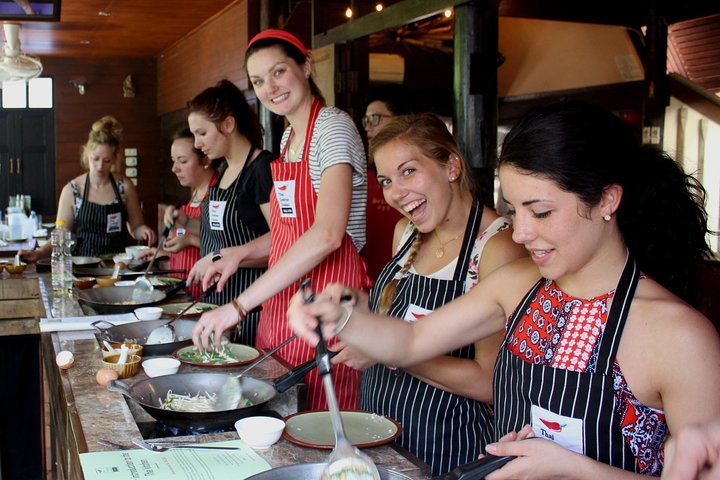
Try pad thai, green curry, tom yum, som tam, massaman and mango sticky rice. Southern dishes can be spicy, and the heat levels vary, so ask for less spicy if you prefer. A cooking class is a good way to learn how the flavours are built, and you can bring the techniques home.
Street food etiquette
Use a spoon in your right hand and a fork as a pusher, and share dishes. Chopsticks are for noodle soups. Do not stick them upright in rice. Tipping is not required but small change is appreciated in restaurants. Carry small notes, as many stalls cannot change large ones.
Dietary needs
Fish sauce, shrimp paste and oyster sauce appear in many dishes, so vegetarians should ask about stock and seasoning. Peanuts are common. Learn simple phrases for allergies, or carry a card in Thai. Tour guides and cooking schools can adapt menus with notice.
Food safety
Choose busy stalls with fast turnover, eat food cooked in front of you and be cautious with raw items if your stomach is sensitive. Drink bottled or filtered water. Ice in restaurants is usually safe. A little caution goes a long way, and most travellers eat widely without trouble.
Coffee, tea and drinks
Thai iced tea, fresh coconut and fruit shakes are everywhere. Local coffee shops serve strong brews, and craft cafes have grown in popularity. Beer is widely sold, and cocktail bars cluster in the centre. Thai wine from the nearby vineyards is a surprising pleasure, best enjoyed in the late afternoon with a view.
Dessert
Mango sticky rice, coconut ice cream, roti with banana and palm-sugar sweets are hard to resist. Phetchaburi, an hour north, is famed for its palm-sugar desserts, and a day trip there includes tastings.
A simple eating plan
Start the day at the morning market, take a long lunch of seafood, snack in the afternoon and finish at the night market. Add a cooking class or a food tour to learn more. Leave room, because the best bites are often unplanned.
Where to go beyond the markets
Ask your hotel for a family-run seafood place away from the main tourist strip, and look for restaurants full of Thai diners, which is usually a good sign. Many serve a short menu that changes with the catch. Lunch menus are often cheaper than dinner, and lunch spots near the pier are pleasant in the shade.
Cooking at home
If you enjoy a dish, buy curry paste, dried chillies or palm sugar to take home, and keep notes from your class. A cooking course or a food walk gives you names and techniques that make recreating the flavours much easier. Check customs rules before packing fresh ingredients, and carry spices in sealed bags to protect the rest of your luggage.
Etiquette at the table
Order dishes to share, and eat rice with each bite of the main dishes rather than piling everything on one plate. Do not tip heavily, and do not worry about leaving a little on the plate. Smiles and polite phrases such as khob khun open doors in kitchens and markets alike.