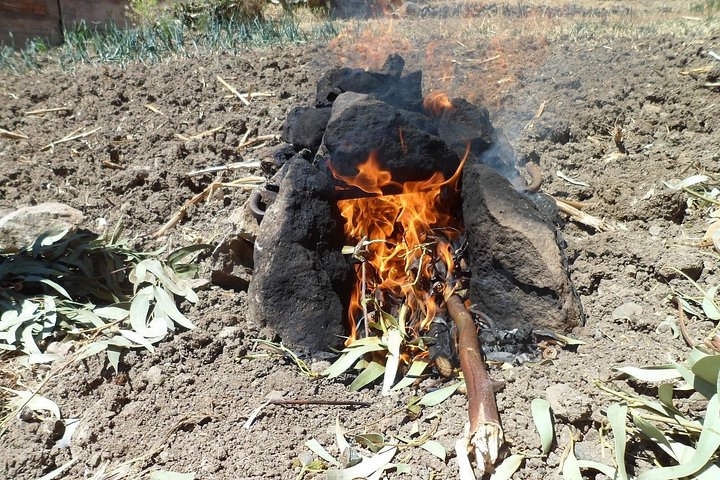
Pachamanca is the traditional way of cooking in the Andes, and in the Huaraz area it is a ritual as much as a meal. Meats such as pork, chicken, lamb or guinea pig are marinated with herbs and spices, wrapped in leaves, layered with potatoes, sweet potatoes, corn and broad beans, and buried in a pit with hot stones. The earth is covered and the food steams for an hour or more, then is unearthed with ceremony. The name comes from Quechua: pacha means earth and manka means pot. A food tour in Huaraz often includes the cooking demonstration, a chance to help prepare the dish and a shared meal in a rustic restaurant or family courtyard. Many tours also introduce other local specialities, including picante de cuy, a spicy guinea pig stew served with potatoes, and sweets made with local fruit and milk. For visitors, the experience is a window into highland culture, where food connects people to the land and to community celebrations. It is also a welcome change from trail snacks after days of hiking.
A typical session starts with a short introduction to the ingredients: native potatoes in many colours, corn in different forms, aromatic herbs such as huacatay and chincho, and chilli peppers. Guides or cooks explain how the hot stones are heated in a fire, then placed in the pit. You may help layer the ingredients and cover them with earth.
While the food cooks, there is often time to talk, taste drinks such as chicha or herbal tea and learn about local festivals. Once uncovered, the meal is served on large platters, and you eat with your hands in a lively, communal setting.
The flavours are smoky, earthy and subtle, quite different from other Peruvian dishes.Dietary needs deserve attention. Pachamanca is meat-heavy, and picante de cuy contains guinea pig, which some travellers will not want to try. Vegetarians should ask in advance whether the cook can prepare a plant-based version with vegetables, cheese and corn. Allergies, including to peanuts or dairy, should be discussed before the event. Hygiene is generally good in organised tours, but travellers with sensitive stomachs may prefer to stick to cooked dishes and bottled drinks.
Altitude can affect appetite, so eat slowly and drink water. The experience pairs well with other days in Huaraz. After a morning hike, an afternoon pachamanca makes a restorative meal. If you are interested in cooking, ask whether the host offers a longer class or a visit to a local market to buy ingredients.
For a broader taste of the city, combine the tour with a stroll through the central market, where stalls sell fruit, cheese, breads and local snacks. Respect the cultural significance of the ritual, which often includes an offering to Pachamama, or Mother Earth, and ask before taking photographs.
Booking ahead is wise because the preparation takes time and guides need to organise ingredients. The reward is a meal that feels special, a story to tell and a deeper sense of the place beyond its famous mountains. Arrive hungry, sit with the other guests and ask the cooks about their family recipes, because the conversation is half of the experience and often the part people remember longest.
What to expect
The experience
A guided food experience in Huaraz where pachamanca is cooked in an earth oven and served with local sides, often alongside other regional dishes.
Best time
Year-round. Evenings and weekends are lively; plan ahead because preparation takes time.
How long
Three to four hours.
Tips
Tell the host about dietary needs and allergies. Eat slowly at altitude.
Quick picks
- Best for
- Food lovers who want to understand highland cooking.
- Families
- Children often enjoy the ritual and the communal meal, though the dishes can be unfamiliar.
- Couples
- A shared meal in a courtyard with fire and stories is a romantic change of pace.
- Pair with
- Huaraz market or the city walk.
- Time needed
- An afternoon or evening.
Good questions
What is pachamanca?+
A traditional Andean dish cooked in an earth oven with hot stones, usually with meat, potatoes, corn and herbs.
Is it suitable for vegetarians?+
Possibly. Ask the host in advance whether a vegetarian version can be prepared.
Do I need to try guinea pig?+
No. It is a local speciality, but you can choose other dishes.
How long does it take?+
Cooking takes an hour or more, so the experience lasts around three to four hours.
Can I take part in the cooking?+
Most tours invite guests to help prepare and bury the food.